About 250 people are missing after a boat carrying Rohingya refugees and Bangladeshi nationals capsized in the Andaman Sea, according to the UN's refugee and migration agencies. The trawler, carrying more than 250 men, women and children, reportedly sank due to harsh weather and overcrowding. It had departed from Teknaf in southern Bangladesh and was bound for Malaysia.
The UN High Commissioner for Refugees (UNHCR) said in a statement on Tuesday that the trawler sank due to heavy winds, rough seas and overcrowding. The Bangladesh Coast Guard rescued nine people, including one woman, on 9 April. The survivors were spotted floating in the sea using drums and logs near the Andaman Islands.
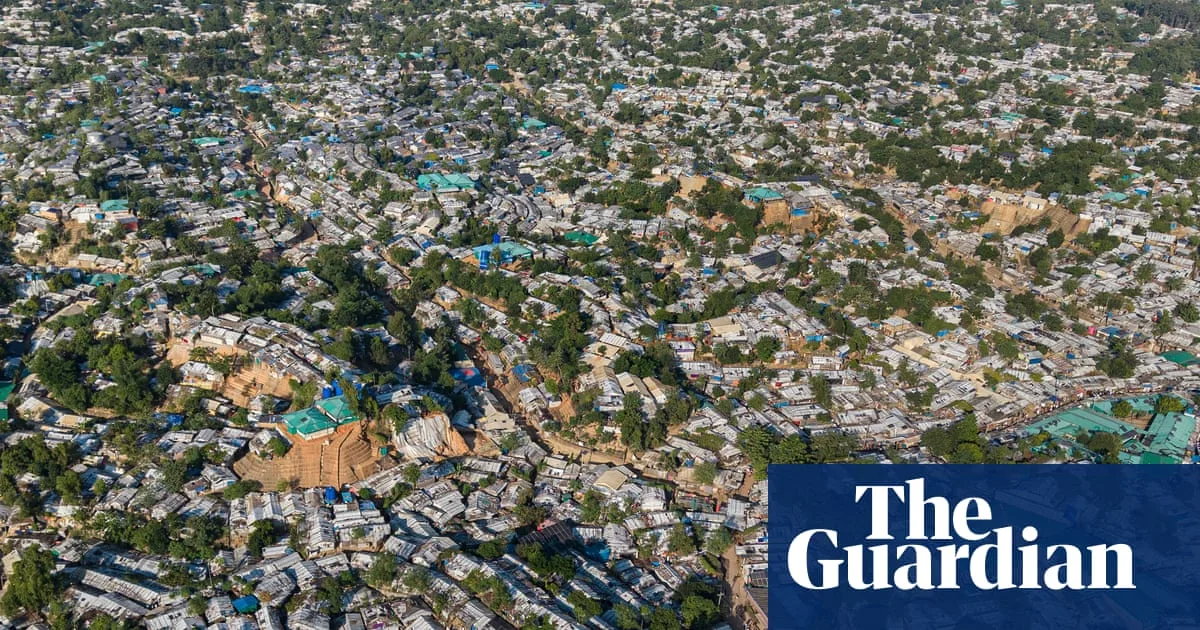
Thousands of Rohingya, Myanmar's persecuted Muslim minority, risk their lives every year fleeing repression and civil war. The people on board were likely leaving camps in Cox's Bazar, Bangladesh, where more than a million refugees live in squalid conditions. Rakhine state has seen fierce fighting between the military and the Arakan Army.
Rafiqul Islam, a survivor, told AFP he was lured onto the boat by traffickers promising a job in Malaysia. He said some died in the holding area and he was burned by spilled oil. The vessel travelled for four days before capsizing, and survivors floated for nearly 36 hours before rescue.
The UNHCR and International Organization for Migration called the incident a tragedy highlighting the human cost of protracted displacement. They urged increased international funding for Rohingya refugees in Bangladesh and support for host communities.