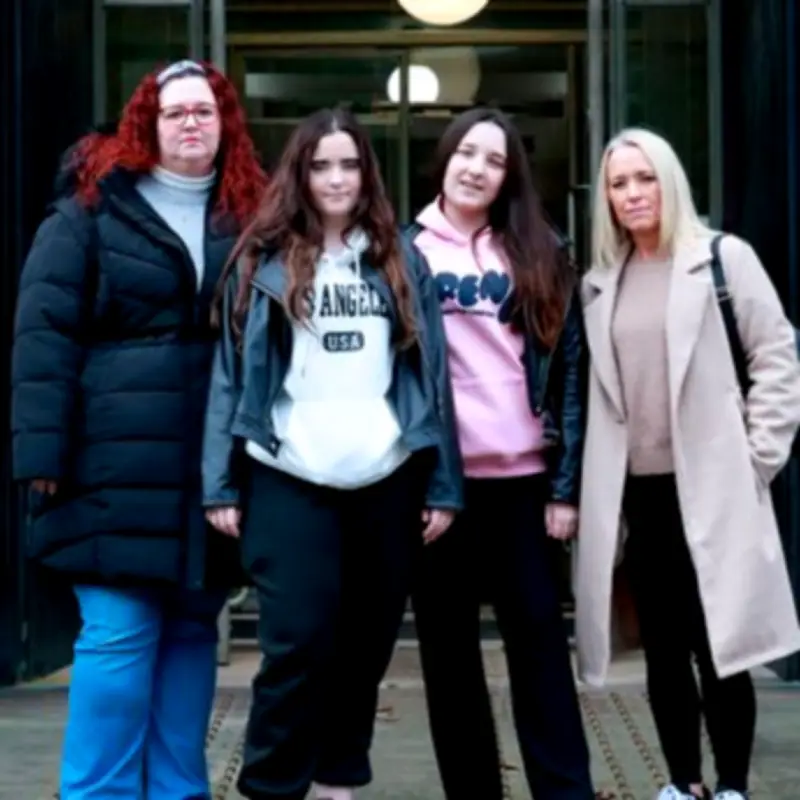
Mothers of two girls whose lives were shattered after brutal attacks were shared online have welcomed Sir Keir Starmer's plan to ban under-16s from social media but warned tech giants must do far more to protect children from harm.
Campaigners Back Ban but Demand More Action
Vicky Donald and Angela Jarvis have previously told of the devastating consequences of violence going viral. Both watched helplessly as footage of horrific attacks on their daughters spread across social media, prolonging their trauma and turning their suffering into online content.
On Monday Prime Minister Sir Keir Starmer announced plans for an Australian-style ban on under-16s accessing platforms including TikTok, Instagram, Facebook, Snapchat, X and YouTube. The mums say it is a major step forward but only the beginning.
The ban comes amid the Daily Record's Our Kids ... Our Future campaign, launched in 2023 after a spate of violent attacks on young people in Scotland were filmed and uploaded to internet platforms. At the time, we told how the trend of graphic online videos was being fuelled by a desire for clicks, likes and popularity.
Mothers Share Their Stories
Vicky, 39, whose daughter Kaylynn was just 12 when she was filmed being assaulted on a school bus in Ladybank, Fife, four years ago, said the online sharing of the attack was every bit as traumatic as the violence itself.
She said: "The videos of her attack being spread was just as bad as the attack itself. Every time she would go on her phone, she was getting snapchats of it. Within 30 minutes of her getting off the school bus, I had like eight different angles of video of it."
"While I think this [ban] is a great start, kids will inevitably get around it. It won't stop bullying or children being attacked but hopefully in the long term it will become the norm not to be on social media."
The mum, who has campaigned for tougher action against the sharing of violent content involving children, believes parents need greater control over what youngsters can access online.
She said: "I think safety phones need to be introduced for kids across the country instead. They link to the parents phone and they can see everything that's being accessed."
"Parents can control them and block social media and harmful content. It makes families more accountable because it's so hard to monitor what your kid is doing on their devices. They always find a way around it."
"Keir Starmer's announcement is welcomed and it's a great first step but it is that, a first step. Tech companies need to do more, also. It will be interesting to see how this is dealt with and policed because right now it seems impossible."
Angela Jarvis, 47, whose daughter Abbie was filmed in a horror attack at a skatepark in Drumchapel, Glasgow, in 2022 also backed efforts to make the internet safer for children. The video of Abbie's assault repeatedly resurfaced online after the attack, with the teenager later diagnosed with PTSD.
However she warned social media can also be a lifeline for vulnerable young people. Angela said: "I have two different views on the ban based on Abbie's assault. Yes, I agree that it's a good thing to protect kids from online bullying and predators."
"However, if I had banned Abbie from social media after the attack then she would have been totally shut off from the outside world. That was her escape as well as where she was being targeted."
"Every parent might think they know what their child is up to online, but there is no way of monitoring it. It's hard to know what the best way is going forward but I do think social media is not the place for young ones."
Like Vicky, she believes technology firms must shoulder far more responsibility. Angela added: "The best way forward would be for tech companies to make their sites safer through ID checks or parent ID checks for younger ones. This would hold everyone accountable."
"Young people have grown up with technology and social media, this is their way of life now. If you cut them out then it will cut off people who have developed friendships with people from across the world, like Abbie. This has helped her cope with everything."
Government and Charity Reactions
This comes after Sir Keir unveiled plans to raise the minimum age for accessing major social media platforms to 16, arguing it was time to "call time on a system that's failing our kids".
Children's charity Children First welcomed the proposed restrictions but also warned a ban alone will not solve the crisis facing young people online.
Chief executive Mary Glasgow said the move was "a welcome indication of the desire to protect children in the face of a national childhood emergency".
However, she warned: "Given children are likely to find ways around a ban, they will continue to be harmed unless tech companies are forced to implement changes to ensure their products are safe from the start."
She added: "Both the UK and Scottish governments must hold tech companies to account and drive a comprehensive public health response to digital harm."
Scotland's Minister for Children and Young People, Siobhian Brown, also backed the proposals but demanded tougher action against social media firms.
She said: "We have consistently called on the UK Government to go further and act faster on online safety and I welcome the move to restrict social media services to under-16s."
But she added that "more clarity is needed" and warned there must be "a clear plan for actually holding social media companies accountable for their failures to protect children".
Meanwhile, Scotland's Children and Young People's Commissioner Nicola Killean cautioned that a blanket ban could have unintended consequences.
She warned there is a "real risk" youngsters could be "driven to darker places on the internet" and stressed that current evidence does not show banning children from social media will necessarily make them safer.
Scottish Greens Shadow Cabinet Secretary for Education, Laura Moodie MSP added: "Protecting children should be paramount, but you can't child-lock the internet and pretend the job is done."
"The focus should be on fixing social media, not just fencing children out of it. We must do more to hold platforms accountable, regulate harmful content and make the online-world safer for everyone."