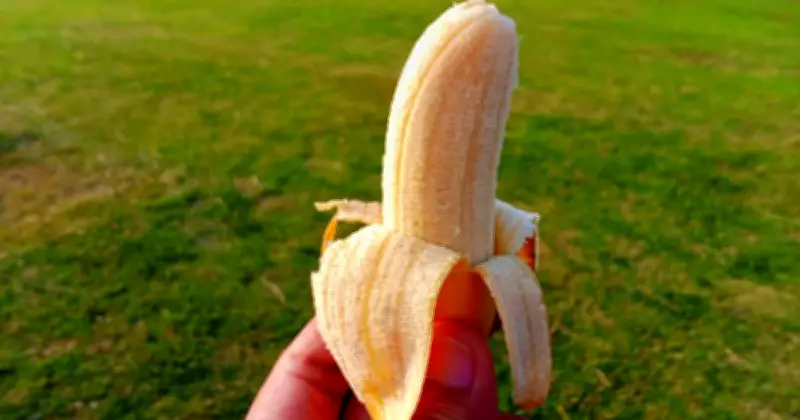
Gardeners are being encouraged to repurpose banana peels as a natural soil enhancer this June, rather than discarding them in the rubbish. The warm weather and long days of June create ideal conditions for plant growth, making it the perfect time to give gardens an extra boost with kitchen scraps.
Why Banana Peels Benefit Gardens
Banana peels contain essential nutrients that plants need, including potassium, calcium, magnesium, and phosphorus. Potassium supports overall plant health and disease resistance, calcium aids root development, and phosphorus encourages flowering and fruit production. These minerals are particularly beneficial in June when many vegetables are flowering and setting fruit.
Proper Use of Banana Peels
Fresh banana peels do not release nutrients immediately; they must decompose first. While potassium may leach out, the nutrient concentration is lower than commercial fertilisers, so peels should not be the sole nutrient source. The most effective method is traditional composting or vermicomposting. Chopping peels into small pieces and adding them to a compost pile allows them to break down efficiently, enriching soil structure over time.
Andy Vernon, senior horticultural advisor at the Royal Horticultural Society, recommends adding banana peel to compost. He advises chopping or tearing it into small pieces to speed decomposition, or burying pieces directly in the soil under mulch or in planting holes. As they break down, peels provide potassium, magnesium, calcium, and phosphorus, promoting flowering and fruit development.
Risks and Best Practices
Burying whole peels near the surface or scattering them on the soil can attract fruit flies, gnats, and rodents. To avoid pests, bury peels deeply or cover them with mulch. Soaking peels in water for a few days is less effective and may breed bacteria or attract pests. Ultimately, banana peels are a gentle, slow-release addition that supports soil health but should not replace balanced fertilisation.