A dog trainer has advised owners to avoid an all-too-common error when their pet starts barking at the door. Even though it's natural for dogs to bark at visitors, there's a simple approach that can help keep this behaviour under control and reduce unnecessary noise.
Why shouting doesn't work
Adam Spivey, Director and Head Trainer at Southend Dog Training, says many owners react with frustration or anger, often shouting at their dogs to make them stop. However, this common reaction could unknowingly reinforce the bad habit. He explains: 'All the dog sees is "I'm frantic, you're frantic, I'm barking, you're shouting". So your energy is matching, and it's making the situation worse.'
It can be frustrating when a dog won't stop barking, but staying calm is essential. He encourages owners to focus on a single simple action, explaining that this can make a real difference.
The doorbell training method
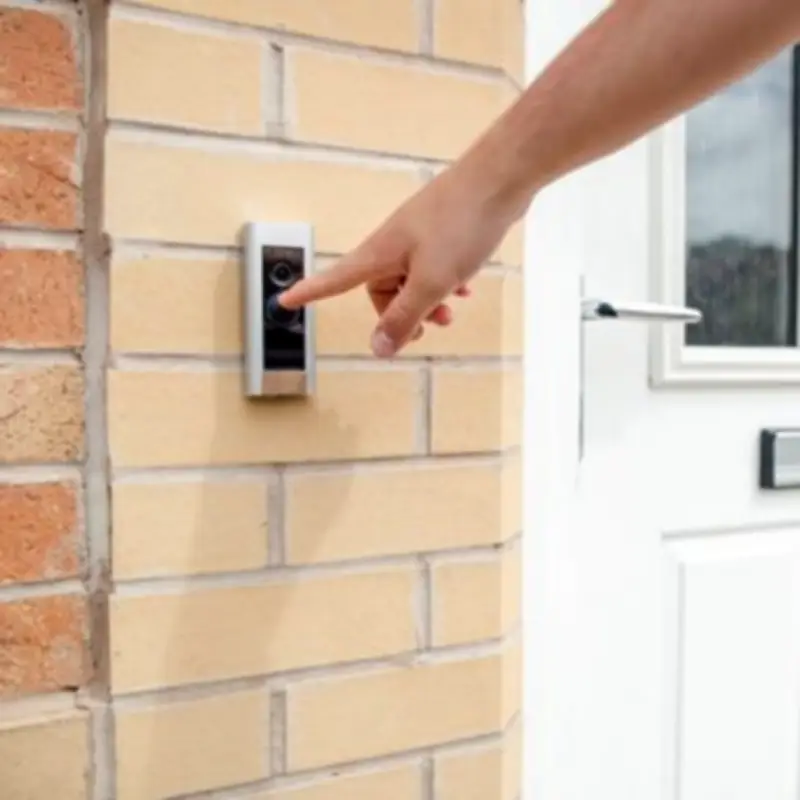
He recommends ringing 'the doorbell throughout the day at random times, and you're going to send your dog to his bed when it goes', and then reward them with treats. You should continue this routine until your dog consistently goes to their bed and remains quiet. Once the dog is calm and settled, they can be allowed to leave the bed.
The expert, who set up his company in 2012, further explained: 'For dogs exhibiting excessive barking and jumping when the doorbell rings, or someone is at the door, a structured approach is necessary. This involves desensitisation and counter-conditioning. You can start by practising with someone knocking lightly and rewarding your dog for staying calm. Gradually increase the intensity and duration of the stimulus, always ensuring your dog remains below their threshold of reactivity.'
Alternative behaviours
If you teach your dog an alternative behaviour to the 'frantic excitement', such as going to their mat, sitting, or retrieving a toy, then you may notice a big difference. The expert suggests practising these commands regularly when there's no actual door activity, then gradually introduce them to real-life scenarios.
He notes that this type of behaviour may be driven by excitement, territorial instincts, fear, or habits the dog has picked up over time. The important part is to channel that energy elsewhere and reinforce a calmer, more suitable response.
He stresses that consistency is key and that when everyone in the home follows the same method, patience and persistence can help reduce door barking and encourage calmer behaviour. He adds that if the behaviour is very difficult or not improving, it's best to get help from a professional.