Forget restrictive New Year's resolutions. The secret to a healthier, happier, and longer life might lie not in denial, but in adding a daily dose of creativity to your routine. As 'Quitter's Day' – the second Friday in January – passes, a compelling body of evidence suggests that making cultural engagement a habit is as vital as eating vegetables or exercising.
The Scientific Case for an Artistic Life
Groundbreaking research compiled by Professor Daisy Fancourt in her book Art Cure presents an overwhelming case for the health benefits of the arts. A key study found that people who engaged regularly with cultural activities had a 31% lower risk of dying during the follow-up period, even after accounting for socioeconomic and health factors.
Further studies indicate that visiting museums or attending live performances can make people physiologically younger. Remarkably, taking part in a monthly cultural activity almost halves the chances of developing depression. Professor Fancourt, a psychobiology and epidemiology expert at University College London, argues that if a pharmaceutical drug offered such benefits, governments would invest billions.

Taking Creativity Into Your Own Hands
In response to this evidence and widespread cuts to cultural funding, a new wave of authors is urging the public to proactively weave creativity into daily life. Julia Cameron, author of the seminal The Artist's Way, has released a daily companion guide. Similarly, Katy Hessel's How to Live An Artful Life and compendiums like Ben Luke's What is Art For? offer practical prompts and insights from artists including Anish Kapoor and Tracey Emin.
These guides represent a shift from standard self-help, encouraging connection through external reflection and immersion in art, rather than inward-focused optimisation.
Navigating the Complexities of Cultural Prescription
This cultural evangelism is not without its complications. Questions arise about whether all art forms are equally beneficial and if art's primary purpose is to induce happiness. For individuals facing illness, depression, or poverty, being told to take up ballet may seem like hectoring.
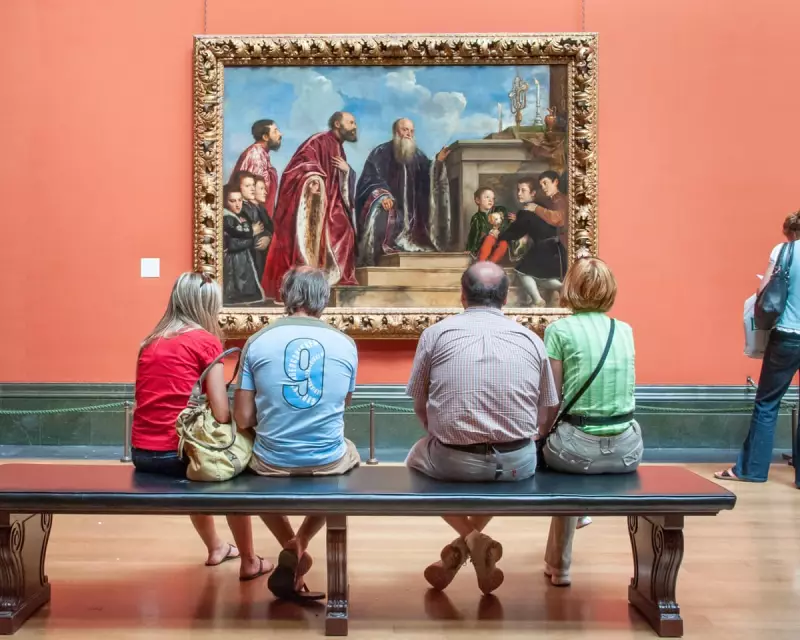
Furthermore, while many UK institutions like London's National Gallery are free, they can feel intimidating. Art history itself is filled with figures who were far from models of healthy living, challenging any simplistic notion of innate creative ennoblement.
Despite these nuances, the core message is clear: active participation in the arts significantly boosts wellbeing. In an age of AI, art remains a profoundly human endeavour. Learning a new skill fosters control, joining a book group builds community, and truly observing a painting, like Titian's The Vendramin Family, forces a valuable slowing down.
As Charles Darwin reflected, he would have made a rule to read poetry and listen to music weekly. In 2024, making a similar rule for cultural engagement might be one of the most beneficial resolutions we can keep.