More than a hundred independent schools across the United Kingdom have been forced to close their doors following the government's controversial decision to impose VAT on private school fees. The policy, which came into effect at the start of last year, has placed what sector leaders describe as an unsustainable financial burden on many institutions.
The Scale of the Closures
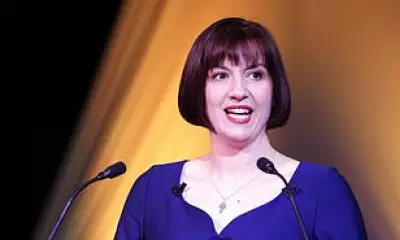
Julie Robinson, chief executive of the Independent Schools Council (ISC), has revealed that 105 schools have ceased operations since the 20 per cent levy was introduced on January 1 last year. Speaking to The Mail on Sunday, she warned that the full impact is still unfolding. "We are likely to see further closures over the coming months and years as the effects of VAT and other tax measures mount up," Ms Robinson stated.
She characterised the government's move as "a bridge too far" for a significant number of establishments. Of the 105 closures, 15 were the result of mergers with other schools, a tactic some used to try and survive the new financial landscape.

Regional Impact and Notable Casualties
The closures have not been confined to one area, though nearly one in five—19 schools—were located in London and the surrounding regions. Institutions in the North and the Midlands have also been shuttered. Several well-known schools have publicly blamed the VAT policy for their demise.
Park Hill School in Kingston and Falcons School in Putney both cited the new tax as the direct reason they could no longer remain open. Other casualties from last year include The Old Palace of John Whitgift School in Croydon, Ursuline Prep in Ilford, and London Acorn in Morden.
The trend has continued into the current academic year. The Cedars School in Croydon, an all-boys senior school, closed in September, while Oak Heights, a co-educational senior school in Hounslow, west London, shut down in October. Beyond the capital, Queen Margaret’s School for Girls in York closed last summer, with governors pointing to "mounting financial pressures." Carrdus School in Banbury and Northamptonshire's Maidwell Hall, alma mater of Earl Spencer, have also recently closed.
Government Response and the Funding Debate
The government has firmly defended its policy, dismissing warnings of a crisis in the education sector. A spokesperson stated on Sunday: "This manufactured crisis of pupils leaving the private sector and putting pressure on the state system has failed to materialise."
Officials pointed to data showing pupil numbers remain within historical patterns and that primary school placement rates are high. The core justification for the policy remains the estimated £1.8 billion a year it is expected to raise by 2029/30. The government asserts this money is vital to fund public services and support the 94 per cent of children who attend state schools, aiming to "ensure excellence everywhere for every child."
However, the Independent Schools Council and affected school communities argue that the cost is being borne by the loss of educational choice, diversity, and local jobs. As the VAT policy continues, the debate over its long-term effects on the UK's educational landscape is set to intensify.