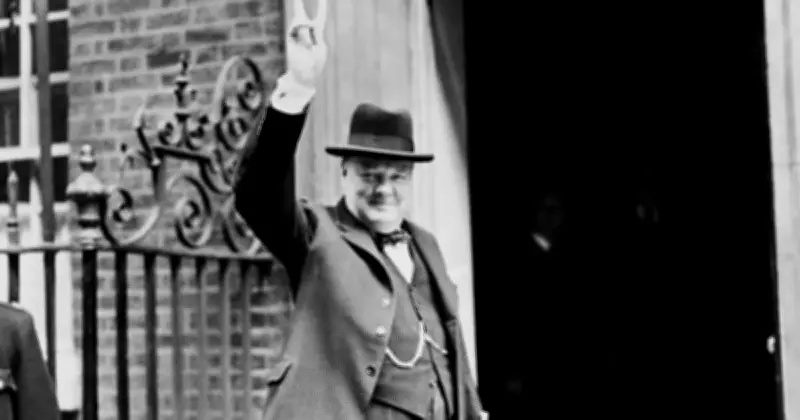
Wartime hero Sir Winston Churchill has been pilloried in an exhibition at the National Portrait Gallery, with a video installation accusing him of deliberately allowing Indians to starve to death during the 1943 Bengal famine. The exhibit, created by Turner Prize-shortlisted artist Helen Cammock, has sparked fury among visitors and historians.
Controversial Claims in 'Persistence'
The installation, titled Persistence, narrates spurious allegations linking Oliver Cromwell's campaigns in Ireland to Churchill's supposed 'wilful starvation of the Indian population.' The famine, which claimed millions of lives, was caused by natural weather patterns and wartime supply issues during World War II. However, Cammock's video asserts that Churchill intentionally allowed the disaster to unfold.
Broader Attacks on Historical Figures
The exhibit also targets other British historical figures, branding Benjamin Disraeli and Cecil Rhodes as 'purveyors of violence.' Even landscape painter John Constable is labeled as 'privileged.' Israeli Prime Minister Benjamin Netanyahu is similarly accused of mass starvation of the Palestinian population.
Gallery's Response
A National Portrait Gallery spokeswoman defended the exhibit, stating: 'At the NPG, in addition to our own permanent collection displays, we also give opportunities to artists to create works of art in response to our collection. This work by Helen Cammock, which was commissioned in 2023 and has been on temporary display since September 2025, includes her personal reflections on historical and current events. We support freedom of artistic expression, while not necessarily endorsing the opinions expressed by any of the artists shown at the Gallery.'
Public Outrage
Critics have condemned the installation as a 'history-hating' attack on British heritage. Many argue that Churchill's legacy as a wartime leader should not be tarnished by unsubstantiated claims. The exhibit remains on display, drawing both condemnation and support for artistic freedom.