Stolen Generations Survivor Valerie Recounts Family Trauma in Australian Institutions
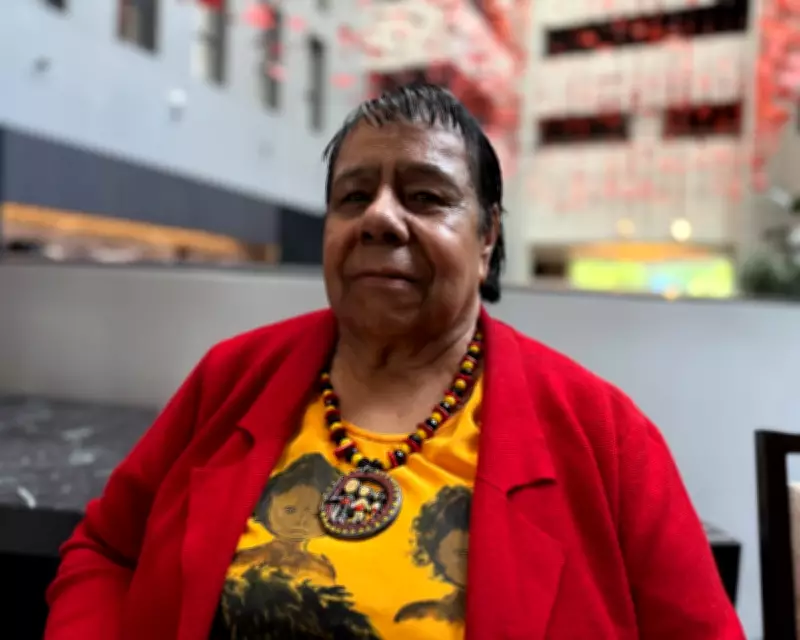
Valerie, a survivor of Australia's Stolen Generations, has shared the harrowing story of how she and her siblings were forcibly taken from their mother and placed in institutions, a traumatic experience that resulted in the deaths of two of her siblings. This account sheds light on the devastating impacts of government policies that targeted Indigenous families for decades, leading to profound intergenerational trauma that continues to affect communities today.
Forced Removal and Institutional Placement
During the era of the Stolen Generations, which spanned from the late 1800s to the 1970s, Australian authorities systematically removed Indigenous children from their families under assimilation policies. Valerie and her siblings were among the thousands of children seized, often without consent or justification, and placed in state-run institutions or foster care. These institutions were frequently characterized by harsh conditions, abuse, and neglect, stripping children of their cultural identity and family bonds.
The separation from their mother was abrupt and brutal, leaving deep emotional scars. Valerie describes the confusion and fear she felt as a child, torn from the safety of her home and community. The institutions provided little comfort, with inadequate care and a lack of familial support exacerbating the trauma. For many survivors, like Valerie, these experiences have led to lifelong struggles with mental health, identity, and relationships.

Tragic Losses and Survival
In Valerie's case, the institutional placement had fatal consequences. Two of her siblings did not survive their time in care, succumbing to the harsh conditions or neglect that were common in such facilities. Their deaths underscore the severe risks faced by Indigenous children in these systems, where mortality rates were often higher due to poor healthcare, malnutrition, and emotional deprivation.
Valerie's survival, while a testament to her resilience, came at a great cost. She recounts the loneliness and grief of losing siblings, compounded by the ongoing separation from her mother and heritage. The trauma of these losses has echoed through generations, affecting not only Valerie but also her descendants, who grapple with the legacy of displacement and cultural erasure.
Ongoing Impacts and Calls for Justice
The Stolen Generations have left a lasting mark on Australia's Indigenous communities, with many survivors and their families continuing to seek recognition, reparations, and healing. Valerie's story highlights the urgent need for ongoing support and acknowledgment of this dark chapter in history. Government apologies and initiatives, such as the National Apology in 2008, have been steps forward, but many argue that more concrete actions are required to address the socioeconomic and health disparities stemming from these policies.
Intergenerational trauma remains a significant issue, with higher rates of poverty, incarceration, and mental health challenges among Indigenous populations linked to historical injustices. Advocacy groups emphasize the importance of truth-telling, cultural revitalization, and community-led solutions to foster recovery and resilience.
Valerie's courage in sharing her experience serves as a powerful reminder of the human cost of the Stolen Generations. It calls for continued efforts to honor the survivors, remember those who were lost, and work towards a future where such injustices are never repeated. As Australia reflects on its past, stories like Valerie's are crucial for understanding the full scope of this tragedy and paving the way for reconciliation and healing.