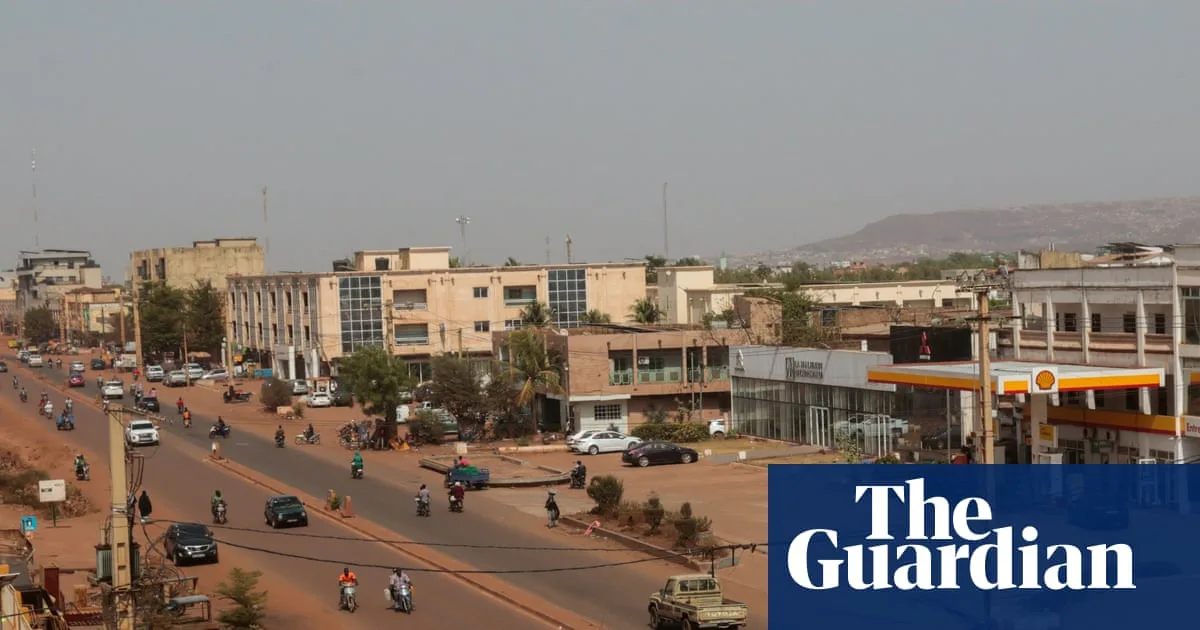
Islamic militants and separatists launched coordinated attacks on Saturday across Mali’s capital, Bamako, and four other cities, marking one of the largest such assaults in the country in recent years. The al-Qaida-linked group JNIM claimed responsibility jointly with the Tuareg-led Azawad Liberation Front, stating on its website that targets included Bamako’s international airport and locations in central and northern Mali.
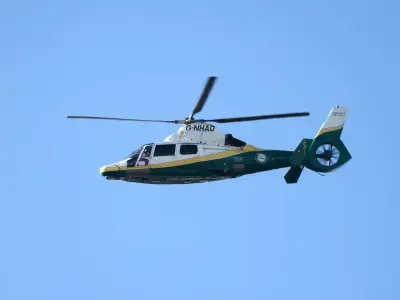
The Malian army said unidentified armed terrorist groups targeted certain locations and barracks in Bamako, and that soldiers were engaged in neutralising the attackers. A later statement declared the situation under control. An Associated Press journalist in Bamako heard sustained heavy weapons and automatic rifle fire coming from Modibo Keïta international airport, about 9 miles from the city centre, and saw a helicopter over nearby neighbourhoods.
In the town of Kati near Bamako, home to the main military base and where junta leader Gen Assimi Goita resides, a resident reported being woken by gunfire and explosions. The residence of Defence Minister Sadio Camara was heavily damaged by an explosion, according to a nearby shopkeeper. Videos on social media showed militant convoys in trucks and motorcycles moving through Kati’s deserted streets.

Attacks were also reported in the central towns of Sévaré and Mopti, and in the northern cities of Kidal and Gao. A former mayor of Kidal said insurgents entered the town, taking control of some neighbourhoods and exchanging fire with the army. A spokesperson for the Azawad Liberation Front claimed its forces had taken control of Kidal and parts of Gao, though the AP could not independently verify this.
A resident of Gao reported gunfire and explosions from the early hours of Saturday, with sounds still audible in the late morning. The force of the explosions shook doors and windows. Ulf Laessing, head of the Sahel programme at the Konrad Adenauer Foundation, said the assault appeared to be the largest coordinated attack in years, and expressed concern over the apparent coordination between JNIM and Tuareg rebels, reminiscent of their 2012 alliance that overran northern Mali.