As Australia settles into its traditional summer rhythm of beach holidays and cricket, the national mood has been shattered by a profound tragedy. The immediate shock and horror of last Sunday's antisemitic terrorist attack during Hanukkah celebrations at Bondi in Sydney is now evolving into a more complex and troubling phase of anger and bitter division.
From Grief to Division: A Political Opportunism
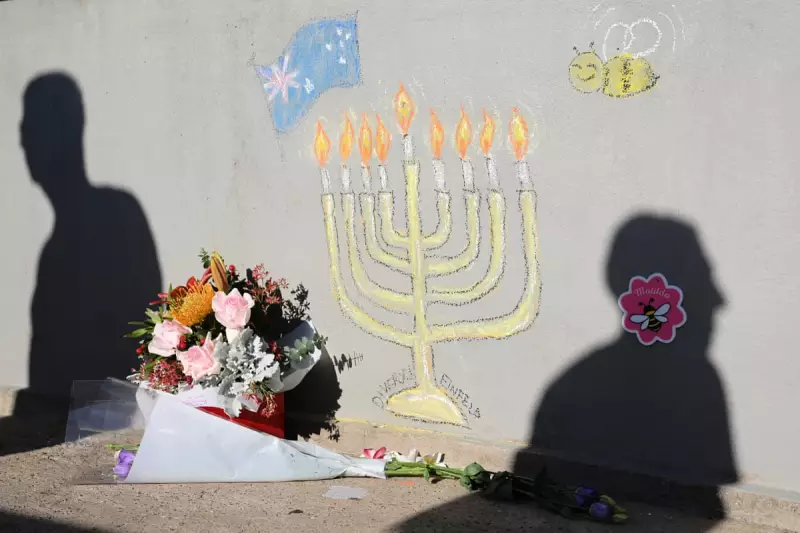
The initial wave of communal grief, marked by poignant memorials drawn on bridge walls, is being tested. Some political figures have moved swiftly to exploit the tragedy, seeking to foment racial and social division. Notably, Pauline Hanson and Barnaby Joyce appeared at a Bondi vigil not two full days after the massacre, using the platform to question Australia's immigration policies. Similarly, Liberal MP Andrew Hastie made pointed comments while the crime scene remained active.
This rush to politicise the atrocity stands in stark contrast to the messages of unity and love promoted by interfaith leaders in the immediate aftermath. Their calls, consistent with the Hanukkah symbolism of light overcoming darkness, emphasised community and ethnic cohesion. Yet, the response from parts of the political establishment has been one of finger-pointing and recrimination, deepening societal fractures.

Unanswered Questions and Security Failures
As the nation grapples with its grief, urgent and legitimate questions demand answers. Why did a large public Hanukkah celebration proceed with such inadequate security when the national terrorism threat level was officially set at 'probable'? Furthermore, how were the alleged perpetrators able to possess six guns in a family home, especially when one had reportedly come to the attention of the Australian Security Intelligence Organisation (ASIO) as far back as 2019 for alleged links to a fundamentalist person of interest?
These security lapses have fuelled public anger and confusion. The well-worn argument that 'people kill, not guns' has quickly resurfaced, yet many argue for a dual approach: tackling violent bigotry while simultaneously strengthening measures to keep firearms from its potential adherents.
The Search for Light and Human Goodness
Amid the darkness, extraordinary acts of human courage and kindness have emerged. Individuals like Ahmed al-Ahmed, Reuven Morrison, and Boris and Sofia Gurman risked their lives to help others. First responders, police, paramedics, and lifeguards like Jackson Doolan ran towards the gunfire. These unsung heroes represent the community spirit that is now so desperately needed.
For many Australians, the iconic beauty of Bondi—its azure skies and golden sand—now feels incongruous with the memory of last weekend's violence. Shared community spaces may never look quite the same. In response, many are cancelling Christmas plans, opting for quiet contemplation over celebration.
Yet, this introspection may be counterintuitive. In times of fear, anger, and grief, the reassurance of community—the human glue inherent in the word 'unity'—is what we need most. The challenge for politics is formidable: to unite a grieving and frightened nation searching for light and answers, rather than deepening its wounds. Tragically, as the long summer unfolds, the portents for such unity appear elusive.