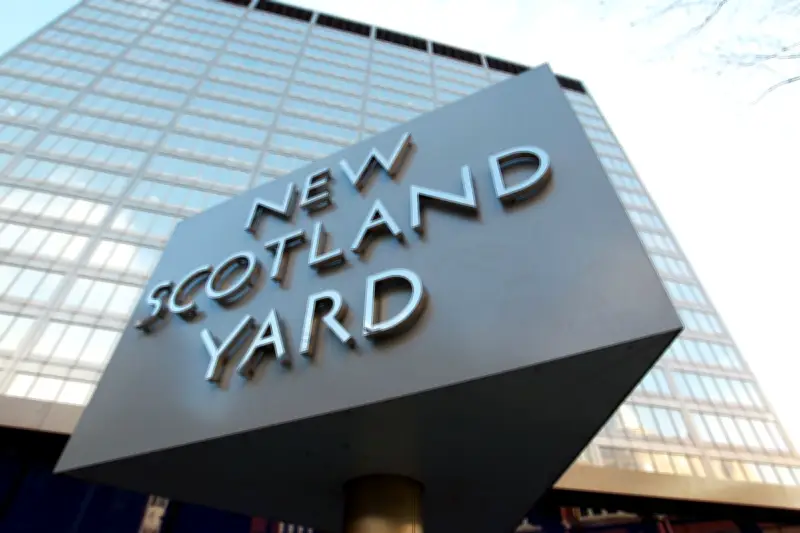
A 14-year-old boy has been charged with a terrorism offence after police discovered an alleged plan to target two mosques in the Sutton area of south London. The child, who cannot be named due to his age, was first arrested on suspicion of criminal damage to a vehicle, but a search of the address revealed “a number of documents of concern,” leading to further arrest under section 5 of the Terrorism Act 2006 – preparation of terrorist acts – linked to “extreme right-wing terrorism.”
Charges and Court Appearance
The Metropolitan Police confirmed the boy has also been charged with racially aggravated damage to property for allegedly damaging a car window on or before June 20. He has been remanded in custody and is due to appear at Westminster Magistrates’ Court on Thursday July 16. Police have contacted the affected mosques and are providing support via specialist officers. The victim linked to the damaged vehicle, also in Sutton, has been notified.
Police Response and Community Impact
Detective Chief Superintendent Nick Blackburn, in charge of local policing for the area, said: “We acknowledge that this will be concerning for the local Muslim community and have been working together with our local partners to provide reassurance and support and I would like to thank all those involved for their understanding. We should not underestimate the cumulative impact of incidents of this nature on the Muslim community.” He noted that these charges come just days after 12 people were arrested for a suspected threat to an Islamic festival in Suffolk and a man was arrested for an alleged assault outside a mosque in Leyton.

Rise in Youth Radicalisation Concerns
Commander Helen Flanagan, head of Counter Terrorism Policing London (CTP), described it as a “very serious terrorism charge against a young boy” and “particularly concerning” to the Muslim community. She added that they are seeing an increasing number of children and young people in their casework. Ms Flanagan urged: “We continue to work with partners across policing, education, local authorities and safeguarding agencies to help prevent young people becoming involved in extremist ideologies and criminality. However, parents, carers, teachers and others who work with young people also have an important role to play. If you’re concerned that a child or young person may be vulnerable to radicalisation, we would urge you to seek support and contact ACT Early. Early intervention can make a significant difference and help prevent individuals from coming to harm or becoming involved in criminal activity.”
The Met is working closely with CTP London and has increased patrols in affected areas. There is not believed to be any enduring or wider threat, and police are not seeking any other people in connection with their investigation.