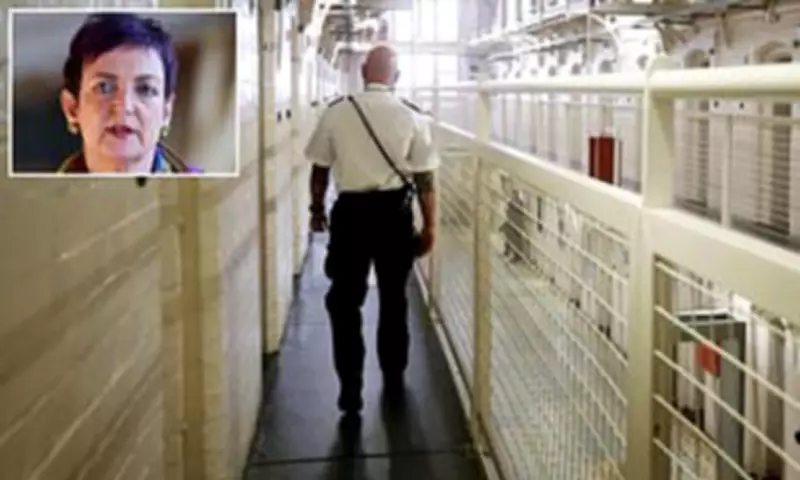
Violent criminals responsible for inflicting severe, life-altering injuries on their victims are poised to become eligible for release from Scottish prisons after serving less than one-third of their sentences. This controversial development follows the announcement of further reforms by SNP ministers, which critics have branded as 'soft-touch' justice measures designed to alleviate pressure on the nation's overcrowded prison system.
Reckless Proposal Sparks Outrage
Justice Secretary Angela Constance unveiled what opponents have called a 'reckless' proposal at Holyrood on Tuesday. Under the new scheme, offenders serving sentences of four years or less will qualify for early release after completing just 30 per cent of their term, a significant reduction from the current threshold of 40 per cent. The only exceptions to this rule will apply to individuals convicted of domestic abuse or sexual offences.
The announcement has been met with fierce condemnation from political opponents and victim advocacy groups, who argue that the move represents a 'dangerous' shortcut that undermines the justice system and insults those who have suffered at the hands of criminals.

Implications for Serious Crimes
The timing of this proposal has proven particularly contentious, coming just as a drug-driver who killed a mother of four in a head-on collision after taking cocaine received a four-year prison sentence. Under the new rules, this offender would be eligible for early release, highlighting the potential consequences of the policy shift.
Scottish Conservative justice spokesman Liam Kerr delivered a scathing assessment of the plan, stating: 'Reducing short-term sentences to just 30 per cent is a dangerous short-cut that effectively renders sentences meaningless. This reckless plan is the direct result of the SNP's failure to build sufficient prison capacity and the failure of their emergency early-release programme to alleviate that pressure.'
Kerr further emphasised the impact on victims, adding: 'It's an insult to victims that prisoners convicted of serious assault, drug offences, and other serious crimes will be out after serving less than a third of their sentence.'
Specific Cases Highlighted
Tory MSP Sharon Dowey raised specific concerns about the types of offenders who would benefit from earlier release under the proposed changes. She pointed to High Court cases where four-year custodial sentences had been imposed for knife assaults resulting in severe injuries, permanent disfigurement, and emergency brain surgery.
'Can the Cabinet Secretary confirm whether under her proposals offenders convicted of crimes of this gravity could be released after serving only around 30 per cent of their sentence?' Dowey challenged during parliamentary proceedings.
In response, Ms Constance maintained that 'it is not the intention of this Government to create a hierarchy of offences,' though this assurance has done little to quell concerns about the practical implications of the policy.
Prison Population Pressures
The proposed changes come against a backdrop of significant strain on Scotland's prison system. The current prison population stands at 8,301, prompting what the Justice Secretary described as necessary measures 'to deliver a further sustained reduction in the prison population.'
This latest initiative follows four separate tranches of 'emergency' prisoner releases, which have already resulted in 415 inmates being set free, with an additional 200 due for release by April. Ms Constance defended the approach, stating: 'It remains crucial that those who pose the greatest risk of harm to the public are housed in prisons. However, it is also the case that there are too many people in our prisons.'
Victim Support Concerns
Debbie Adams, interim chief executive of Victim Support Scotland, expressed serious reservations about the potential consequences of the policy shift. She warned that the change 'risks the creation of more victims and further erodes the general public's sense of trust and confidence in the justice system.'

The debate surrounding these reforms highlights the ongoing tension between managing prison capacity and maintaining public confidence in sentencing practices. As the Scottish Government moves forward with these controversial proposals, questions remain about their long-term impact on both the justice system and community safety across the nation.