Texas Judge Orders Camp Mystic to Preserve Flood-Damaged Cabins as Evidence
In a significant legal development following last year's catastrophic Texas floods that claimed 27 lives at Camp Mystic, a district judge has issued a preservation order preventing the camp's owners from altering or demolishing key structures. The ruling comes in response to a lawsuit filed by the family of 8-year-old Cile Steward, who was swept away during the disaster and whose body has not been recovered.
Preservation Order Details
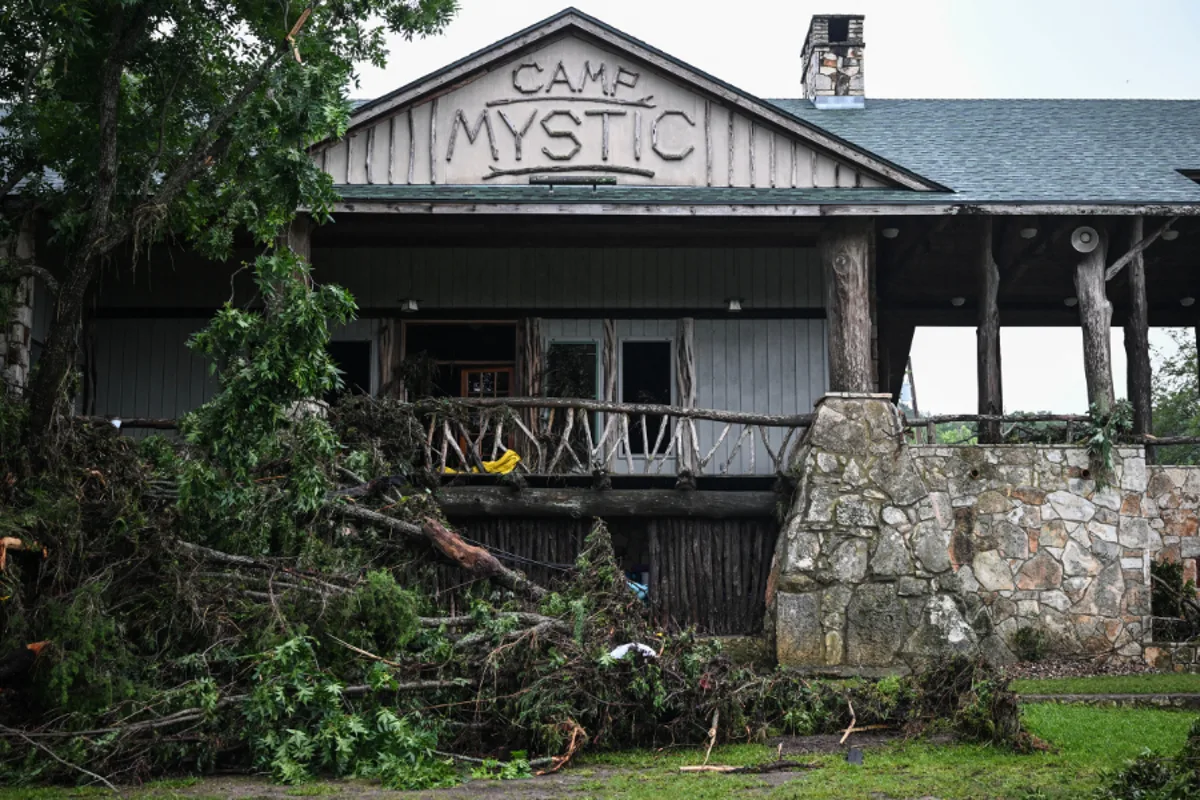
District Judge Maya Guerra Gamble has mandated that Camp Mystic must not alter or demolish the cabins where campers were housed during the devastating Fourth of July floods. Additionally, the camp is prohibited from using the portion of the grounds closest to the Guadalupe River where those cabins were situated. The order effectively halts any construction or modifications that could compromise potential evidence.
"What we're trying to do is preserve the evidence that's there so that we can understand, so that future campers will never be put in a situation like this again," stated Will Steward, Cile's father, speaking to reporters after the hearing.
Background of the Tragedy
The tragedy unfolded when rapidly rising floodwaters surged through a low-lying area of the summer camp before dawn on July 4, 2025. The campers and counselors were killed as the Guadalupe River rose from 14 feet to 29.5 feet within just 60 minutes. Established in 1926, Camp Mystic did not evacuate before the flood hit, resulting in what became part of a larger disaster that killed at least 136 people across Texas.
During Wednesday's packed courtroom proceedings, family members of the deceased girls wore buttons depicting their loved ones' images. Meanwhile, attorneys for Camp Mystic displayed photographs of memorial trees planted in honor of the victims and presented architectural renderings of plans to rebuild parts of the camp outside a 1,000-year flood zone.
Conflicting Perspectives
Mikal Watts, an attorney representing Camp Mystic and its family of owners, defended the camp's decision not to evacuate, arguing that "The worst thing you can do is put a bunch of 8-year-olds on a bus and try to drive them out of there. They all would have drowned." Watts maintained that "Nobody had ever seen a prior flood anything like we saw in 2025" and expressed sympathy for the families while insisting there was little the camp could have done during the unprecedented catastrophe.
However, testimony revealed concerning gaps in the camp's preparedness. Edward Eastland, son of camp owner Richard Eastland who died in the flooding, testified that security cameras were operational around the campus but no one was monitoring the live feed during the critical overnight hours when waters rose. When he attempted to access the footage around 3 a.m., he was unable to do so.
Safety Concerns and Ongoing Investigations
When questioned about the camp's flood preparedness plans, Eastland acknowledged he didn't know if there was anything more detailed than a one-paragraph slide presented during the hearing. This admission has fueled concerns among victims' families about the camp's safety protocols.
"They didn't have a plan, and they don't have a plan moving forward," asserted Cici Steward, mother of the missing Cile, expressing doubts about the camp's ability to ensure safety for future campers while the search for her daughter continues.
The camp's decision last year to partially reopen and construct a memorial on the grounds has drawn criticism from many grieving families who say they weren't consulted about these plans. Meanwhile, Texas Lieutenant Governor Dan Patrick has requested that state regulators refrain from renewing Camp Mystic's operating license while investigations into the deaths continue, with legislative probes expected to commence this spring.
Legal and Regulatory Implications
Families of several deceased girls have filed lawsuits against the camp's operators, alleging that officials failed to take necessary precautions as life-threatening floodwaters approached. Despite these legal challenges and the ongoing investigations, Camp Mystic representatives have indicated that more than 850 campers have already signed up to attend this summer, though the camp still requires state regulatory approval for its operating license.
The preservation order represents a crucial step in the legal process, ensuring that potential evidence remains intact as multiple investigations proceed and families seek answers about one of Texas's deadliest flood disasters.