Official documents have revealed that an inmate who was granted early release from a Scottish prison a decade ago following a brain tumour diagnosis is still alive today. This individual is one of more than twenty prisoners freed from Scottish jails on compassionate grounds over the past ten years, according to data released to 1919 magazine.
Compassionate Release Statistics in Scotland
Since 2016, a total of twenty-two prisoners have been released early on compassionate grounds in Scotland. Of these, eighteen have since passed away, but the remaining four have no date of death recorded in the official records. The Scottish Prison Service has declined to publicly name these individuals, indicating that they are likely still alive and that their personal information rights must be respected under data protection laws.
Specific Cases of Early Release
The data highlights several specific instances of compassionate release. One inmate was freed from HMP Shotts in 2016 after being diagnosed with a brain tumour. Another prisoner was released from HMP Edinburgh in 2020 following a lung cancer diagnosis, and a further individual was granted early release from HMP Shotts in 2021, also due to terminal lung cancer. These cases illustrate the range of medical conditions considered under the compassionate release policy.

Grounds for Compassionate Release
Scottish ministers have the authority to release prisoners on licence for compassionate reasons, which typically include terminal illness or severe incapacitation. Other circumstances that may warrant early release include situations where a prisoner's safety is seriously compromised while incarcerated or where their life expectancy is significantly shortened by remaining in prison. This policy aims to balance humanitarian concerns with public safety considerations.
The Controversial Case of Abdelbaset al-Megrahi
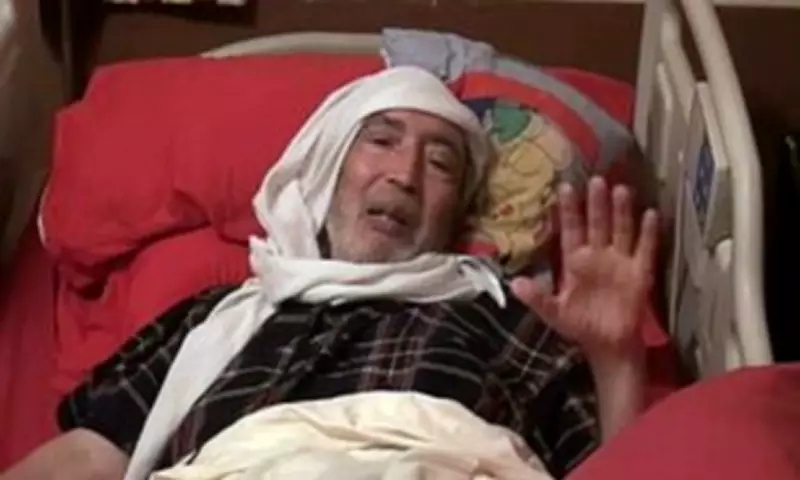
One of the most high-profile and controversial decisions to grant compassionate release was made by former justice secretary Kenny MacAskill, who freed Abdelbaset al-Megrahi, the convicted Lockerbie bomber, in 2009 following a prostate cancer diagnosis. At the time, MacAskill stated that the decision was his alone and that the terrorist should be allowed to return to Libya to die. However, al-Megrahi, the only person convicted of the 1988 bombing, survived for a further three years with his family in Libya, far exceeding the three-month prognosis upon which the release decision was based.
Government Process and Safeguards
The Scottish Government has outlined the rigorous process involved in compassionate release decisions. Ministers receive an independent recommendation from the Parole Board before making any final determination. A government spokesman emphasised that early release on compassionate grounds is considered only in exceptional circumstances after a thorough assessment. Release may be contemplated when a prisoner's death is anticipated within a short timeframe or when they are seriously medically incapacitated.
In all cases, authorities must be satisfied that the risk of reoffending or causing public harm is low and can be appropriately managed. Suitable arrangements for the prisoner's supervision, care, and treatment in the community must also be in place. This process is designed to balance compassion with the overriding responsibility to protect public safety, ensuring that decisions are made with careful consideration of all relevant factors.