Vatican's 'Trial of the Century' Resumes After Prosecutorial Setbacks
The appeals phase of the Vatican's so-called "trial of the century" has recommenced this week, following a series of significant and embarrassing setbacks for the prosecutors representing Pope Francis. These developments could have profound implications for the final outcome of this complex and troubled case.
Convictions and Controversial Appeals
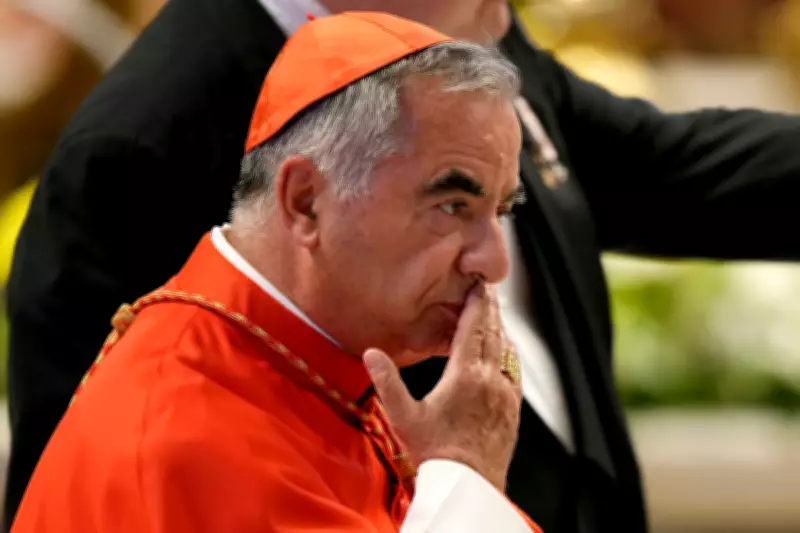
The case centres on the once-powerful Cardinal Angelo Becciu and eight other defendants, who were convicted of various financial crimes in 2023 after an extensive two-year trial. However, the Vatican's highest court, the Court of Cassation, recently upheld a lower court's decision to dismiss the prosecutors' appeal entirely. This ruling means the defendants can now only anticipate improvements to their verdicts and sentences, if not outright overturning.
Compounding this setback, the Vatican's chief prosecutor, Alessandro Diddi, abruptly resigned from the case on the same day as the Cassation ruling. He dropped months of objections rather than face the possibility of being forcibly removed by the court.

WhatsApp Chats and Credibility Questions
At the heart of Diddi's resignation lies a now-infamous collection of WhatsApp chats that have severely undermined the trial's credibility. These communications, documenting a years-long, behind-the-scenes effort to target Cardinal Becciu, suggest questionable conduct by Vatican police, prosecutors, and even Pope Francis himself.
Several defence attorneys argued these chats demonstrated Diddi's lack of impartiality in handling evidence and witnesses, rendering him unfit for his role. Diddi rejected these claims as "unfounded" but recused himself regardless, stating he wished to prevent "insinuations and falsehoods" from damaging the pursuit of truth and justice.
Had the Cassation ruled against Diddi and found his role incompatible, the entire case could have been declared a mistrial or nullified. As it stands, the appeals court has ruled Diddi's prosecutorial activities were valid, despite his subsequent recusal.
London Property and Financial Allegations
The original trial, which opened in 2021, primarily focused on the Vatican's 350 million euro investment in a London property. Prosecutors alleged that brokers and Vatican monsignors defrauded the Holy See of tens of millions in fees and commissions during the acquisition, then extorted a further 15 million euros to cede control.
This investigation branched into two main tangents involving Cardinal Becciu, who was convicted of embezzlement and sentenced to five and a half years imprisonment. The tribunal convicted eight other defendants of charges including embezzlement, abuse of office, and fraud, though acquitting them on many counts.
All defendants maintained their innocence and appealed. Prosecutors also appealed, as the tribunal largely dismissed their theory of a grand conspiracy, instead convicting on several serious but secondary charges.
Procedural Errors and Legal Challenges
Diddi had viewed the appeals as an opportunity to reprosecute his initial case, merely attaching his original conviction request to the appeal filing. However, the appeals court dismissed this on grounds of lacking the "specificity" required by law—an embarrassing procedural error that the Cassation court refused to forgive in its January 9th ruling.
The appeals now proceed on other defence arguments, with a forthcoming line of attack focusing on Pope Francis's role in the investigation. Defence attorneys have argued their clients cannot receive a fair trial in an absolute monarchy where the pope wields supreme legislative, executive, and judicial power—powers Francis exercised during the investigation.
Secret Decrees and Fair Trial Concerns
Central to these concerns are four secret executive decrees Francis signed in 2019 and 2020, granting Vatican prosecutors extensive powers including unchecked wiretapping and authority to deviate from existing laws. These decrees, never officially published and only revealed just before trial, provided no rationale, timeframe, or independent judicial oversight for the surveillance.

Legal scholars argue this secrecy and ad hoc nature violated the fundamental right to a fair trial, specifically the "equality of arms" between defence and prosecution. The defence was completely unaware of the prosecution's enhanced investigative powers. Even Vatican legal officials have privately conceded that Francis's failure to publish the decrees was deeply problematic.
Diddi argued the decrees provided unspecified "guarantees" for suspects, and the tribunal originally rejected defence motions claiming they violated fundamental rights. In a convoluted decision, judges ruled no violation of legality occurred since Francis made the laws. Under canon law, the pope cannot be judged by anyone but God, yet also cannot promulgate laws violating divine law—creating a potential dilemma if the court ultimately finds Francis's decrees violated defendants' rights.
The Vatican continues to insist all defendants received a fair trial, as this landmark case moves forward through its appeals process with its credibility and legal foundations under intense scrutiny.