Cradock Four Legacy: Apartheid Justice Denied as Families Await Truth
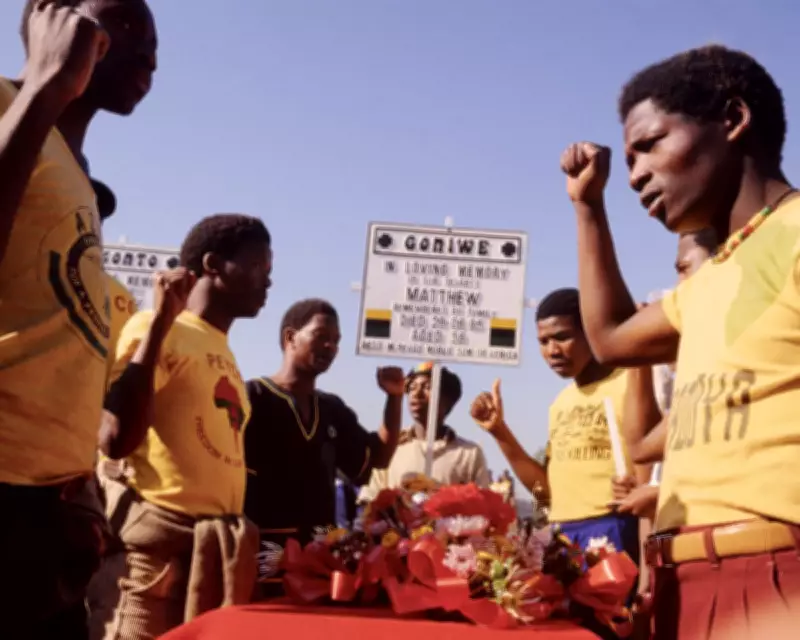
On 27 June 1985, as darkness enveloped the Eastern Cape, four black civic leaders—Fort Calata, Matthew Goniwe, Sicelo Mhlauli, and Sparrow Mkonto—embarked on a 150-mile journey home from an anti-apartheid meeting in Port Elizabeth, now Gqeberha. They never arrived. Intercepted by white security police, they were handcuffed, driven back, and brutally murdered in a staged vigilante attack, their bodies stabbed and set alight. Known as the Cradock Four, their deaths became a stark symbol of apartheid's cruelty.
Truth and Reconciliation Commission's Shortcomings
The advent of democracy in 1994 promised justice, yet the families received neither answers nor accountability. Their struggle now epitomises the deficiencies of the Truth and Reconciliation Commission (TRC), which began hearings 30 years ago on 15 April 1996. Led by Nobel laureate Desmond Tutu, the TRC aimed to uncover human rights violations but offered amnesty to perpetrators who confessed. Successive African National Congress (ANC) governments, under Thabo Mbeki and Jacob Zuma, allegedly struck deals with apartheid generals to bury cases, a claim both deny.
In the Cradock Four case, initial inquests in 1987 and 1993 pointed to "unknown persons" and "security forces" without naming perpetrators. At the TRC, three white police officers admitted to the murders to evade prosecution, with three others confessing to planning or ordering them. All were denied amnesty and have since died, while three black officers were killed in a 1989 car bombing to silence them.

Ongoing Legal Battles and Political Interference
A third inquest opened in June last year after years of family pressure, questioning why killers denied amnesty were not prosecuted earlier. The TRC's hearings, starting in East London (now KuGompo City), allowed victims like Nomonde Calata to publicly grieve, her anguished cries broadcast nationwide. However, the commission's scope was limited to 1960–1994, failing to address apartheid's systemic roots in land, education, and housing.
Critics argue the TRC provided catharsis but lacked prosecutorial follow-up. Eugene de Kock, known as "Prime Evil," testified in 1997, expressing bitterness over unaccountable apartheid leaders. Despite over 7,000 amnesty applications, only 849 were granted, leaving many cases unresolved. In January 2025, Lukhanyo Calata led a lawsuit against the government, prompting President Cyril Ramaphosa to launch a judicial inquiry into political interference, led by retired judge Sisi Khampepe.
Families' Enduring Pain and Quest for Answers
For families, the emotional toll remains profound. Lonwabo Mkonto, who lost his father at age six, recalls the absence of paternal guidance during Xhosa rites of passage. Nombuyiselo Mhlauli, widowed and never remarried, mourns the life they could have shared. The Cradock Four were dedicated activists; Calata and Goniwe led boycotts after Goniwe was fired for his activism. A 1985 signal authorised by Christoffel van der Westhuizen recommended their "permanent removal," leading to their deaths weeks later.
Recent testimonies have shed new light. In March, De Kock testified that "removed permanently" meant murder, while Van der Westhuizen denied involvement. Families seek not imprisonment but truth, as perpetrators age and die. The Khampepe inquiry continues, with former prosecutors alleging obstruction, and a final report due on 31 July. As South Africa grapples with inequality and corruption, the Cradock Four's legacy underscores the unfinished business of apartheid justice.