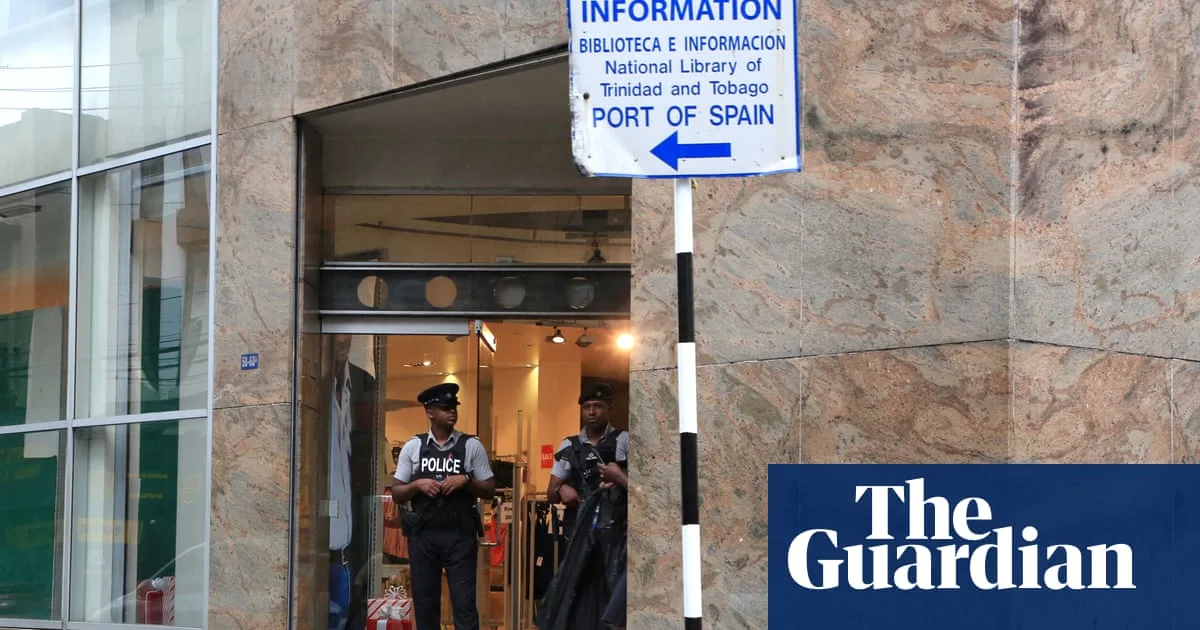
Trinidad and Tobago's parliament has unanimously agreed to extend a state of emergency for three months, following a week of gang violence that left six people dead. The emergency measures, first declared on 30 December, temporarily suspend several constitutional rights and grant police and defence forces powers to search and seize assets.
Prime Minister Keith Rowley told parliament that the measures were saving lives and had likely prevented multiple killings with high-powered rifles in public areas. However, the government stopped short of imposing a curfew, with Rowley stating the state of emergency should be as unobtrusive as possible for law-abiding citizens.
The twin-island nation, with a population of about 1.5 million, recorded 624 homicides last year, making it one of the most violent countries in Latin America and the Caribbean. Gang-related violence accounts for over 40% of murders, many involving illegal guns. Rowley criticised a 'deliberate policy by the American Department of Commerce to export arms and ammunition,' which he said pressures countries like Trinidad and Tobago.

Criminologist Darius Figuera criticised the government's approach, arguing it fails to address transnational crime. He warned that without charges against perpetrators, the war will recommence when the state of emergency ends. Security expert Garvin Heerah said the measures were necessary but worried about the impact on foreign investment and tourism.
The extension means the state of emergency will be in effect during the country's carnival, a major cultural event attracting thousands of visitors. Paige de Leon of the Trinidad and Tobago Event Promoters Association said there had been no negative impact on tourist numbers so far.