Inside Rio's Bloodiest Day: The Guardian Weekly's 20 February Report
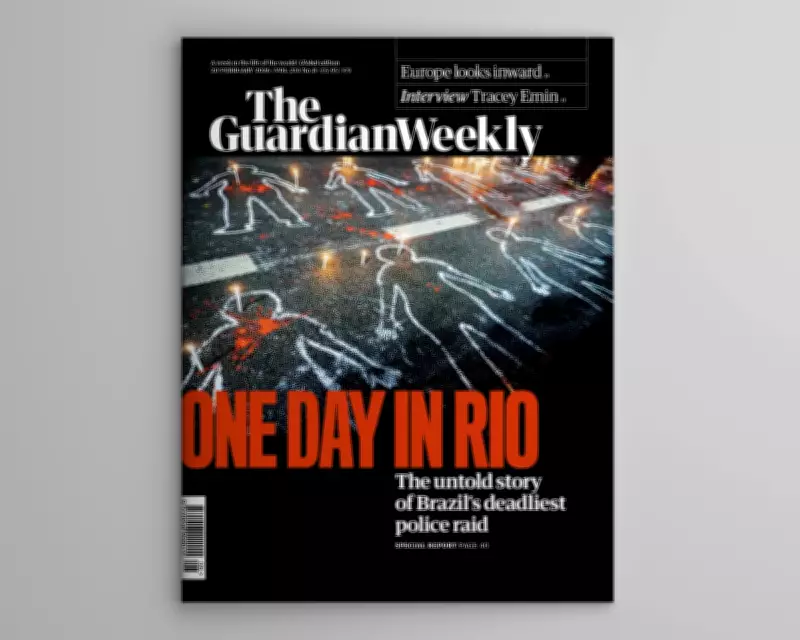
The city of Rio de Janeiro experienced its most violent day on record on 20 February, as detailed in a recent issue of The Guardian Weekly. This report provides a comprehensive analysis of the events that unfolded, shedding light on the factors that led to such widespread bloodshed.
The Escalation of Violence
On 20 February, Rio witnessed an unprecedented surge in violent incidents across multiple neighbourhoods. The Guardian Weekly's investigation reveals that clashes between rival drug gangs, combined with aggressive police operations, resulted in a staggering number of casualties. According to official sources, over 50 people were killed in a single 24-hour period, marking it as the deadliest day in the city's modern history.
The violence was not confined to one area; it spread through favelas and urban centres, causing panic among residents. Eyewitness accounts describe scenes of chaos, with gunfire echoing through the streets and emergency services struggling to cope with the influx of victims.

Root Causes and Contributing Factors
The Guardian Weekly delves into the underlying issues that fueled this outbreak of violence. Key factors include:
- Gang rivalries: Long-standing conflicts between powerful drug cartels escalated into open warfare, with territorial disputes triggering widespread shootings.
- Police tactics: Aggressive law enforcement operations, aimed at curbing gang activity, often exacerbated tensions and led to violent confrontations.
- Socioeconomic conditions: High levels of poverty and unemployment in many parts of Rio have created fertile ground for criminal organisations to recruit and operate.
- Political instability: Recent changes in local governance and security policies have left a vacuum, allowing violence to flourish unchecked.
Experts quoted in the report warn that without addressing these root causes, similar outbreaks could occur in the future, posing a continuous threat to public safety.
Impact on the Community
The human cost of Rio's bloodiest day is profound. Families have been torn apart, with many losing loved ones in the crossfire. The Guardian Weekly highlights personal stories from survivors and victims' relatives, painting a grim picture of the trauma inflicted on the community.
Local businesses suffered significant losses, as many were forced to close during the violence, disrupting the economy. Schools and public services were also affected, with some areas remaining inaccessible for days due to safety concerns.
Response and Future Outlook
In the aftermath, authorities have launched investigations and pledged to increase security measures. However, critics argue that past promises have yielded little change, and scepticism remains high among residents.
The Guardian Weekly's report concludes by emphasising the need for a multifaceted approach to reduce violence in Rio. Recommendations include:
- Improving community policing strategies to build trust between law enforcement and residents.
- Investing in social programs to address poverty and provide alternatives to crime.
- Enhancing coordination between different levels of government to ensure consistent security policies.
- Promoting dialogue between conflicting groups to de-escalate tensions.
As Rio de Janeiro grapples with the aftermath of its bloodiest day, this report serves as a crucial reminder of the urgent need for sustainable solutions to prevent such tragedies from recurring.