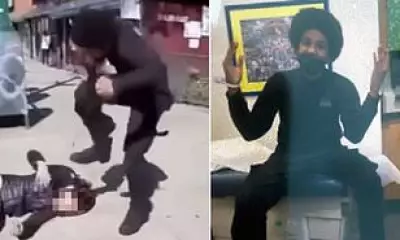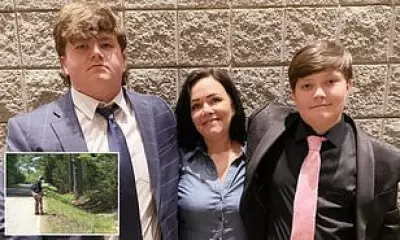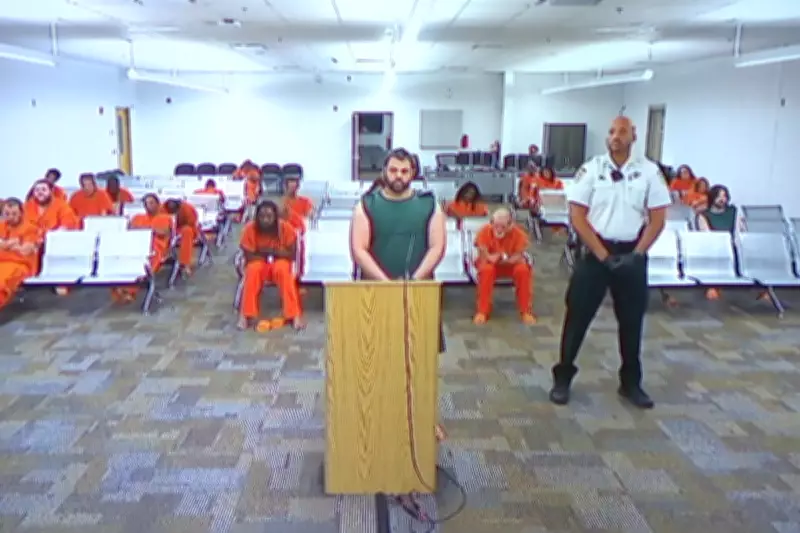
A newly released incident report details how the behavior of a suspect in the murders of two University of South Florida (USF) graduate students deteriorated over time, with family members attributing the decline to marijuana use. The suspect, Hisham Abugharbieh, 26, was arrested three years ago for punching his brother and kicking his mother, displaying delusional behavior such as claiming, "I am son of Mary" and "I created my brother. I am his god." He was taken into custody under the Baker Act, a Florida law permitting involuntary emergency mental health observation for up to 72 hours, according to the Hillsborough County Sheriff's Office report made public on Wednesday.
Family Accounts of Declining Mental Health
In a victim impact statement filed after the May 2023 arrest, a relative whose name was redacted wrote, "Hisham used to be a cool guy, a supportive and helpful eldest son, until he started smoking cannabis, especially medical marijuana. It turned him mentally ill, with hurtful behavior and anger problems which is affecting the family life. We lost Hisham as a normal family member." At the time of the battery arrest, Abugharbieh claimed he acted in self-defense because his brother threatened him. Relatives did not seek prosecution but requested substance abuse treatment. He subsequently entered a diversion program for first-time offenders.
Murder Charges and Discovery of Remains
Last week, Abugharbieh was charged with two counts of first-degree murder in the killings of Zamil Limon and Nahida Bristy, both USF doctoral students from Bangladesh. He is being held without bond. Limon's remains were found in a trash bag on the Howard Frankland bridge on April 24. The following day, authorities discovered a body in a waterway near the bridge, though the medical examiner has not officially confirmed it as Bristy. The couple disappeared on April 16; Limon was last seen at the off-campus apartment he shared with Abugharbieh, and Bristy at a campus science building. Limon studied geography, environmental science and policy, while Bristy pursued chemical engineering.

Jennifer Spradley, an attorney from the Tampa public defender's office, declined to comment on the case when reached via email earlier this week.