Minneapolis ICE Shooting Map Reveals Chilling Pattern of Violence
A newly released map has exposed a deeply concerning pattern of violence in Minneapolis, showing that two fatal shootings by US Immigration and Customs Enforcement agents occurred just over one mile apart from each other. The geographical proximity between these incidents has sparked significant public outrage and drawn stark comparisons to previous controversial killings.
Two Fatal Shootings Within One Mile
The most recent shooting occurred earlier today when a 51-year-old man lost his life during an immigration enforcement operation. This tragic event took place approximately one mile from where 37-year-old Renee Good was fatally shot by an ICE officer on January 7th. The close proximity of these two incidents has created a disturbing pattern on the city map that has alarmed residents and civil rights advocates alike.
Details surrounding Saturday's shooting remain somewhat unclear, but Minnesota Governor Tim Walz confirmed the man was shot amid the administration's ongoing immigration crackdown. A hospital record obtained by The Associated Press verified that a 51-year-old man shot by immigration officers had died from his injuries.
Escalating Tensions and Public Response
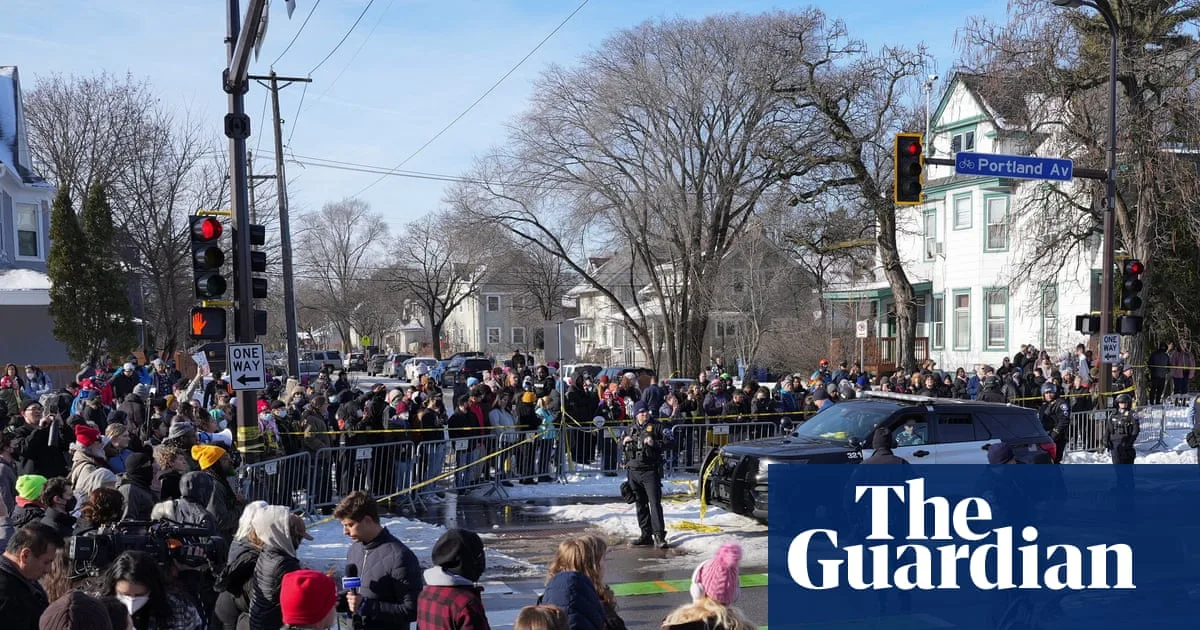
The release of this chilling map has significantly deepened public anger in Minneapolis, where daily protests have continued since Good's death earlier this month. Following Saturday's shooting, hundreds of protesters immediately poured into the streets near the scene, surrounding federal officers and chanting demands for ICE to leave their city.
Protesters have been heard shouting "ICE out now" while dragging garbage dumpsters from alleyways to block streets in acts of civil disobedience. Federal officers responded by wielding batons and deploying flash bangs to disperse the growing crowds, creating tense standoffs throughout the city.
Video Evidence and Official Statements
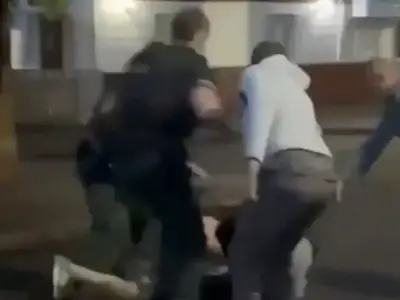
Disturbing clips of the incident quickly circulated online, showing a group of ICE agents tackling the man and wrestling him to the ground before shots were fired. The footage reveals that moments later, as his body lay motionless, additional shots were discharged.
Department of Homeland Security spokesperson Tricia McLaughlin commented to the AP that the man had been armed with a firearm containing two magazines, describing the situation as "evolving." DHS officials distributed a photograph of a handgun they claimed was found on the man who was shot.
Political Reactions and Growing Scrutiny
Governor Tim Walz, a Democrat, took to social media to express his concerns, stating he had been in contact with the White House and urging President Donald Trump to halt what the Department of Homeland Security has called its largest-ever immigration enforcement operation. In a post on X, formerly Twitter, Walz wrote: "Pull the thousands of violent, untrained officers out of Minnesota. Now."
The geographical closeness of these two fatal shootings—one involving a woman killed in her vehicle, the other a man shot during an immigration enforcement encounter—has intensified scrutiny of federal agents' use of force in Minneapolis. Serious questions are being raised about the tactics being employed during operations in residential neighborhoods and whether appropriate protocols are being followed.
Community Impact and Ongoing Protests
Local residents have expressed profound distress about the escalating violence in their community. Minneapolis resident Josh Koskie captured the sentiment of many when he commented: "They're killing my neighbours." The shooting occurred just one day after thousands of demonstrators had crowded Minneapolis streets in cold weather to protest the federal immigration crackdown and call for law enforcement to leave the city.
These back-to-back incidents have created what many are describing as a "new layer of hell" for Minneapolis residents, with the map visually demonstrating how federal enforcement actions are clustering in specific areas of the city. The pattern raises concerns about whether certain neighborhoods are being disproportionately targeted during immigration operations.
As investigations continue into both shootings, the Minneapolis community remains on edge, with protests expected to persist and demands for accountability growing louder. The visual evidence provided by the shooting map has become a powerful tool for activists and concerned citizens seeking to highlight what they perceive as excessive force and problematic tactics by federal immigration authorities.