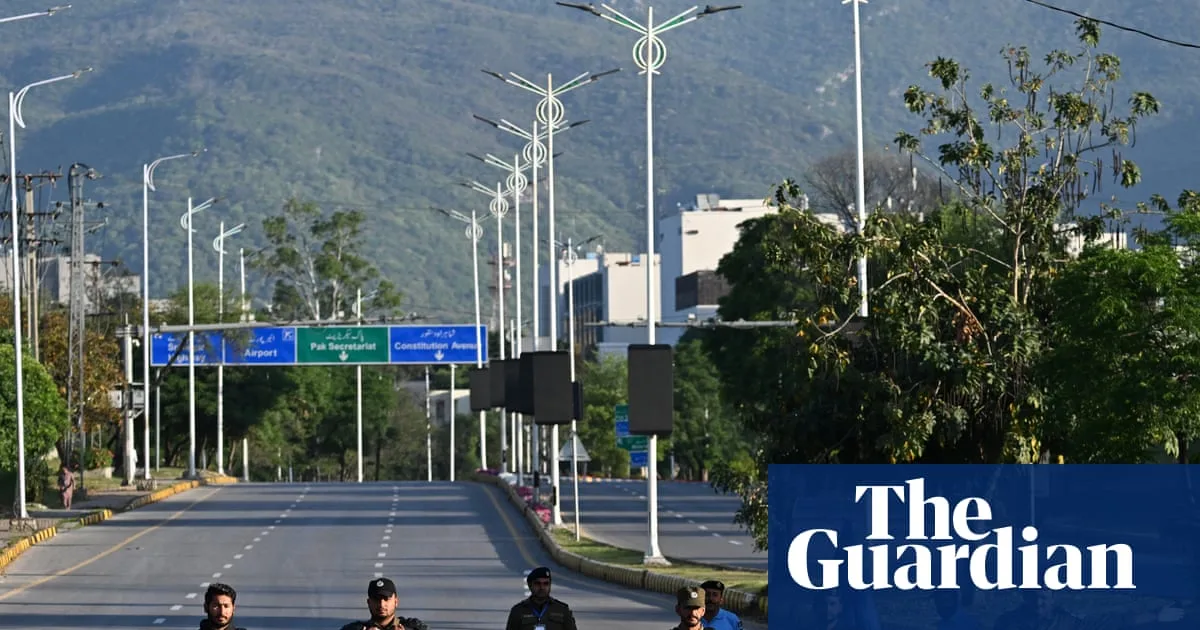
Islamabad remains under a strict lockdown as the city awaits high-stakes US-Iran negotiations, with residents comparing the situation to pandemic-era restrictions. Streets are empty, businesses shuttered, and public transport suspended, while officials work from home and labourers face unemployment. Security forces line the roads, but the promised talks have yet to materialise, leaving the city in limbo.
The lockdown has caused widespread frustration and economic distress. Thousands of workers were evicted from hostels on Saturday following a government order, forcing many to seek shelter with colleagues or relatives. Areej Akthar, a health officer at Pakistan Institute of Medical Sciences, described the chaos: 'Saturday was chaotic. Many people from distant cities had to beg colleagues and relatives to let them stay until the talks take place.' She added, 'It is like we are living in a cage.'
The economic impact compounds existing hardships from the US-Iran conflict. Since late February, Pakistan has faced severe energy shortages due to Iran's closure of the Strait of Hormuz, leading to power cuts of up to seven hours and restaurant closures from lack of cooking gas. Taxi drivers report a 50% drop in earnings. Muhammad Zubair, a daily wage labourer, said, 'A lockdown means no work and no work means no food. The government does not care about the poor.'

The uncertainty has also disrupted education and employment. Exams for over 1,200 civil service candidates were moved to Lahore, 230 miles away. Yasir Mushtaq said he may have to borrow money to travel, while many female candidates consider skipping the exams due to travel restrictions. A senior official remarked, 'We are all under a lockdown and it feels like we are back to coronavirus days.'