New Forensic Examination Could Unravel Decades-Old Chillenden Murder Conviction
Nearly three decades after the brutal hammer attack that claimed the lives of Lin Russell and her six-year-old daughter Megan on a summer afternoon in July 1996, a comprehensive forensic review could potentially overturn one of Britain's most controversial murder convictions. The Criminal Cases Review Commission (CCRC) is currently examining Michael Stone's case, with advanced analysis techniques offering new hope for the imprisoned man who has consistently maintained his innocence.
The Horrific Crime Scene That Shocked the Nation
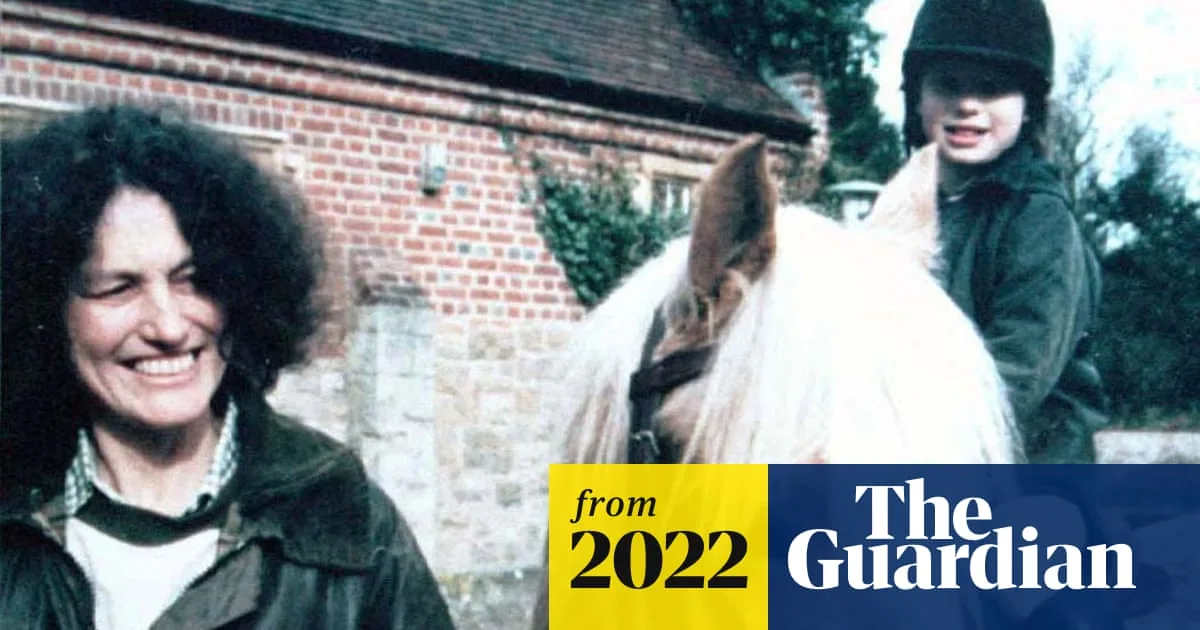
On that fateful day in rural Kent, 45-year-old geologist Lin Russell was walking her daughters home from school along Cherry Garden Lane, a quiet bridlepath near their Chillenden home. What began as an ordinary afternoon turned into a nightmare when an assailant attacked the family with what appeared to be a hammer. Lin and Megan suffered catastrophic head injuries and died at the scene, while nine-year-old Josie Russell survived despite severe wounds, having been tied to a tree and blindfolded during the assault.
The family's white terrier, Lucy, was also killed in the attack. When police discovered the scene hours later, they initially believed all three victims were dead until an officer noticed Josie moving. Her miraculous recovery allowed her to provide crucial details about the attacker, describing how he took a hammer from his car before demanding money.
The Controversial Conviction of Michael Stone
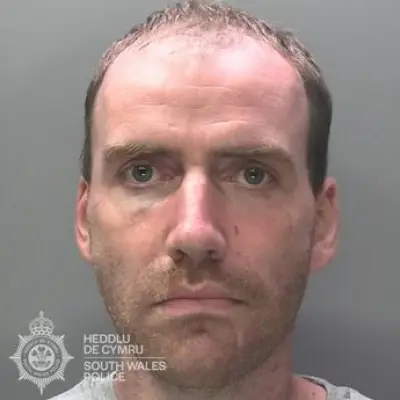
Michael Stone, a 38-year-old heroin addict with a criminal record, was identified as the prime suspect following a BBC Crimewatch reconstruction aired on the first anniversary of the unsolved murders. His psychiatrist recognized similarities between Stone and an e-fit composite based on witness descriptions. Stone's previous conviction for attacking someone with a hammer in 1981 further strengthened police suspicions.
Despite the absence of forensic evidence linking Stone to the crime scene, he was convicted in 1998 primarily based on testimony from three fellow inmates who claimed he had confessed while on remand. Although two of these jailhouse confessions were later discredited, Stone was found guilty again at a 2001 retrial based on the remaining prisoner's testimony.
New Forensic Discoveries Challenge Original Investigation
The CCRC review includes an 18-page dossier by Angela Gallop, Britain's leading cold-case forensic expert, who has re-examined the original evidence with DNA profiling expert Dr Philip Avenell. Their analysis reveals startling observations that were overlooked during the initial investigation.
Multiple Potential Weapons Identified
Gallop's report notes that numerous bloodstained sticks found on and around the victims' bodies showed patterns suggesting they might have been used as weapons during the attack. This revelation has surprised Stone's family, who had never previously heard this possibility discussed. The report recommends DNA testing on these branches, particularly in areas where an attacker would have gripped them.
Critical Evidence Testing Omissions
Among the investigation's shortcomings identified by Gallop is the failure to test fingernail scrapings from Lin Russell's left hand for her assailant's DNA—an omission described as "astonishing" by Stone's legal team. Additionally, a bootlace found 45 yards from the crime scene, extensively stained with Megan's blood and possibly used to strangle her, showed traces of male DNA that didn't match Stone's profile.
This lace, which mysteriously disappeared from police storage for a decade before reappearing in 2020, could now be tested using advanced "DNA-17" technology capable of analyzing small, old, or degraded samples. Stone's defense team argues that if Stone had used the lace as a tourniquet for heroin injection, as prosecutors suggested, his DNA would likely be present from handling it with his mouth.
Missing Evidence and Alternative Suspects
A bloody fingerprint found on Josie Russell's green lunchbox—which had insufficient detail for positive identification but enough to exclude Michael Stone—has also disappeared from evidence storage. Modern analysis could potentially identify whether the print belongs to Lin Russell or another individual whose fingerprints might be in police databases.
This missing evidence takes on greater significance given that serial killer Levi Bellfield, currently serving a whole life sentence for multiple murders including that of Milly Dowler, confessed to the Chillenden murders in 2023. However, Bellfield's history of narcissistic behavior raises questions about the credibility of his confession, making thorough forensic review essential for establishing the truth.
The Long Road to Potential Exoneration
Michael Stone has remained imprisoned for nearly 30 years, even refusing parole in 2022 because accepting it would require admitting guilt. His sister Barbara, a mental health nurse who has campaigned tirelessly for his release, believes police became fixated on her brother's guilt early in the investigation due to his previous hammer-related offense.
Stone's barrister Mark McDonald, who also represents convicted baby murderer Lucy Letby in her CCRC review, suggests investigators may have "grasped too soon at one theory without looking at others" due to the chaotic crime scene and lack of clear motive.
Despite receiving Angela Gallop's forensic report in September, the CCRC has yet to begin active investigations or interview key witnesses like Damien Daley, the prisoner whose testimony secured Stone's conviction. This delay is particularly concerning given that if neither Stone nor Bellfield is guilty, the actual perpetrator of this heinous crime may still be at large.
The outcome of this review could potentially correct what would become one of Britain's longest-running miscarriages of justice, second only to Peter Sullivan's 38-year wrongful imprisonment overturned last year. As forensic science advances, the truth about what happened on that summer afternoon in Chillenden may finally emerge, bringing either vindication for Michael Stone or confirmation that justice was served nearly three decades ago.