Static live facial recognition (LFR) cameras are set to be deployed across London's West End and Soho by December 2026, targeting areas with the highest rates of phone and jewellery theft. Metropolitan Police Commissioner Sir Mark Rowley will announce the expansion on Wednesday, building on a successful pilot in Croydon that led to 173 arrests over six months.
Deployment Details and Scale
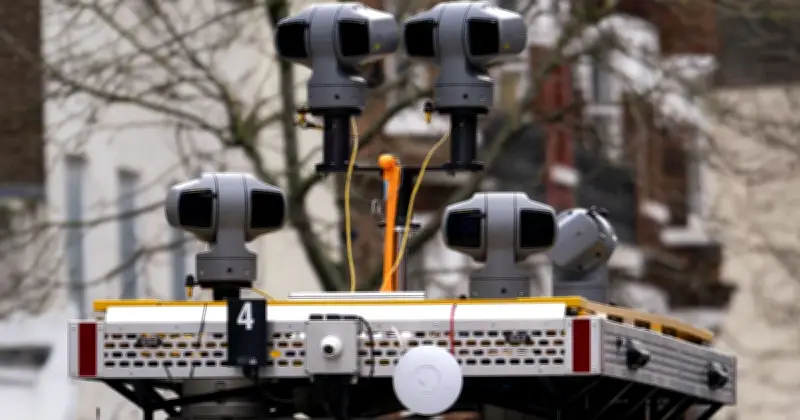
The West End, which attracts between 500,000 and 600,000 daily visitors—over 200 million annually—will be the primary focus. Cameras will be mounted on existing street furniture such as lampposts, not permanently fixed, allowing officers to reposition them as crime patterns shift. The Met will also work with local councils to identify additional high-crime areas for accelerated rollout from 2027.
The Croydon pilot used static cameras at two locations on the high street, monitored remotely, freeing up specialist vans for other uses. Between October 2025 and March 2026, 24 operations resulted in 173 arrests, with 61% of offences linked to arrests committed within the borough. Over 470,000 people passed the cameras, with only one false alert, which was quickly resolved.

Legal and Public Support
In April 2026, the Met won a judicial review confirming its LFR policy complies with human rights law, citing clear safeguards. Sir Mark Rowley stated: “Facial recognition is one of the most revolutionary technology advances in policing in recent years. Public confidence in this is clear—around 80% of Londoners support its use. That backing reflects a simple truth: it works.”
Since 2024, the Met has made over 2,000 arrests using LFR, including rapists, sex offenders, and prolific shoplifters. The technology uses intelligence-led watchlists created less than 24 hours in advance and deleted immediately after deployments.
Impact on Crime and Public Safety
Dee Corsi, chief executive of New West End Company, welcomed the move: “We have long supported the responsible use of Live Facial Recognition as an effective tool in tackling crime. A pilot scheme in the West End presents a significant opportunity.” The company is investing £23 million in enhanced security over five years.
Westminster City Council’s Cabinet Member for Enforcement, Councillor Caroline Sargent, added: “The City Council is committed to enhancing its new CCTV networks and will be embracing both AI and new technologies as part of our commitment to innovation and public safety.”
Case Studies from LFR Deployments
In March 2025, Dejean South, 25, was arrested in Woolwich after an LFR alert. He was wanted for aggravated burglary and breaching bail, and later sentenced to 22 months’ imprisonment suspended for two years. In February 2026, Colin Barker, 38, a registered sex offender, was flagged in Croydon; officers found he had accessed social media and communicated with a child under 16, leading to a two-year sentence. In January 2025, David Cheneler, 73, was stopped in Denmark Hill while with a six-year-old girl, breaching his Sexual Harm Prevention Order, and was sentenced to two years’ imprisonment.
Sir Mark Rowley concluded: “Criminals are not standing still. They are quick to exploit new technology to commit offences, evade detection and target victims at scale. Policing cannot afford to fall behind and this is another step towards tackling that.”