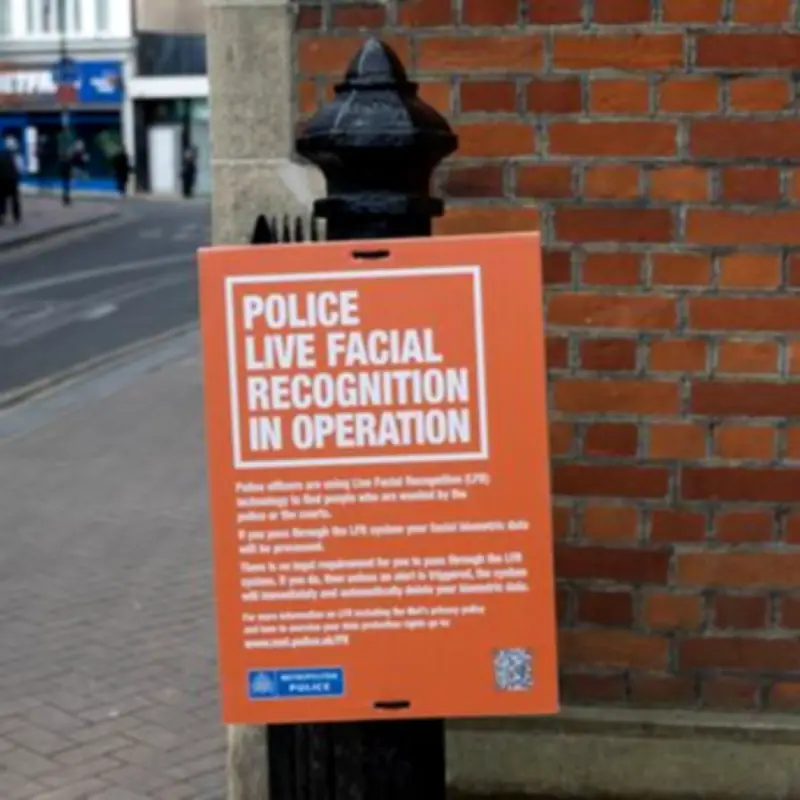
The Metropolitan Police is set to deploy static live facial recognition cameras across London's West End and Soho in a crackdown on theft hotspots, building on the success of a pilot in Croydon that resulted in 173 arrests. Commissioner Sir Mark Rowley is expected to announce the expansion on Wednesday, citing the technology as transformative for high-crime areas.
Expansion to West End and Soho
The cameras will be installed before the end of 2026 in districts identified as having the most severe crime levels. The West End attracts an estimated 500,000 to 600,000 daily visitors, totalling over 200 million annual visits, including domestic shoppers, international tourists, employees, and local Londoners. While the cameras are stationary, they can be relocated as criminal patterns change.
The force will also collaborate with local authorities to identify further high-crime zones, with proposals to fast-track camera deployment across wider London from 2027.

Success of Croydon Pilot
In Croydon, officers deployed static cameras across 24 separate operations between October 2025 and March 2026, resulting in 173 arrests. Importantly, 61% of the offences linked to arrests were committed in the south London borough, demonstrating the pilot's effectiveness in keeping specific hotspot areas secure. More than 470,000 people passed the camera during this period, with only one false alert recorded, which was quickly resolved.
The Met has secured over 2,000 arrests using live facial recognition cameras since the beginning of 2024, removing rapists, sex offenders, and persistent shoplifters from London's streets.
Commissioner's Statement
Sir Mark Rowley said: "Facial recognition is one of the most revolutionary technology advances in policing in recent years. Public confidence in this is clear - around 80% of Londoners support its use. That backing reflects a simple truth: it works. We have already seen the impact in Croydon, where a six-month pilot delivered over 170 arrests, a reduction in crime, and a significant fall in violence against women and girls. All these results with only one false alert among hundreds of thousands of people. The technology supports officers to target wanted criminals and registered sex offenders. Crucially it is supporting officers - not replacing them."
He added: "Now we're taking that capability further. We want to build on our success by introducing this capability to the West End and Soho by December. The use of static cameras will help us continue cutting crime in high-footfall areas in central London. We also have to be clear about the threat we face - criminals are not standing still. They are quick to exploit new technology to commit offences, evade detection and target victims at scale. Policing cannot afford to fall behind and this is another step towards tackling that."
Part of Precision Policing Strategy
Facial recognition technology is a key element of the Met's precision policing strategy, which uses data and innovation to locate those causing the most harm, protect victims, and cut crime. The rollout will be detailed in a speech by Sir Mark Rowley in partnership with the Police Foundation, focusing on the future of policing reform and technology's role in delivering more effective, visible, and transparent policing across London.