Charlie Kirk Murder Defendant Moves to Ban Cameras from Courtroom
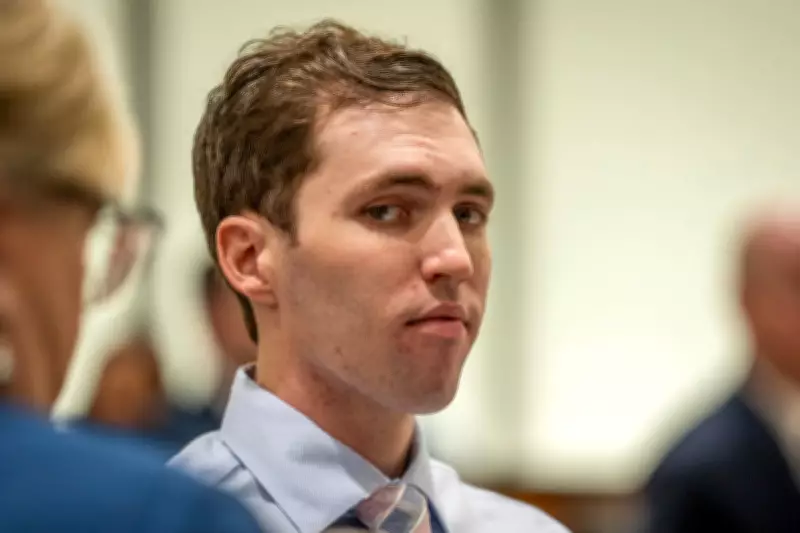
Tyler Robinson, the man charged with the murder of prominent conservative activist Charlie Kirk, has launched a legal bid to prohibit cameras from broadcasting his courtroom proceedings. His defence team contends that live streams are compromising his constitutional right to a fair trial by influencing potential jurors through sensationalised media coverage.
Prosecutors Pursue Capital Punishment in High-Profile Case
Prosecutors have formally declared their intention to seek the death penalty against Mr Robinson, who celebrated his 23rd birthday on Thursday, should he be convicted of the aggravated murder. The shooting occurred on 10 September while Mr Kirk was addressing a crowd of thousands at Utah Valley University in Orem. Mr Robinson has not yet entered a formal plea to the charges.
The defence's motion highlights a specific New York Post article as a primary example of prejudicial reporting. The story allegedly cited a "lip reading analysis" of an inaudible conversation between Mr Robinson and his attorneys on 11 December, falsely claiming it contained a confession. "I think about the shooting daily" was the purported statement, which the defence vehemently denies was ever uttered.

Battle Over Courtroom Transparency and Media Sensationalism
In their filing, Mr Robinson's attorneys argued, "The predominant purpose being served by the live stream coverage has not been the educational reporting of the court proceedings, but rather advertising profit, sensationalism, political agendas, and, most prominently, the vilification of Mr. Robinson." They are scheduled to present this argument in court on Friday.
Opposing the camera ban are media organisations, prosecutors, and Erika Kirk, the widow of the victim. They assert that maintaining transparency through broadcast access is the most effective method to combat misinformation and conspiracy theories, which are the very concerns raised by the defence.
Judge Graf's Ongoing Scrutiny of Livestreaming Protocols
The livestreaming has already prompted judicial intervention. Judge Tony Graf temporarily halted a broadcast during a December hearing after a camera revealed the defendant's shackles, violating a courtroom decorum order. A subsequent hearing in January was interrupted when defence lawyers raised alarms that close-up shots by a local television station could again fuel speculative lip-reading claims. Judge Graf deemed this another breach and instructed the camera operator to cease filming Mr Robinson for the remainder of that session.
Mike Judd, representing a media coalition including The Associated Press that is fighting to preserve camera access, noted that Judge Graf has so far focused on enforcing internal courtroom rules rather than regulating external media commentary. "The court can do all of that in order to try to control what gets fed into that media ecosystem," Judd stated. "You reduce the likelihood of somebody publishing things that you think may be of potentially biasing concern later on."
Legal Precedents and Evidentiary Complexities
Camera and livestreaming policies vary significantly across states, with Utah granting judges considerable discretion. Federal courts typically prohibit cameras altogether. University of Utah law professor Teneille Brown explained, "There's Supreme Court precedent that says courts generally need to be open to the public, but that's not an absolute right. Even if they allow public access, that does not equal a right to broadcast or record."
Meanwhile, Mr Robinson's legal team is also seeking to delay his preliminary hearing scheduled for May, where prosecutors must demonstrate sufficient evidence to proceed to trial. Prosecutors have cited forensic evidence, including DNA consistent with Mr Robinson's found on the rifle's trigger, a fired cartridge casing, two unfired cartridges, and a towel used to wrap the weapon.
Defence attorneys counter that forensic reports indicate the presence of multiple individuals' DNA on some items, necessitating a more intricate analysis. Additionally, prosecutors allege Mr Robinson sent a text message to his romantic partner stating he targeted Mr Kirk because he "had enough of his hatred," adding another layer to the prosecution's narrative.