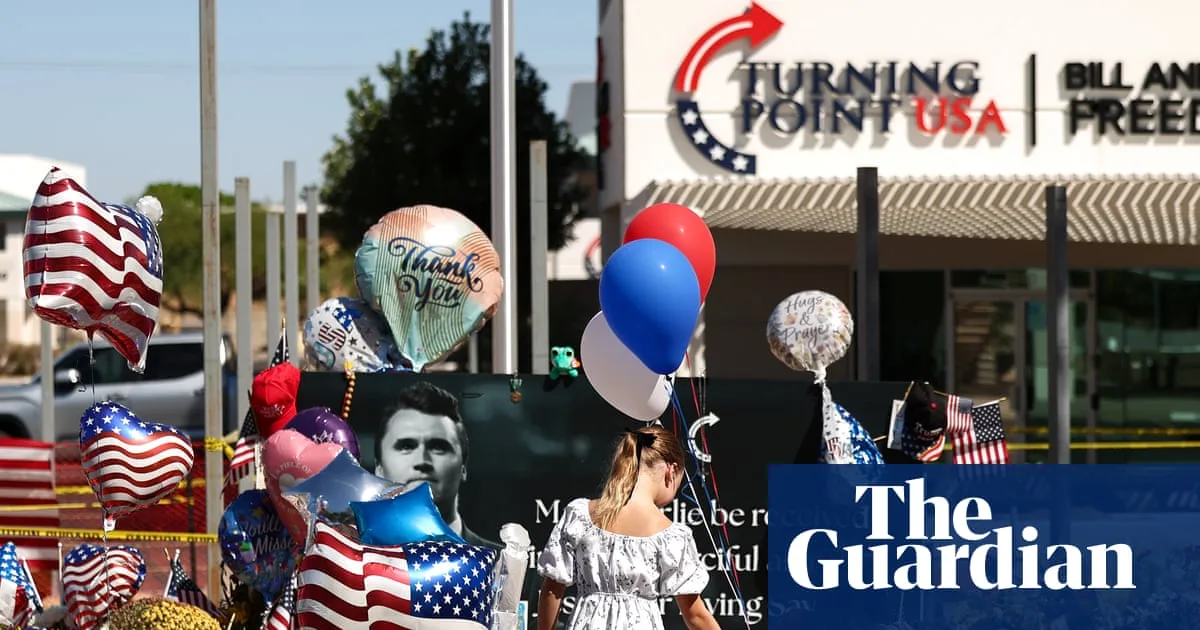
Forensic Dispute Emerges in Charlie Kirk Assassination Case
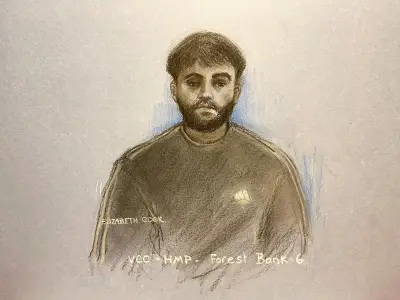
A critical forensic claim regarding the bullet that killed prominent US commentator Charlie Kirk has introduced substantial uncertainty into the prosecution of his accused killer, according to recent court filings. Tyler Robinson, aged 22, faces capital murder charges and a potential death sentence for the fatal shooting of Kirk, a father-of-two, at Utah Valley University in September last year.
Prosecutors allege Robinson drove three hours to the campus specifically to carry out the assassination. However, in a motion submitted to the court, Robinson's defence team has asserted that the Bureau of Alcohol, Tobacco, Firearms, and Explosives (ATF) was unable to conclusively connect the fatal bullet recovered during autopsy to the rifle allegedly tied to the suspect.
Defence Challenges Ballistic and DNA Evidence
The defence motion states explicitly that the ATF "was unable to identify the bullet recovered at autopsy to the rifle allegedly tied to Mr Robinson." This revelation forms the cornerstone of their strategy to delay the preliminary hearing by at least six months, allowing for further forensic examination.
Lawyers plan to rely on testimony from a government firearms analyst as potential exculpatory evidence. Additionally, the filing highlights complexities in DNA evidence gathered by the FBI and ATF, with reports indicating multiple DNA profiles were found on items linked to the case.
"Determining the number of contributors to a DNA mixture and evaluating whether validated scientific procedures were reliably applied is a complicated process requiring various experts," the filing explains, noting the need for forensic biologists, geneticists, system engineers, and statisticians to review the material.
Massive Evidence Review Underway
Defence attorneys report having received approximately 20,000 files of evidence, including audio, video, and written materials. However, they emphasize that significant work remains, stating that a comprehensive review to identify missing materials will take hundreds of hours.
"The defence team is realistic, and the comprehensive review required to determine what is missing will take hundreds of hours," the filing asserts. It further notes that Robinson has not yet received the complete forensic case files and data necessary for expert investigation of scientific reports the state intends to present.
Prosecution's Evidence and Robinson's Alleged Communications
Prosecutors are expected to present evidence through law-enforcement witnesses in several categories, including forensic DNA and ballistic reports, social media data, and crime scene testimony. This may also involve statements from Robinson's parents and roommate, alongside what the defence describes as "a significant amount of hearsay" from non-testifying officers.
Robinson was arrested after his father, Matt Robinson, recognized a distinctive rifle in police-released images during the manhunt. The weapon had reportedly been gifted to the suspect by his grandfather. Court documents detail that Matt Robinson contacted his son after identifying the firearm and requested a photograph, which Tyler could not provide.
The filings also reveal a series of text messages allegedly sent by Robinson to his roommate and partner, Lance Twiggs, following the killing. In these exchanges, Robinson appeared to describe attempts to retrieve the rifle from a "drop point," expressing concern about leaving it behind and potential fingerprints.
"I'm worried what my old man would do if I didn’t bring back grandpas rifle… I worry about prints I had to leave it in a bush," he allegedly wrote. Robinson is also said to have warned Twiggs to delete their messages, noting his father was attempting to contact him about the weapon. Authorities state Robinson later confessed to his father, who then contacted police.
As the defence pushes for a delay to scrutinize forensic inconsistencies, the case against Tyler Robinson faces mounting challenges that could significantly impact the trajectory of this high-profile murder trial.