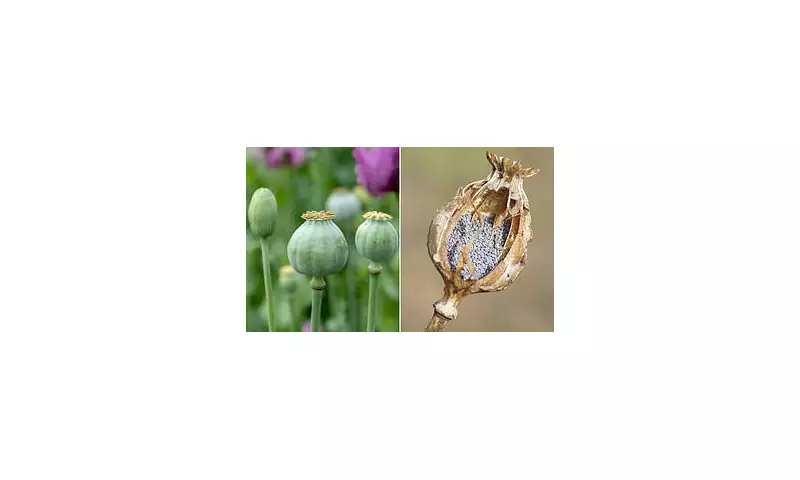
Authorities in Tasmania have issued an urgent public health warning after a significant quantity of poppy capsules was stolen from a legally regulated crop, with fears the potentially lethal plant material has entered the public domain.
Details of the Dangerous Theft
The theft occurred between Friday and Monday from a regulated poppy field growing between Tunbridge and Campbell Town in the state's Northern Midlands. Tasmania Police believe one or more vehicles were parked beside the crop during this period. The vehicle would have been visible from the busy Midland Highway.
Investigators are particularly keen to hear from anyone who may have seen a black Volkswagen Golf parked on the highway's shoulder near poppy crops. They are also appealing to motorists who passed through the area with a dash camera operating, as the footage could prove crucial.

Severe Health Risks and Historical Precedents
On Wednesday afternoon, the Department of Health released a stark warning, stressing that poppy plants are toxic and that ingestion can be life-threatening, constituting a medical emergency. Unsafe consumption can lead to convulsions, asphyxiation, and death.
This is not an isolated concern. The flower has been linked to several fatalities in Tasmania, including the death of a Danish tourist in 2014 who drank tea made from the plant. In a separate incident in late 2022, at least eight people in New South Wales were hospitalised with poisoning symptoms after consuming large amounts of poppy seeds. Similar cases have been reported in other Australian states.
The Dual Nature of Tasmania's Poppy Industry
Poppies have been cultivated in Tasmania for decades under strict government regulation. The industry supplies multinational pharmaceutical companies, as the plant can be refined into powerful, essential narcotic medicines like morphine and codeine. Conversely, illegal drug producers use the same crop to manufacture heroin.
This incident highlights the dangerous duality of the plant. While poppy seeds are a common baking ingredient found in cakes and breads—where the baking process destroys naturally occurring chemicals—the raw plant material is extremely hazardous.
Police and health officials continue their investigations and urge the public to treat any unknown poppy material with extreme caution.