Courtroom Cameras Debate Reignited from Lindbergh to OJ and Charlie Kirk Case
The presence of cameras in American courtrooms has long provided a window into some of the nation's most sensational criminal proceedings, from the Lindbergh baby kidnapping trial to the O.J. Simpson double murder case. Now, the debate over whether cameras belong in court has been reignited by calls to bar them from the trial of Tyler Robinson, accused of killing conservative activist Charlie Kirk.
Transparency Versus Prejudice in the Charlie Kirk Case
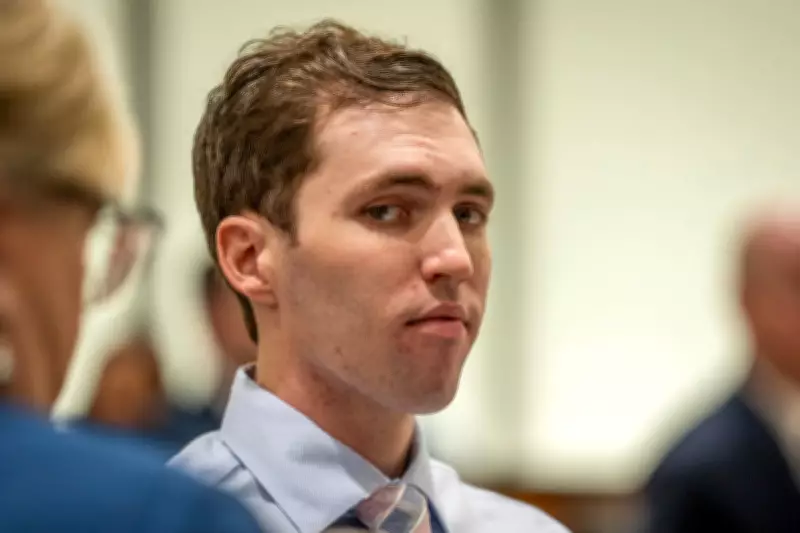
Robinson's attorneys are seeking to ban cameras from a Utah courtroom, arguing that sensationalist media coverage could foster widespread bias against their client. Robinson faces prosecution for the September shooting death of Kirk, who was shot in the neck while speaking to a crowd of thousands on a college campus. Prosecutors, however, want cameras allowed, suggesting they could help dispel conspiracy theories and "distorted narratives" surrounding the case.
"Transparency serves as a corrective to misinformation," Utah County prosecutors stated in a court filing. A trial date has not yet been set, but the dispute highlights the ongoing tension between public access and fair trial rights.

Historical Flashpoints: From Lindbergh to Estes
Cameras appeared in courts long before the 1935 trial of Bruno Richard Hauptmann, charged with kidnapping and killing aviator Charles Lindbergh's baby. Earlier, a German photographer feigned a broken arm to sneak a camera into the U.S. Supreme Court in 1932, capturing a rare image of justices in session. The Hauptmann trial, dubbed the "trial of the century," ushered in an era of criminal trials as visual spectacles, with hundreds of reporters and photographers chronicling the proceedings. Popping flashbulbs startled witnesses, and some photographers climbed on tables for pictures.
Hauptmann was convicted and executed, but the chaotic trial provoked a backlash, leading to new judicial ethics rules that kept cameras out of courtrooms for decades. In 1962, the trial of con man Billie Sol Estes in Texas reignited the debate. His attorneys argued cameras would prejudice jurors, but the judge allowed filming, pledging not to let the media turn his courtroom into a circus. Court documents later described the scene as "a mass of wires, television cameras, microphones and photographers."
After Estes' conviction, the Supreme Court overturned it, deriding "the evil of televised trials" and stating that allowing television to influence opinions before a verdict was "entirely foreign to our system of justice." This ruling aligned with a long-standing prohibition on cameras in federal courts.
Evolution and Restrictions in Modern Trials
Less than a decade later, the Supreme Court shifted its stance in a case involving Florida police officers, ruling 8-0 that states could allow cameras at criminal trials, citing no "empirical data" to show broadcast media inherently has a negative effect. Subsequently, cameras became common in state and local courtrooms, broadcasting high-profile cases like the trials of serial killers Ted Bundy and Jeffrey Dahmer, the Rodney King beating prosecutions, and the Jodi Arias murder trial.
However, restrictions persist, with judges typically retaining broad discretion over what can be broadcast. For example, Donald Trump's 2024 hush money trial was closed to cameras under New York state law, forcing media to rely on sketch artists.
The Made-for-TV Trial: O.J. Simpson's Legacy
Arguably the most watched televised trial remains the 1995 prosecution of O.J. Simpson for the deaths of Nicole Brown Simpson and Ron Goldman. Also known as the "trial of the century," it holds a Guinness World Record for the "most viewed trial," with a daily average viewership of 5.5 million people. The months-long case inundated viewers with testimony and analysis, leading to Simpson's acquittal.
The intense focus raised concerns about potential juror bias and whether participants acted differently knowing they were being watched nationally. "People were talking about how the judge and the attorneys were playing to the cameras as much as they were playing to the jury," said Cornell Law School professor Valerie Hans.

As the Charlie Kirk case moves forward, it continues a century-long debate over the role of cameras in courtrooms, balancing transparency against the risks of sensationalism and prejudice in the pursuit of justice.