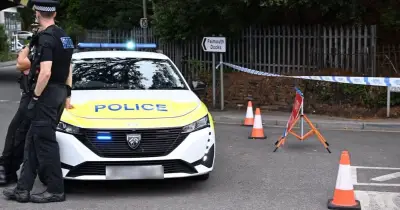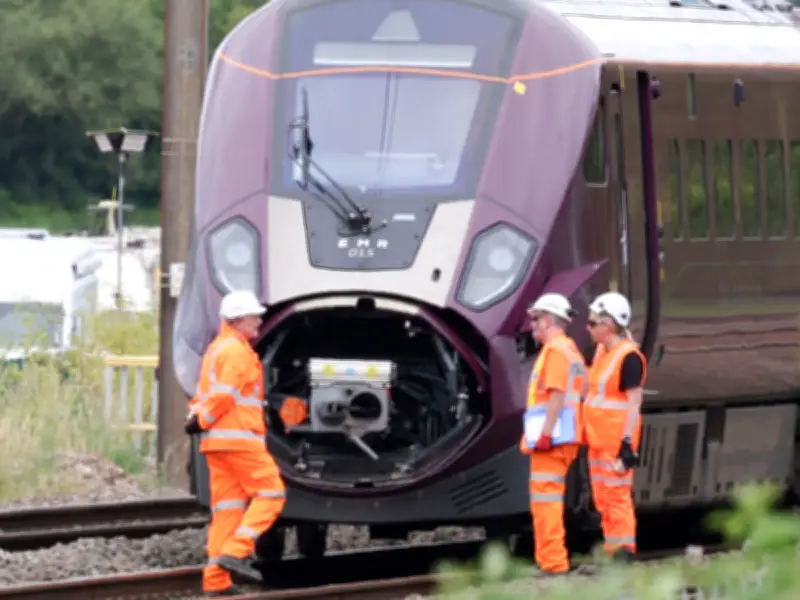
Specialist investigators are working to establish the cause of the Bedford train crash that killed one driver and left 99 people injured, including 32 seriously and 11 very seriously. Twenty-eight people remain in hospital, nine in critical condition, just over 24 hours after two London-bound trains collided on the Midland Mainline south of Bedford shortly after 5 p.m. on Friday.
Probe Focuses on Signalling and Human Error
Experts from British Transport Police (BTP) and the Rail Accident Investigations Branch (RAIB) are examining both trains and the railway to determine how and why the collision occurred, including whether a signalling issue or human error was to blame. The 4:40 p.m. service from Corby, heading toward Luton Airport, rear-ended the 3:50 p.m. train from Nottingham after the Nottingham train stopped at a signal.
In a statement, an RAIB spokesperson said: "Inspectors continue to gather evidence at the site of yesterday's collision between two trains near Elstow. RAIB will conduct a full, independent safety investigation into this tragic accident. We will provide a further update in the coming days once we know more."
Government and Union Responses
Transport Secretary Heidi Alexander urged against speculation, stating: "It is too early to speculate and that's why it's so important that the inspectors from the rail accident investigation branch were there very quickly. They will do a thorough piece of work to establish the cause of this incident and to make sure that those lessons are learned." The train driver, who died at the scene, has not yet been named. He was piloting the Corby train, the general secretary of the train drivers' union Aslef confirmed.
Prime Minister Keir Starmer spoke to the CEO of the East of England Ambulance Service Trust, expressing gratitude to air ambulance crews, emergency services, and NHS staff. King Charles was said to be "greatly saddened" by the crash, with a spokesperson adding: "His Majesty is greatly saddened by the rail crash in Bedford yesterday evening and is being kept regularly updated on developments."
Emergency Response and Passenger Accounts
The crash led to a major incident declaration, with more than 20 ambulances, six air ambulances, over 70 firefighters, the National Air Service, and workers from National Rail and East Midlands Railway responding. Lucy D'Orsi, chief constable of BTP, thanked responders for their "incredible work in tragic and challenging circumstances" and praised local people for their kindness to stranded passengers.
Passenger Mareks Grabovskis, a construction site manager, described a miracle escape after moving to the last carriage at the last second. He said: "I was about to board the first carriage, but there were too many people because the train only had four carriages, so at the last second I moved to the last carriage." He went flying during the collision, passed out, and woke to see people "covered in blood" and screaming. He called the onboard ticket inspector a "hero" who checked on passengers despite being in pain.
Aleister Adamson, on the Nottingham train, said passengers screamed as they were "thrown around" and admitted: "I thought I was going to die." He described hearing "a bang and another bang" and assumed the Corby train had "hit our rear most carriage creating a chain effect." Teacher Brett Byatt, traveling in the second carriage, saw multiple passengers covered in blood, including a woman with a completely snapped leg.
Recovery and Investigation Ongoing
Paul Gates, Deputy Chief Paramedic at the East of England Ambulance Service, said 64 people were transported to six hospitals. A portion of Network Rail's East Midlands route remained closed while damage was assessed. Route director Mark Budden expressed deep sadness at the loss of a colleague and said Network Rail is working with partners to ensure victims receive care as an "absolute priority."
Ellie Burrows, Regional Managing Director Network Rail East, described the recovery as "complex" and confirmed that investigators will examine wreckage on site before carriages are removed for further analysis. She said: "We have significant railway resources deployed on the ground and teams from across the industry are working closely together to support the response, recover the railway safely and minimise disruption wherever possible."