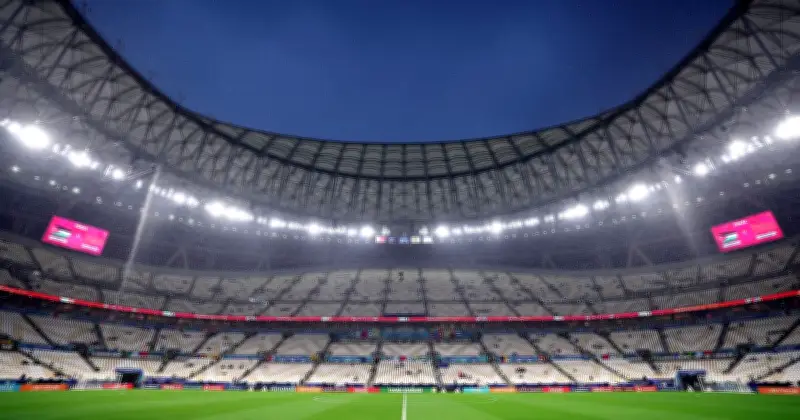
The Lusail Stadium, which hosted the 2022 World Cup final between Argentina and France, is set to undergo a dramatic transformation that will see its capacity slashed by nearly half. According to The Sun, approximately 40,000 seats will be removed, reducing the stadium's capacity from 89,000 to around 49,000. The iconic venue, built specifically for the tournament, will be repurposed into a mixed-use community space featuring schools, shops, cafes, health clinics, and residential housing.
From World Cup Glory to Community Hub
The stadium, located north of Doha, was constructed between 2017 and 2021 at a cost of roughly £574 million. It hosted 10 matches during the 2022 World Cup, including the memorable final where Argentina defeated France on penalties. The venue also staged the opening match and final of the 2023 Asian Cup. However, with no permanent sporting tenant and infrequent use, the Qatar Football Association has decided to downsize the arena significantly.
A source familiar with the plans told The Sun: "The stadium will be transformed into a vibrant community hub. The capacity reduction is necessary to make the space more sustainable and useful for the local population." The removal of seats will allow for the construction of new facilities, including educational and commercial spaces.

Environmental and Operational Considerations
Like many World Cup venues in Qatar, Lusail Stadium was designed with sustainability in mind, featuring solar-powered cooling systems and a claimed zero carbon footprint. However, the lack of a regular football club tenant has made it difficult to justify maintaining such a large capacity. Qatar's national team rarely plays at Lusail, preferring the Jassim bin Hamad Stadium in Al Rayyan for most home fixtures.
The stadium was also scheduled to host the 2026 Finalissima between Argentina and Spain, but the match was cancelled due to regional conflict. The transformation is expected to begin in the coming months and will fundamentally alter the stadium's appearance and functionality.
Impact on Qatar's Sporting Legacy
The reduction in capacity marks a significant shift for a venue that was once the centerpiece of Qatar's World Cup hosting. While the stadium will continue to host occasional international matches and tournaments, its primary role will shift to serving the local community. The project reflects a broader trend among World Cup host nations to repurpose large-scale sporting infrastructure after the event, ensuring long-term utility and sustainability.