
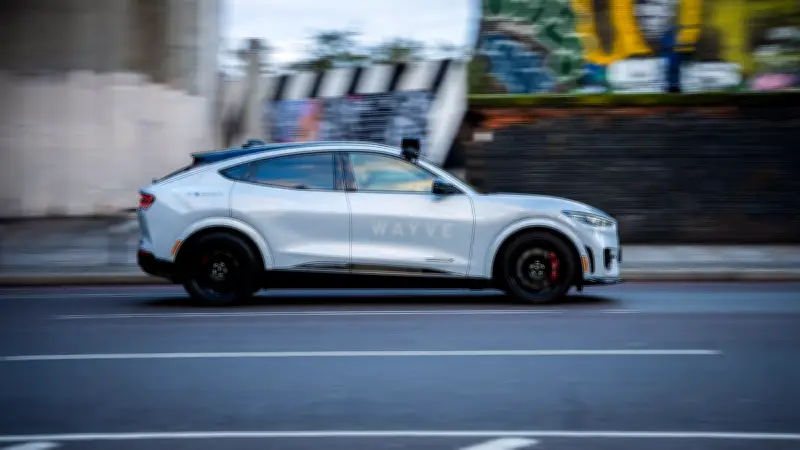
A former Transport for London (TfL) director has cautioned that the introduction of driverless 'robotaxis' in London could worsen congestion and delay buses, urging policymakers to follow Oslo's example. The London Assembly Transport Committee is currently investigating the impact of self-driving taxis on traffic and regulation.
Concerns Over Robotaxis in London
Uber and Wayve plan to launch paid robotaxi services in London this summer, initially with human drivers ready to take control, and full autonomy once safety is proven. However, there are fears that a proliferation of these vehicles could undermine the Mayor's Transport Strategy (MTS), which aims for a 15% traffic reduction and 80% of trips via public or active transport.
Evidence Session Insights
During the first evidence session of the Transport Committee, Thomas Ableman, former Director of Strategy and Innovation at TfL, stated that autonomous vehicles could contribute positively to the MTS only with proper and timely regulation. He suggested that London should look to Oslo, where since 2019, autonomous vehicles have been integrated into the public transport network, serving areas with poor connectivity and linking to rail and bus hubs.
Ableman warned against simply adding another private hire fleet, which would increase vehicle numbers, delay buses, and encourage more driving. He emphasized that commercial operators would focus on busy areas, worsening congestion. Instead, the Oslo model prioritizes areas with low demand and congestion, connecting them to existing metro and tram networks.
He noted that Oslo has achieved Vision Zero in some years, eliminating deaths and serious injuries from transport. Ableman also stressed that policymakers have a limited window to establish clear regulation before costs fall and robotaxis flood the streets, potentially leading to a point of no return.
Need for Regulation
Professor Jack Stilgoe from University College London called for legislative levers to control robotaxi numbers. Some political groups, including the Greens in Brent, have campaigned against trials due to impacts on London's taxi trade. Concerns were also raised after a Waymo vehicle entered an active crime scene in Harlesden.
Conservative Assembly Member Thomas Turrell expressed doubts about London's preparedness for self-driving cars. A spokesperson for the Mayor stated a commitment to harnessing opportunities while recognizing potential negative impacts on jobs and the economy, ensuring introduction works for all Londoners. TfL was contacted for comment.




