
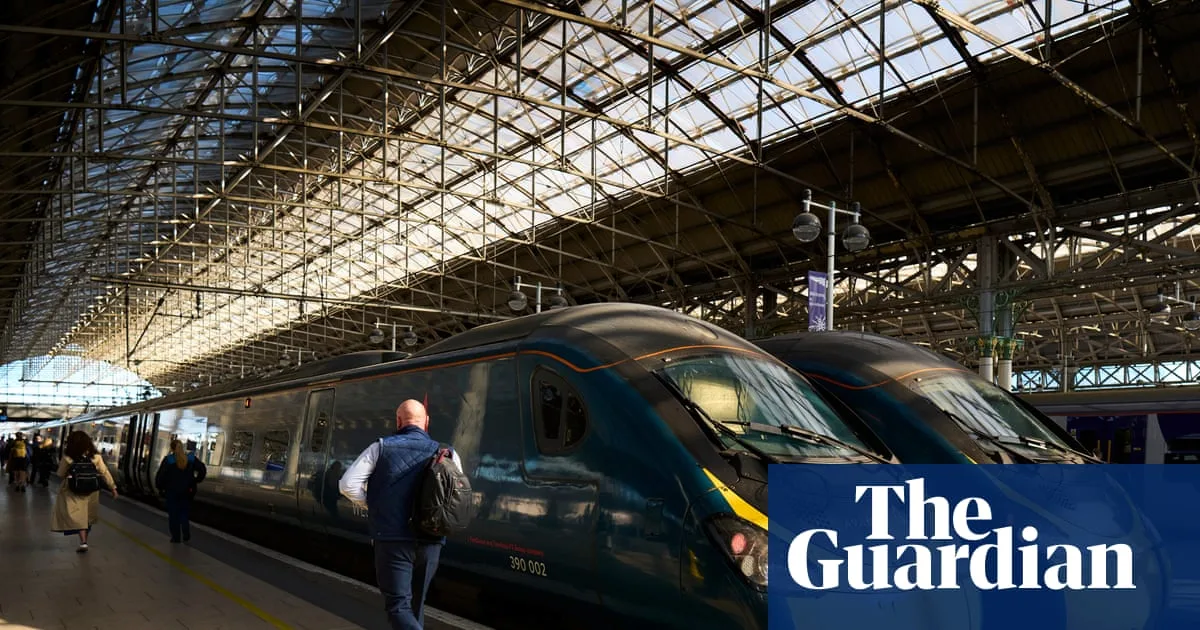
A high-speed train service between Manchester and London will continue to operate from mid-December, but without passengers, after the rail regulator removed it from the timetable. The 7am Avanti West Coast service from Manchester Piccadilly to London Euston, one of the fastest and most lucrative intercity routes, was axed by the Office of Rail and Road (ORR) as part of a timetable shake-up. However, the train and its crew will still run empty each weekday because they are rostered to operate subsequent services from Euston under the new schedule.
The situation is expected to last for at least five months until the next timetable change in May 2025, meaning the service could run without passengers more than 100 times. Industry insiders have expressed frustration, with rail expert Tony Miles noting: “It will be on the platform – people will be able to see it, touch it, watch it leave. But they won’t be able to get on. The taxpayer will be paying five days a week for empty trains.” The service, which completed the journey in one hour 59 minutes, had been a major marketing asset since its introduction in 2008.
Avanti West Coast, which supported the continuation of the passenger service, confirmed its disappointment. A spokesperson said: “We are disappointed with the Office of Rail and Road’s decision not to grant access rights from December for four weekday services that we currently operate, including the 07.00 from Manchester to London fast service… This will clearly impact those customers who already use these services.” The ORR defended its decision, stating it was based on evidence that adding the service within ‘firebreak paths’ on the west coast mainline would harm performance. Operating the train as empty stock allows more flexibility for recovery during disruption.
The axed service was priced at £193 for a single standard-class fare and £290 for first class, making it a significant revenue earner. Business travellers from the north will lose the convenient arrival just before 9am. The new timetable, effective from 15 December, primarily affects the east coast mainline but is intended to improve overall reliability after the disruption caused by the 2018 timetable fiasco. New open-access services by Lumo to Stirling also contributed to the decision.




