Heathrow Airport Completes Major £1 Billion Security Scanner Upgrade
Heathrow Airport has announced the successful completion of a monumental £1 billion investment programme to install new generation CT security scanners across all its terminals. This technological advancement represents a significant shift in airport security procedures for millions of passengers travelling through the UK's busiest aviation hub.
End of Liquid and Laptop Removal Requirements
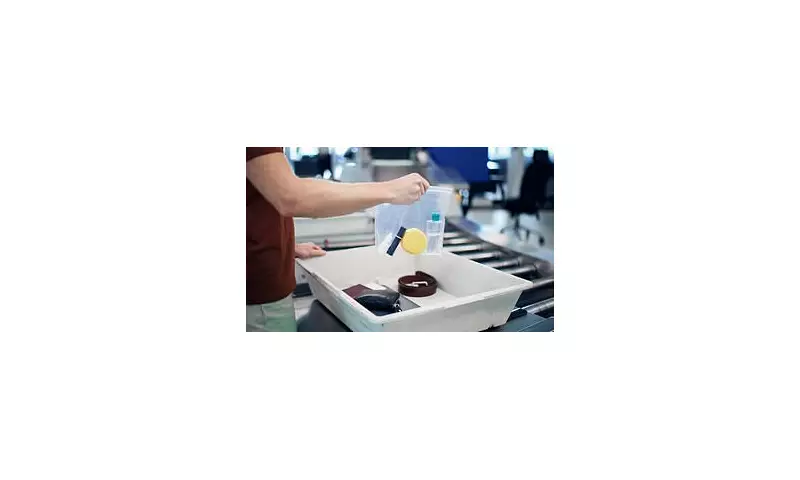
The deployment of these sophisticated scanners means passengers can now keep liquids and large electronic devices securely within their hand luggage when passing through security checkpoints. Laptops and tablets no longer need to be removed from bags, while the longstanding requirement to use clear plastic bags for liquids has been completely abolished.
Each liquid container can now hold up to two litres, a substantial increase from the previous 100ml limit that has been in place since 2006. This change applies to all liquid products including creams, gels, sprays, pastes, and aerosols that passengers carry in their cabin baggage.

Advanced Technology Driving Change
The transformation in security procedures is made possible by modern computed tomography (CT) security scanners that produce highly detailed, three-dimensional images of luggage contents. These advanced systems provide security staff with significantly improved visibility compared to previous scanning technology, enabling more thorough threat detection without requiring passengers to unpack their belongings.
Heathrow has proudly declared itself the largest airport in the world to deploy this technology for all passengers, marking a milestone in aviation security innovation. The airport estimates this change will save nearly 16 million single-use plastic bags annually, contributing to environmental sustainability efforts.
UK Airport Rollout Progress
Several other major UK airports have already completed similar scanner rollouts, including Birmingham, Bristol, Gatwick, and Edinburgh airports. Gatwick implemented its new system in April last year, while other airports including London City, Luton, and Teesside have partially deployed the technology but remain limited to 100ml containers pending full regulatory approval of their specific systems.
The original deadline for most major UK airports to deploy new scanners was set for December 2022 by then-Prime Minister Boris Johnson in August 2019. However, following significant disruption to the aviation industry during coronavirus travel restrictions, then-Transport Secretary Mark Harper extended the deadline to June 2024. Several airports received further extensions due to supply chain delays affecting equipment installation.
Historical Context and Benefits
The strict liquid rules were originally introduced in 2006 following a foiled terror plot targeting transatlantic flights from London to the United States using homemade liquid explosives. For nearly two decades, these regulations have required passengers to limit liquids to 100ml containers placed in clear plastic bags while removing larger electronic devices for separate screening.
Heathrow Chief Executive Thomas Woldbye commented: 'Every Heathrow passenger can now leave their liquids and laptops in their bags at security as we become the largest airport in the world to roll out the latest security scanning technology. That means less time preparing for security and more time enjoying their journey - and millions fewer single-use plastic bags.'
He added: 'This billion-pound investment means our customers can be confident they will continue to have a great experience at Heathrow.'
The airport anticipates that the streamlined security process will significantly reduce passenger preparation time and decrease delays at security checkpoints, where non-compliance with previous complex rules was consistently one of the biggest causes of hold-ups. This represents a major step forward in improving the overall travel experience while maintaining rigorous security standards.