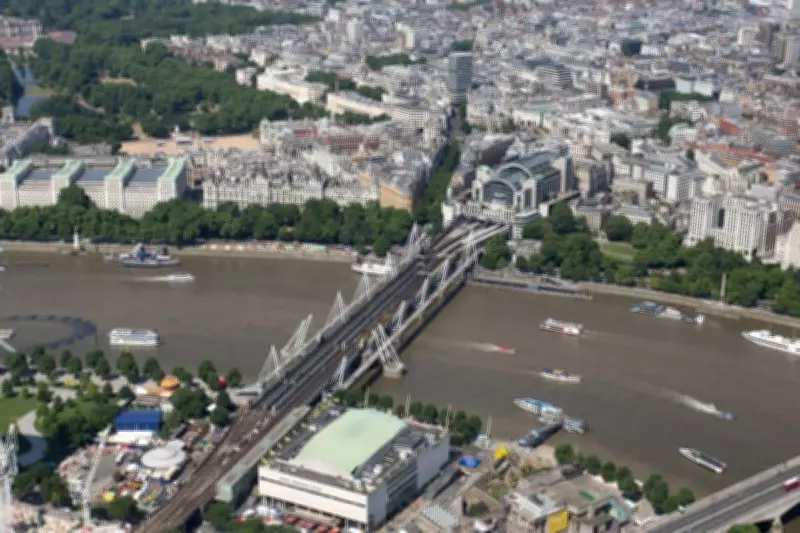
Two of London's key railway stations are set to undergo a significant closure this summer, with extensive maintenance works planned to replace aging infrastructure and improve reliability for passengers.
Station Closures and Duration
Charing Cross and Waterloo East stations will be completely shut down for a period of 22 days, spanning from Sunday 26 July to Sunday 16 August. This extended closure is part of a major upgrade project by Network Rail, aimed at addressing long-standing issues with the rail network in the capital.
Impact on Travel and Alternative Routes
While trains will continue to operate on alternative routes into London, passengers should anticipate longer journey times and changes to their usual travel patterns. Southeastern services that typically terminate at Charing Cross will be rerouted to London Victoria, London Cannon Street, and London Blackfriars, with some trains ending at London Bridge.

To mitigate inconvenience, tickets will be accepted across all alternative rail routes, as well as on the London Underground and London buses. Network Rail advises travelers to plan ahead and consider how these adjustments might affect their commutes or leisure trips during the closure period.
Reasons for the Closure
The primary reason for the shutdown is the replacement of 1,800 metres of "life-expired" track between Waterloo East and Charing Cross. This track, last replaced in the early 1990s, has been a source of frequent delays, causing over a hundred hours of disruptions due to faults on the approaches to Charing Cross.
In addition to the track replacement, Waterloo East will receive drainage improvements, and structural repairs will be carried out on Hungerford Bridge, which crosses the River Thames. These combined works are designed to tackle multiple issues simultaneously, reducing the need for future closures and enhancing overall railway reliability.
Strategic Timing and Operational Decisions
Network Rail has opted for a continuous 22-day closure during the summer months, citing lower commuter numbers due to school holidays and increased customer flexibility as key factors. This approach is seen as more efficient and less disruptive compared to spreading the works over multiple weekends or bank holidays.
Scott Brightwell, director of operations and safety at Southeastern Railway, emphasized the careful consideration behind this decision. He stated, "We know closing Charing Cross and Waterloo East for 22 days is a significant change, and we're sorry for the disruption it will cause. This is not a decision we've taken lightly. We've looked long and hard at every possible option, and although none of them are without impact, a single summer closure is the least disruptive and most efficient way to carry out this vital work."
Brightwell added, "This section of track is more than 35 years old and has caused thousands of minutes of delays for passengers in recent years. By replacing it now, and combining that with platform, drainage and bridge works, we're tackling the root causes of disruption in one go. This means fewer closures in the future and a more reliable railway for everyone who depends on these routes."
Collaboration and Passenger Support
Network Rail and Southeastern Railway are working closely with transport partners, local businesses, and communities to ensure minimal disruption. Efforts include extensive communication campaigns to keep passengers informed and supported throughout the closure period.
Brightwell concluded, "We're committed to ensuring customers are informed, supported and cared for throughout the 22-day closure. We are collaborating with various stakeholders to maintain mobility and provide alternative travel options."