Airbus has ordered immediate repairs to 6,000 of its A320 family jets, affecting more than half of the global fleet, after a mid-air incident prompted safety concerns. The European Union Aviation Safety Agency (EASA) issued the directive on Friday night as a precautionary measure, stating that 'safety is paramount'. The US Federal Aviation Administration also issued an emergency airworthiness directive for certain Airbus planes, requiring software modifications.
The fix primarily involves reverting to earlier software, which is relatively simple, but must be completed before the planes can fly again. A subset of the affected jets will require a more time-consuming hardware change, though Airbus said the number needing extensive fixes is smaller than initial estimates of 1,000. The recall is among the largest in Airbus's 55-year history and comes weeks after the A320 overtook the Boeing 737 as the most-delivered model.
Airlines worldwide have cancelled or delayed flights. In Australia, Jetstar cancelled 90 flights, leaving thousands stranded. ANA Holdings in Japan cancelled 65 flights on Saturday, with possible further cancellations. American Airlines, the largest A320 operator, said 209 of its 480 A320 aircraft need the fix, expecting most to be completed by Saturday. Delta, United, and Hawaiian Airlines reported minimal impact. In India, the Directorate General of Civil Aviation has told airlines not to fly A320s until modifications are carried out.
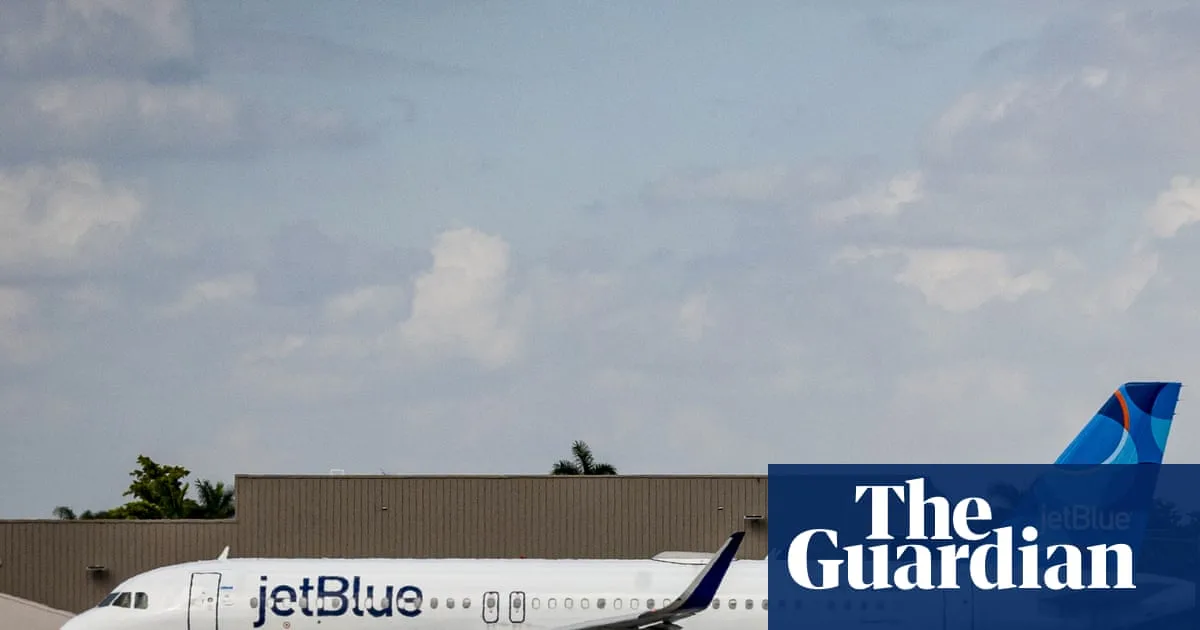
The recall was triggered by an incident on 30 October involving a JetBlue flight from Cancún to Newark, where intense solar radiation may have corrupted flight control data, causing a sudden drop in altitude that injured at least 15 passengers. The plane was diverted to Tampa, Florida. Airbus stated that the incident revealed a vulnerability to solar radiation.
Other affected airlines include Lufthansa, IndiGo, easyJet, Jazeera Airways, Air Arabia, and Avianca, which closed ticket sales until 8 December due to significant disruptions. British Airways reported only three affected aircraft with no operational impact. EasyJet completed software updates on many required aircraft and planned to operate normally on Saturday.