
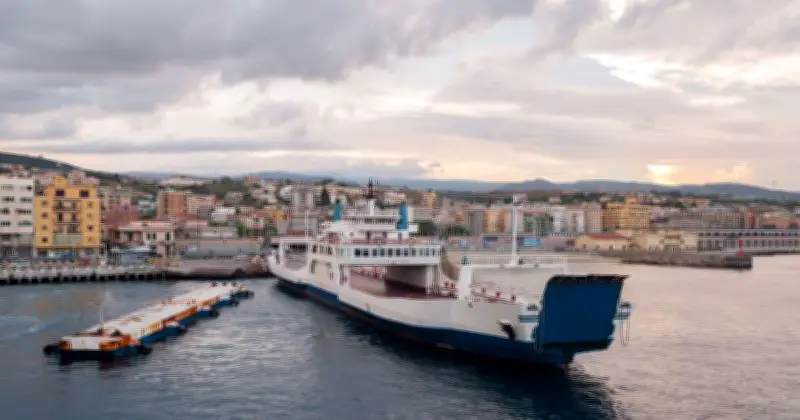
A proposed £12 billion suspension bridge, set to become the world's longest, may spell the end for Europe's last remaining railway service that boards a ferry as part of its journey. Trenitalia's Intercity Notte, a night train from Rome to Sicily, has become a cherished experience for rail enthusiasts, offering a 12-hour journey along Italy's west coast. At Villa San Giovanni, the train splits, with half loaded onto a ferry to cross the Strait of Messina. Passengers often wake up in Sicily without noticing the transition, though some set alarms to watch the sunrise from the ferry deck.
Bridge Plans and Challenges
The Strait of Messina Bridge, connecting Torre Faro in Sicily to Villa San Giovanni in Calabria, received final approval in August 2025. It would span 3,300 metres (just over two miles) with three road lanes in each direction, two service lanes, and two rail tracks. Expected completion is between 2032 and 2033. However, the strait is seismically active, requiring earthquake-proof engineering. The project also needs EU environmental approval and must address local property concerns.
Economic Impact and Opposition
Supporters claim the bridge could create 120,000 jobs annually in Sicily and Calabria. It would connect to nearly 25 miles of road and rail links, 80% through tunnels, and link to the Autostrada del Mediterraneo. However, some locals oppose it, calling it a "cathedral in the desert" without accompanying regional investment. The fate of the train-ferry service remains uncertain, urging rail enthusiasts to book soon.
Historical Context
Other European train-ferry services have ended, such as the Vogelfluglinie between Hamburg and Copenhagen (discontinued in 2019) and the Night Ferry from London Victoria to Paris Gare du Nord (1936–1980). Plans to resume UK sleeper services after the Channel Tunnel were abandoned due to budget airlines.




