UAE Oil Chief Slams Iran for 'Weaponising' Strait of Hormuz Amid Ceasefire
Sultan Al Jaber, the CEO of Abu Dhabi's state oil company Adnoc, has accused Iran of 'weaponising' the Strait of Hormuz, despite a recent US-Iran ceasefire announcement. He stated that the vital waterway remains 'restricted, conditioned, and controlled', rather than fully open, condemning this as a form of coercion that sets a dangerous precedent for global navigation and trade stability.
Impact on Global Oil Markets and Supply Chains
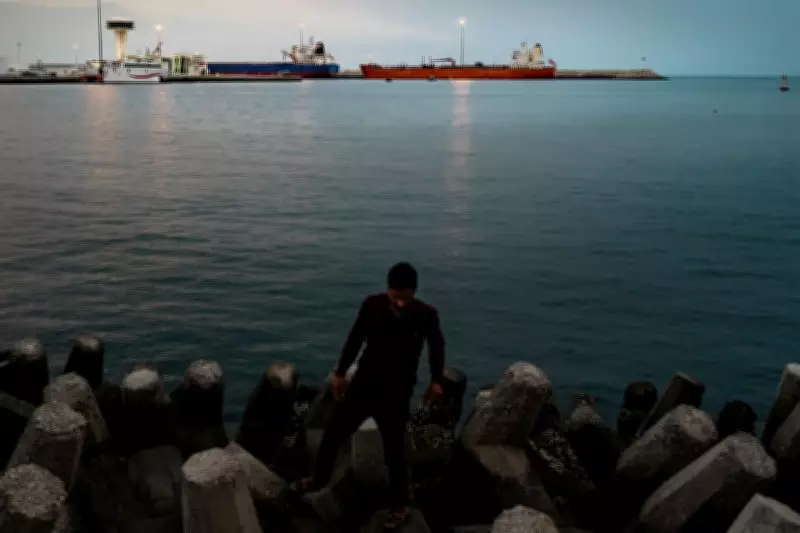
The restricted access has led to significant disruptions, with an estimated 230 vessels loaded with oil currently awaiting passage through the strait. This bottleneck is causing supply delays, tighter markets, and increased energy prices worldwide. The uncertainty has resulted in notable volatility in oil and gas markets, with Brent crude and US crude experiencing sharp price fluctuations.
Analysts report that initial relief following the two-week ceasefire announcement has quickly been replaced by doubts, as attention remains fixed on tanker movements through the Strait of Hormuz. While some Asian stock markets have seen gains, the broader economic impact is concerning, with Al Jaber emphasising that 'the weaponisation of this vital waterway, in any form, cannot stand'.

Broader Implications for International Trade
This situation underscores the strategic importance of the Strait of Hormuz for global trade and economic stability. The ongoing restrictions threaten to undermine principles of freedom of navigation, potentially leading to longer-term supply chain issues and heightened geopolitical tensions in the region.