Wild Stingray Encounters Offer Deep Connection with Nature and Māori Heritage
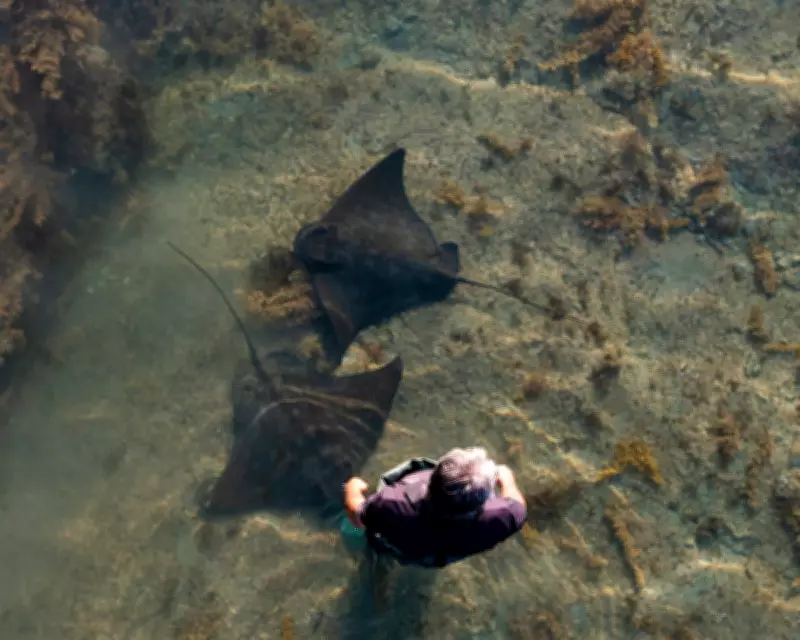
In the shallow reef waters near Gisborne on New Zealand's North Island, a unique eco-tourism experience allows visitors to interact directly with wild stingrays in their natural environment. Dive Tatapouri, the country's sole provider of such encounters, guides groups into the water where eagle rays and short-tailed stingrays—some weighing over 300 kilograms—glide gracefully to meet them.
A Transformative Experience for Visitors
Participants, often initially apprehensive, quickly find their fears replaced by awe as these gentle giants brush against their legs and feed from their hands. Bella, a 19-year-old visitor, described the stingrays as "big sea puppy pancakes" and noted the encounter was "the coolest thing I've ever seen." She emphasized how the experience changed her perspective, making it "unreal" to have such close, peaceful interaction with the species.
New Zealand hosts three coastal stingray species, commonly seen in harbours and along coastlines. However, opportunities for safe, respectful interaction in the wild remain rare globally, making this tour a distinctive attraction.

Ethical Eco-Tourism Rooted in Respect
Dean Savage, owner of Dive Tatapouri alongside his wife Chris, founded the business over two decades ago, transforming a former sea urchin processing facility into an eco-tourism venture. His lifelong affinity with stingrays, nurtured since childhood by watching his diver father, drives a philosophy centered on respect and sustainability.
"Stingrays are not just performing animals," Savage asserts. The animals are free to come and go, with the business carefully managing interactions to prevent dependency. Feeding is limited, and tours are paused for weeks or months annually to ensure the stingrays maintain natural foraging behaviours.
Visitors receive thorough briefings on handling the animals gently and must treat all reef creatures with respect, embodying the Māori concept of kaitiaki, or guardianship. Those who disrespect the animals are removed from the tour, reinforcing the commitment to ethical practices.
Cultural Significance and Conservation Advocacy
Stingrays, known as whai in Māori, hold profound cultural, spiritual, and ecological importance. The North Island, Te Ika-a-Māui, is likened to a stingray's shape, and many communities view them as protectors of the coast and shellfish. The tour educates visitors on this heritage, fostering deeper care and reconnection with nature.
Clinton Duffy, marine biology curator at Auckland Museum, acknowledges that wildlife tourism, when conducted responsibly, can serve as a "good conservation advocacy tool." He notes that education through such experiences benefits species by building empathy and awareness, with stingrays acting as "ambassadors for marine conservation."
Despite misconceptions fueled by high-profile incidents like the death of Steve Irwin, stingrays are curious, intelligent creatures. Duffy describes them as "gentle" and highlights their role in promoting marine conservation through positive human engagement.
Balancing Tourism with Environmental Stewardship
Concerns about wildlife tourism disrupting ecosystems or altering animal behaviour are addressed through Dive Tatapouri's careful protocols. By limiting interaction frequency and duration, Savage ensures the stingrays' wild instincts remain intact. The resident rays, some over 20 years old and named by the Savages, exhibit individual traits—from the boisterous Charlie to more laidback individuals.
This approach not only safeguards the animals but also enriches visitor experiences, offering a rare chance to connect with massive marine life in a setting of mutual respect. As Savage reflects, "It's a deep experience for a lot of people," highlighting the profound impact of encountering a 300-kilogram animal with "no ill intent."