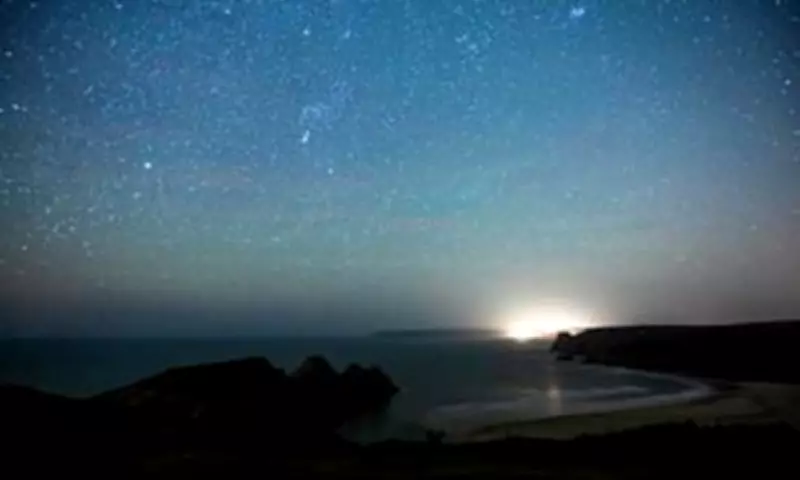
The stunning Welsh coastline has achieved global recognition as one of the planet's premier destinations for stargazing enthusiasts. Gower, located near Swansea Bay, has been formally designated as South Wales' inaugural International Dark Sky Community, marking a significant milestone for astronomical tourism in the region.
International Recognition for Pristine Skies
This prestigious certification comes from DarkSky International, a worldwide organisation dedicated to preserving dark sites and promoting the environmental, wildlife, and tourism benefits of natural night-time environments. With approximately 99 percent of Europe and the United States' populations now living under light-polluted skies, Gower's achievement stands out as particularly noteworthy.
Partnership Efforts Behind the Designation
The successful bid resulted from collaborative work between Swansea Council, the Welsh Government, Natural Resources Wales, the Gower Society, and local community groups. Substantial infrastructure improvements have been implemented, including the retrofitting of every street light across Gower with Dark Sky-compliant LED lanterns specifically designed to minimise light pollution.

Furthermore, new Welsh Good Practice guidance now mandates dark sky friendly lighting in all future developments, creating additional protections for the region's exceptional night skies. These measures ensure that Gower can maintain its status as home to some of Wales' most spectacular stargazing locations for generations to come.
Magical Night Sky Experiences
Gower boasts some of the clearest, least light-polluted skies in Wales, where the Milky Way stretches dramatically over ocean waves. The area features secluded beaches, rural commons, and expansive landscapes that provide uninterrupted celestial views. Visitors can spot constellations, planets, and on the darkest nights, even witness summer bioluminescence where glowing plankton illuminates shorelines at locations like Caswell, Three Cliffs, and Port Eynon.
Whether you're a seasoned astronomer with sophisticated equipment or a curious first-timer simply looking upward, Gower's night sky offers genuinely magical experiences accessible to all skill levels. The region provides the perfect setting for both casual observation and serious astronomical study.
Prime Stargazing Locations Across Gower
With this new designation in mind, several exceptional dark sky locations within Swansea Bay have been highlighted for their stellar viewing conditions:
- Port Eynon offers a dark sky gem with expansive skies, a wide bay, and unobstructed views across the Bristol Channel.
- Three Cliffs Bay provides wild, secluded settings for incredible stargazing, though visitors should exercise caution when navigating tidal pathways after dark.
- Oxwich features easy accessibility with ample space to spread out and nearby facilities, making it ideal for families and night-sky beginners.
- Rhossili Bay, famous as one of Britain's most spectacular coastal viewpoints by day, transforms into an expansive stage for meteor-watching after sunset, though caution is advised near cliff edges.
- Cefn Bryn, Gower's high sandstone ridge, offers 360-degree panoramic skies perfect for spotting constellations and passing satellites.
Perfect Timing for Celestial Observation
The recognition arrives at an ideal moment for astronomical tourism, with Welsh Dark Skies Week scheduled for February 13-22, 2026. This event provides the perfect opportunity for visitors to experience Gower's newly certified dark skies during organised activities and independent observation.
Stargazing represents an increasingly popular activity that connects people with the natural world while requiring minimal equipment. From identifying basic constellations to witnessing meteor showers and planetary alignments, Gower's protected dark skies offer unparalleled opportunities for cosmic discovery right here in Wales.