Temple Bar Dublin: A Deep Dive into the Iconic Pub District
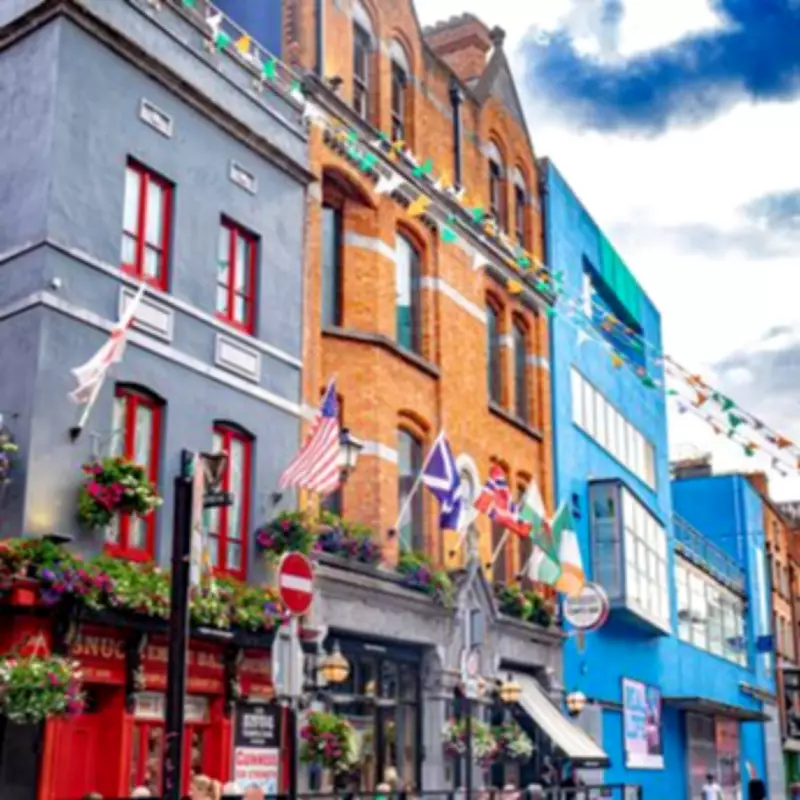
Dublin's Temple Bar district stands as one of the city's most famous and contentious areas, sparking fierce debate among visitors and locals alike. This iconic neighbourhood, nestled on the south bank of the River Liffey, draws approximately 3.5 million annual visits, yet opinions on its merits are sharply divided. Some praise its lively atmosphere and historic charm, while others dismiss it as a mere tourist trap with inflated prices.
The Price of Popularity: Temple Bar's Costly Reputation
Upon arriving in Dublin, our investigation began with a revealing conversation at the Guinness Storehouse. Morgan, our guide during a connoisseurs session, was unequivocal in his advice: "You don't need to be going there." He emphasised that Temple Bar represents the pinnacle of Dublin's pub pricing, with pints of Guinness edging towards ten Euros—significantly higher than elsewhere in the city. More critically, Morgan insisted these establishments do not serve the best Guinness available, directing visitors instead to authentic pubs like The Lord Edward in the Liberties area and The Long Hall in the city centre.
Local Perspectives: Balancing Criticism with Charm
Dublin tour guide Mary Phelan offered a more nuanced view. While agreeing that Temple Bar should not be a visitor's sole destination, she advocated for experiencing its unique energy. "Why not go and see it even if it's just strolling the main street which brings you up towards Christ Church," she suggested. Phelan highlighted several worthwhile spots within the area, including Darkey Kelly's on Fishamble Street—noted for being less crowded and offering food and music—and The Palace Bar on Fleet Street, historically associated with writers and journalists from nearby newspaper offices.

Beyond the pubs, Temple Bar boasts cultural attractions like the Irish Film Institute (IFI), the Icon Walk showcasing writers and public figures, and Merchants Arch leading to the Halfpenny Bridge. By day, the area transforms with boutiques, cafes, and landmarks such as Meeting House Square, which hosts a weekly Saturday food market and is surrounded by free-entry venues like The National Photographic Archive and The Gallery of Photography.
Historical Roots and Modern Reality
Temple Bar's significance predates its pub culture by centuries. The Vikings established a camp there in 795 AD, with remnants of their defences still visible at nearby Dublin Castle. The area's name originates from British diplomat Sir William Temple, who built a grand residence and gardens there in the early 1600s. Officially, Temple Bar encompasses a square with streets radiating in all directions, featuring narrow laneways that lead back to the river.
However, it is after dark that Temple Bar truly comes alive, especially on weekends. With the highest density of pubs in Dublin, the area buzzes with live music, singalongs, and vibrant crowds. While this atmosphere appeals to many tourists willing to pay a premium, our investigation concludes with a clear recommendation: venturing further afield offers more authentic experiences, better beer quality, and significantly lower prices.
For those planning a Dublin visit, exploring beyond Temple Bar reveals a richer tapestry of Irish culture and hospitality. The Cobblestone, located over the river from Temple Bar, is renowned for traditional music, while other local favourites provide deeper connections to Dublin's authentic pub scene.