Sin City: The Real Las Vegas - BBC Documentary Exposes the Dark Underbelly of America's Playground
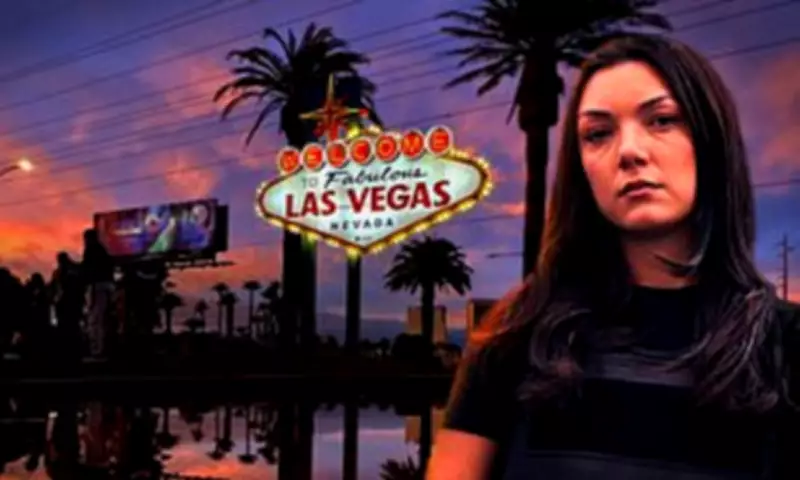
In the scorching heart of the Nevada desert, a new kind of attraction has dethroned the iconic casinos of Las Vegas. According to the revealing BBC documentary Sin City: The Real Las Vegas, repeated on Wednesday night on BBC1, it's the extravagant pool party that now reigns supreme. Reporter Tir Dhondy's investigation peels back the glittering facade to expose a world where high-octane fun often masks a much darker reality.
The Price of Paradise: From Sunbeds to Human Soup
The formula for making a million dollars a day in modern Vegas is deceptively simple. Invite crowds of tourists to stand thigh-deep in water, ply them with cheap cocktails, and label the experience as premium entertainment. These pool parties, where revellers wade in swimwear getting increasingly inebriated, have become the city's biggest draw. Yet, this manufactured paradise comes at a steep cost. A day's rental on a sunbed can set you back anywhere from $500 to a staggering $2,000 (£365 to £1,460).
Dhondy arrived at her first pool party in a lime-green limousine but notably kept her feet dry, seemingly unwilling to become just another ingredient in what she describes as the human soup. Her restraint highlights the often unappealing undercurrent of these events.

Excess and Exploitation: The New Vegas Glamour
Las Vegas has long held the title of America's tackiest town, a reputation dating back to the era of Elvis Presley's rhinestone jumpsuits. However, the documentary suggests that what passes for glamour today is seedier than ever. Events promoter Joel, a British expat, exemplified this shift. He handed Dhondy a gun that sprayed dollar bills and boasted of clients including adult entertainment stars who hired helicopters with machine guns to shoot targets in the desert.
The city's allure for stag parties is particularly grim, with promoters noting that visitors come primarily for sex shows and drugs. While Australians are reportedly the worst behaved, Brits are singled out for doing the most cocaine. This hedonistic culture has serious consequences. Dhondy interviewed one man whose girlfriend was hospitalised after two men spiked her drink at a pool party. The man himself was drugged by two women who robbed him in his hotel room. When he reported the crime, police merely laughed and asked what else he expected in Vegas.
Unheard Stories and Urban Desolation
Despite Dhondy's gift for winning confidence, the documentary sometimes feels like it only scratches the surface. She probes too lightly at times, even apologising for personal questions, leaving the viewer with a sense of stories left untold. One character who did speak freely was a tattooed YouTube celebrity, his face adorned with ink including a portrait of Salvador Dali on his neck. He claimed to be banned from every casino for winning too much money, alleging he saw through their subconscious tactics to make patrons lose.
His observation that as far as you can see, there's nothingness resonates deeply. For a town seemingly built on emptiness, Vegas offers some profoundly gruesome sights. Dhondy ventured into the storm drain tunnels beneath the city, meeting homeless individuals ravaged by drug addiction. One man lived under a sidewalk grill at the base of Caesar's Palace, looking up at the neon lights—a stark and brutal metaphor for the city's stark divides.
Sin City: The Real Las Vegas ultimately presents a compelling portrait of a destination where pool party decadence, criminal exploitation, and desperate poverty exist side-by-side under the relentless desert sun. It's a far cry from the family-friendly image once promoted, revealing a modern Vegas where the house always wins, and the cost is often more than just money.