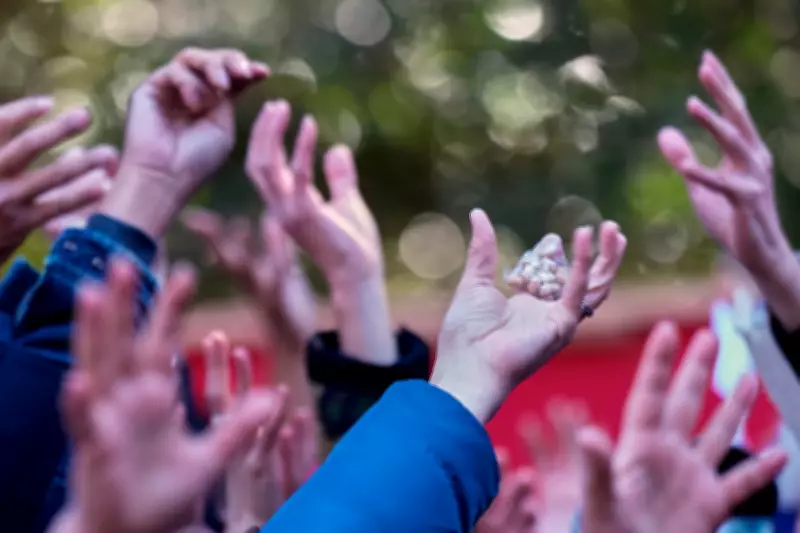
In a serene mountain setting, the ancient Hakone Shrine in Japan marked the traditional festival of Setsubun with the customary bean-throwing ceremony, a practice deeply rooted in the nation's cultural heritage. Scores of visitors braved the winter chill to participate in the ritual, known as "mame-maki," which aims to ward off evil spirits and invite good fortune as the lunar calendar transitions from winter to spring.
The Significance of Setsubun
Setsubun, which typically falls around February 3rd, heralds the eve of Risshun—the beginning of spring in Japan. Historically, the change of seasons was perceived as a precarious time when illness and misfortune could easily infiltrate daily life. To counteract this vulnerability, the Setsubun tradition emerged, involving the throwing of roasted soybeans at representations of demons to bring misfortune upon these loathed creatures and purify the environment.
Chants and Ceremonial Practices
As participants hurled the lucky beans, they recited the timeless chant, "Oni wa soto, fuku wa uchi," which translates to "demons out, fortune in." This practice is not only observed in family homes but also formalised in temples and shrines across the country. While the bean-throwing may appear playful, its origins are steeped in ancient purification rites, reflecting a profound spiritual intent to cleanse and protect the community.

Hakone Shrine's Historic Role
Founded over 1,200 years ago, Hakone Shrine is nestled beside Lake Ashi in the mountainous Kanagawa Prefecture, west of Tokyo. For centuries, it has served as a sanctuary for travellers crossing the treacherous mountain passes, who would stop to pray for protection against the region's sudden weather changes and challenging routes. This historical context adds a layer of significance to the shrine's Setsubun observances, connecting modern rituals with a legacy of safeguarding wayfarers.
A Unique Lakeside Ritual
On Tuesday, as winter still held sway over the landscape, the shrine conducted its Setsubun ceremony with solemnity. Visitors arrived quietly, bundled against the cold, while Shinto priests performed formal rites with deliberate movements, emphasising continuity and tradition. A distinctive aspect of the event involved a Shinto priest and a figure dressed as a demon being pulled across the surface of Lake Ashi, briefly skimming the water before vanishing into the distance. This symbolic act of carrying the "oni" across the lake is designed to remove misfortune from the community, visually reinforcing the ritual's purifying purpose.
Land-Based Bean-Throwing
Following the lakeside procession, the ceremony continued on land. Roasted soybeans were thrown amidst the rising and falling voices of the chant, scattering across stone steps and earth, where they were left undisturbed. This scattering of beans represents the dispersal of evil and the welcoming of prosperity, a tangible reminder of the festival's enduring relevance in contemporary Japanese culture.
The Setsubun celebration at Hakone Shrine not only preserves a cherished tradition but also offers a moment of reflection on the interplay between nature, spirituality, and community well-being, as participants collectively seek to banish negativity and embrace the promise of spring.