A prominent radio host has publicly aired his grievances after a recent dining experience left a sour taste, highlighting a growing tension between restaurant efficiency and customer comfort in Australia's hospitality scene.
The Unsettling Welcome
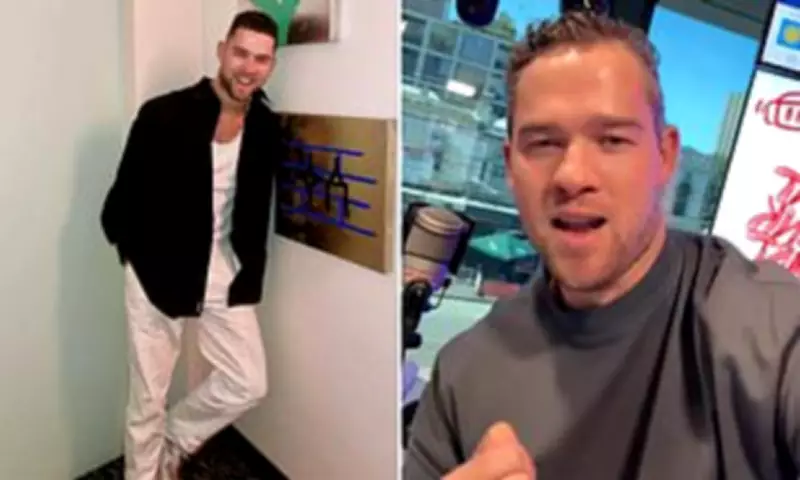
Jack Charles, host of The Chrissie Swan Show, arrived for a dinner reservation at one of his favourite Melbourne establishments, anticipating a relaxed evening. However, his expectations were swiftly dashed as he was escorted to his table. Before he could even peruse the menu or order a drink, the waiter delivered a blunt ultimatum: the table must be vacated by 7:30pm to accommodate the next booking.
'Before I could even order a drink or my butt hit the chair, the guy goes, "We need the table back by 7.30pm",' Charles recounted in a video shared online. He expressed frustration that the request was made before he had a moment to settle in, creating an immediate sense of pressure.

A Widespread Practice with Mixed Reception
Time-limited dining, typically offering 90-minute to two-hour windows, became commonplace during the Covid-19 pandemic as restaurants implemented social distancing measures. While now standard across much of Australia, the practice continues to polarise patrons. Charles acknowledged the operational necessities, stating, 'I get it's hospitality and you've got to flip the tables.' Yet, he questioned the timing of the reminder, suggesting, 'can we just wait until I've at least had a sip of my martini before trying to boot the customer out?'
The radio host noted he was already aware of the time limit from the online booking process, making the immediate verbal reminder feel redundant and intrusive. 'It puts me on edge. Why do all restaurants do this now? Just let the alcohol touch our lips first?' he lamented.
Public Reaction: A Chorus of Complaints
Charles's rant resonated deeply with many Australians, sparking a flood of similar complaints online. One individual described the practice as 'the most annoying thing ever,' recounting being asked to leave 15 minutes before their booking ended. 'Bro, plan that into your booking times. I was livid. Haven't been back,' they added.
Others criticised the impact on ambiance, with one commenter stating, 'Ugh this KILLS the vibe. Also, for all us sober humans it's completely unnecessary, there's not a chance we're going to be there two hours.' Another simply called it an 'Instant turn off.'
Operational Challenges and Customer Backlash
While many restaurants argue that two-hour limits are sufficient for most meals, customers point to inconsistent service as a major flaw. One patron shared a particularly aggravating experience: 'A place did that to me. Then moved me halfway through the meal because they were too slow. And then because they were super slow and we had a show to be at, we asked for the dessert that came as part of it to go, they forgot half of them.'
Some diners have adopted defiant responses. One woman recalled telling staff, '"oh ok, we'll leave then, clearly the 7pm booking is more important than us".' Others admitted they would simply walk out, with one stating, '"Here, have the table now. I'm out, bye".'
A Nuanced Perspective
Not all feedback was negative. Some patrons expressed appreciation for upfront communication, with one noting, 'At least they tell you at the beginning instead of right near the time and rush you out.' This highlights a potential middle ground where transparency is valued, but its delivery is crucial to maintaining a positive customer experience.
The incident underscores a broader debate within Australia's hospitality industry about balancing operational demands with customer satisfaction. As restaurants navigate post-pandemic norms, the manner in which policies like time limits are communicated may significantly influence patron loyalty and overall dining atmosphere.