While celebrities like Dua Lipa and Kylie Jenner continue to draw crowds to Mallorca's sun-drenched beaches, the island's capital city is taking a dramatically different approach to tourism. Palma is actively resisting becoming another mass tourism destination, implementing some of Spain's strictest regulations to protect its cultural heritage.
The Quiet Revolution Against Overtourism
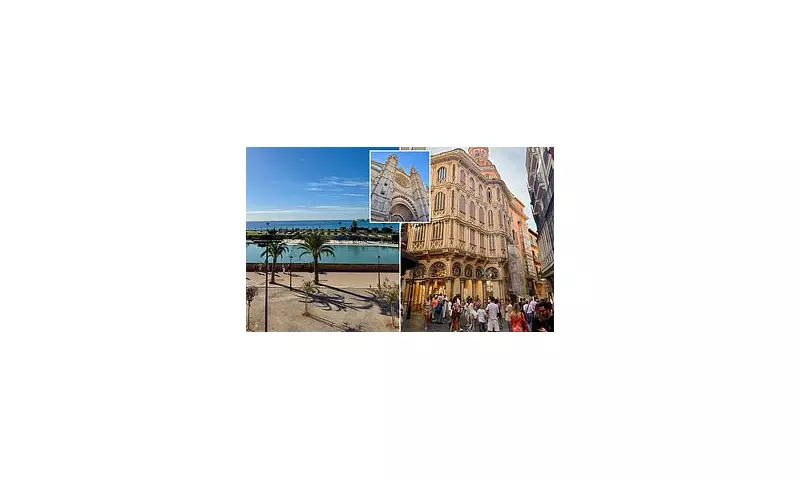
For years, Palma existed in the shadow of its flashier neighbours, serving primarily as a gateway to Magaluf's all-night parties or Deià's bohemian retreats. Yet this picturesque coastal city, home to the stunning Gothic cathedral La Seu - later enhanced by Antoni Gaudí - has recently captured attention from travellers who previously overlooked it.
Palma earned a spot on Lonely Planet's top 10 cities to visit in 2025, thanks to its beautiful seaside promenades, charming streets, world-class dining scene, and growing collection of boutique hotels. However, local authorities and residents are pushing back against the city becoming just another influencer playground or budget-party destination.

Preserving Palma's Soul Through Legislation
Palma's commitment goes beyond sentiment - it's written into law. The city has introduced a comprehensive package of measures designed to control tourism growth and preserve local quality of life.
Key regulations implemented in October include:
- A complete ban on party boats along Palma's waterfront
- Prohibition of new tourist rentals, including previously exempt single-family homes and room rentals
- Ban on new youth hostels, with existing ones encouraged to convert to hotels or long-term housing
The city has capped hotel beds at 12,000, with 97% belonging to five-star or boutique properties. Mayor Jaime Martínez framed these measures as essential to protecting 'the quality of the destination' rather than being anti-visitor.
Living Heritage in Every Shopfront
Palma's preservation ethos extends to its commercial heart. The city has designated 114 'emblematic shops' - establishments that have operated for at least 50 years and carry cultural, architectural, or historical significance.
These aren't curated tourist traps but working institutions reflecting Palma's collective memory. Among them is La Pajarita on Sant Nicolau, a beloved confectionery operating since 1872, and Jugueteria La Industrial, a traditional toy store founded in 1898 that offers classic, non-electronic toys.
The resistance to tourism's negative impacts has reached shop floor level too. Some Mallorca shop owners have banned tourists from taking photos without purchasing anything, with several establishments displaying 'no photography' signs in their windows.
Culinary Traditions and Sustainable Dining
Palma's food scene beautifully balances innovation with tradition, reflecting the city's commitment to 'slow luxury.' Visitors can experience everything from Japanese-Peruvian fusion at De Tokio a Lima to classic Mallorcan staples like ensaïmada pastries at Forn des Teatre and sobrassada sausage at local markets.
The magnificent Mercat de l'Olivar stands at the city's heart, where vendors supply residents with fresh produce and authentic ingredients daily. For deeper immersion, local chef Deborah Pina leads culinary tours exploring Palma's traditional flavours at Forn de sa Llotgeta.
Local Backlash Drives Change
These measures follow significant local protests. In July, tens of thousands of residents marched through Palma carrying signs reading 'Your luxury, our misery' and blocking roads to protest rising rents, overcrowding, and cruise-ship congestion.
The tension stems from overwhelming numbers - Spain recorded a historic tourism boom last year, with more than 15 million visitors to Mallorca alone. The Balearic Islands even stopped commissioning influencers to promote scenic locations after the campaign backfired.
Palma's approach represents a growing trend across Spanish tourism hotspots. The city welcomes visitors but on its own terms - seeking those with genuine interest in its culture rather than those seeking just another Mediterranean backdrop for social media content.