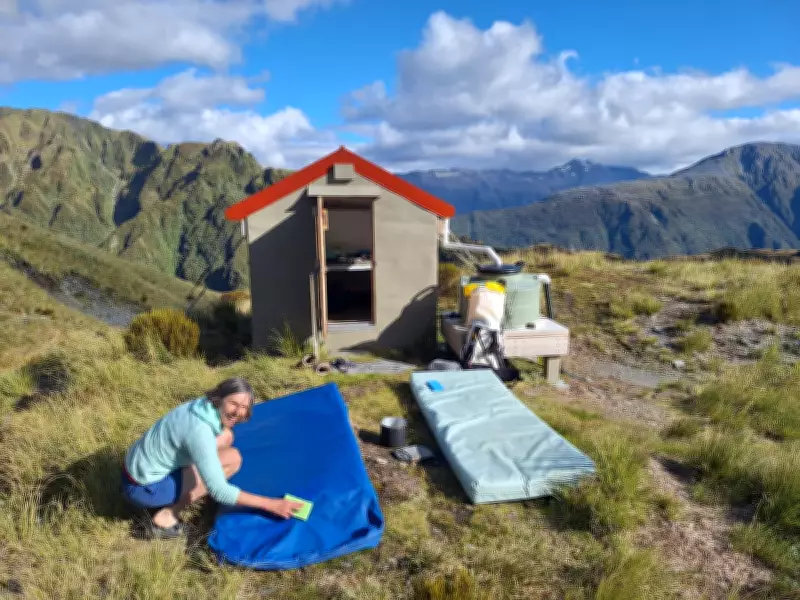
New Zealand's Remote Hiking Huts Undergo Major Clean-Up Operation
In a significant move to preserve its natural heritage and support outdoor tourism, New Zealand has initiated a comprehensive clean-up operation for its remote hiking huts. These structures, scattered across some of the country's most iconic and challenging trails, are essential for the safety and comfort of hikers exploring rugged terrains. The initiative aims to address maintenance backlogs and enhance the sustainability of these vital facilities, ensuring they remain accessible and functional for future generations of adventurers.
Enhancing Safety and Sustainability on Iconic Trails
The clean-up effort focuses on huts located in remote areas, such as those along the famous Milford Track and other lesser-known paths. These huts often face issues like wear and tear from harsh weather conditions, litter accumulation, and general neglect due to their isolated locations. By systematically cleaning and repairing these structures, authorities hope to improve safety standards, reduce environmental impact, and promote responsible tourism practices. This proactive approach is seen as crucial for maintaining New Zealand's reputation as a premier destination for hiking and outdoor activities.
Community and Environmental Benefits
Beyond the immediate benefits for hikers, the clean-up operation is expected to yield positive outcomes for local communities and the environment. Regular maintenance helps prevent damage to surrounding ecosystems, such as soil erosion and pollution from waste. Additionally, it supports local economies by ensuring that trails remain attractive to both domestic and international tourists, thereby boosting related businesses like guided tours and equipment rentals. The initiative also encourages volunteer involvement, fostering a sense of stewardship among residents and visitors alike.

Challenges and Future Plans
Despite the enthusiasm for this project, challenges remain, including logistical hurdles in accessing remote sites and securing ongoing funding for maintenance. However, plans are in place to implement more robust monitoring systems and partnerships with conservation groups to ensure long-term sustainability. As New Zealand continues to prioritise its natural landscapes, this clean-up operation serves as a model for balancing tourism growth with environmental preservation, setting a precedent for other nations with similar outdoor assets.