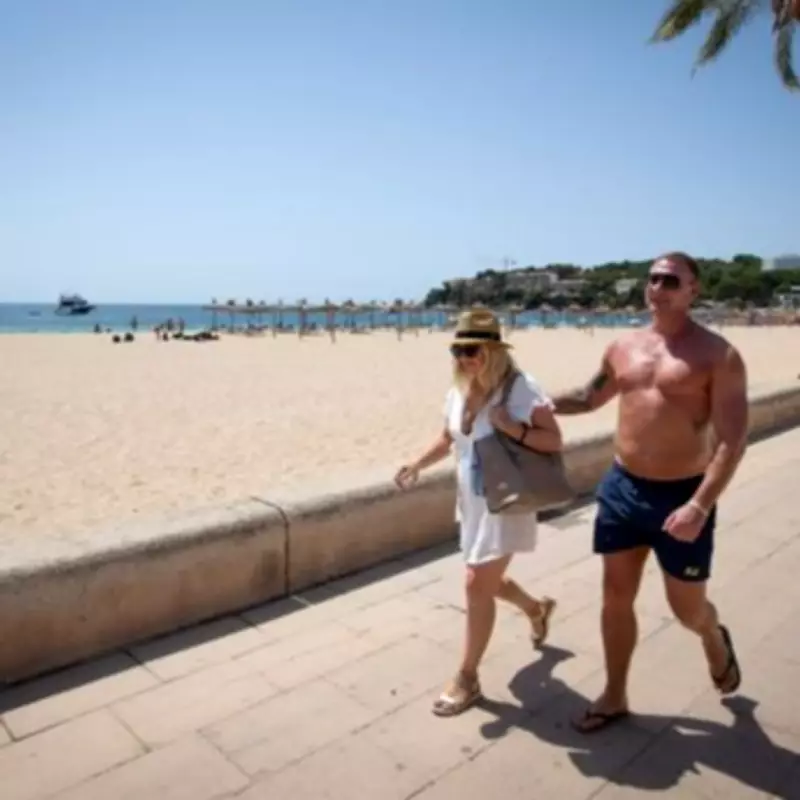
Concerns about dwindling clubber numbers in Majorca have escalated, with hospitality bosses warning that bars, restaurants, and nightclubs across the Balearic Islands are cutting opening hours and shortening the peak season to cope with falling revenues.
Revenue Decline and Cost-Cutting Measures
Miguel Pérez-Marsá, president of the ABONE nightlife association, told the Majorca Daily Bulletin that revenues in 2026 are expected to be lower than in 2025 as both tourists and locals spend less. To keep operating costs down, clubs are limiting opening times, focusing on weekends, and reducing weekday hours. The peak season is now restricted to June 20 through August 20.
"We were already coming off a slow year, and now the forecast is for even lower attendance and, consequently, lower revenue," Pérez-Marsá said. He added that clubs are keeping prices low to attract customers, mindful of soaring flight and accommodation costs this summer.

Anti-Tourism Protests and German Visitor Decline
The downturn follows years of anti-tourism protests in Majorca. In May 2024, images of empty beaches and unoccupied tables went viral, and demonstrators marched in Palma demanding action on housing and overcrowding. Bar owners now worry that "the wishes of anti-tourism protesters have been granted."
German visitor numbers, traditionally the largest tourist group in Majorca, fell by over 8% in July 2025 compared to the previous year. Pedro Oliver, chair of the Balearic Tourist Guides Association, attributed the drop to the protests, noting that tourists frequently ask if they are still welcome. However, Alvaro Blanco of Spain's Tourism Office in Berlin suggested that extreme summer heat due to global heating is deterring visitors.
Overall Visitor Numbers Still Rising
Despite these challenges, overall tourism to the Balearic Islands remains strong. By July 2025, nearly 11 million people had visited the archipelago—a slight increase year-on-year. Tourism accounts for 45% of the islands' revenue, making the sector's health critical to the local economy.