Kate Ferdinand's Dubai Regret Sparks British Expat Exodus Back to UK
Kate Ferdinand's Dubai Regret Sparks British Expat Exodus

Kate Ferdinand's Emotional Dubai Struggle Highlights British Expat Exodus

Kate Ferdinand, wife of former England footballer Rio Ferdinand, has publicly expressed deep regrets about her family's relocation to Dubai, breaking down in tears during an episode of her Blended podcast. Her emotional admission coincides with a significant reverse migration of British expatriates choosing to return to the United Kingdom, driven by heartfelt social media testimonials and rising discontent.

The Allure and Disillusionment of Dubai Life

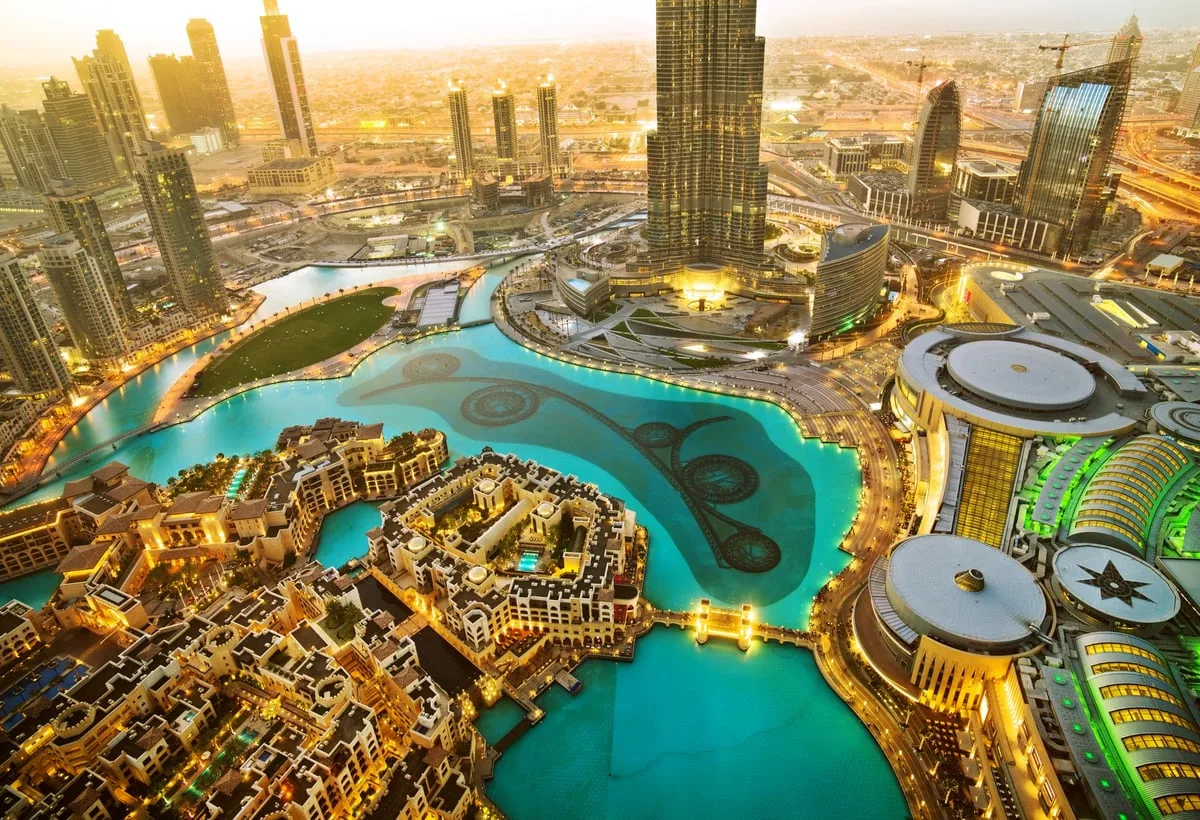
Dubai, home to approximately 240,000 UK expats and 5,000 British firms, has long magnetised Britons with its promise of tax-free earnings, year-round sunshine, and luxurious amenities. The Ferdinand family, including Rio, Kate, and their children, moved to the Emirates last August, with Rio enthusiastically embracing the lifestyle and criticising the UK tax system. However, Kate's experience has been markedly different, revealing a poignant personal cost.

"I feel like we've opened our eyes to a different world," Kate confessed. "But I love London, I love the UK. I do feel happy in Dubai, but I'm just missing a part of me." Her struggle centres on being separated from Rio's two eldest sons, Lorenz, 19, and Tate, 17, who remained in the UK to pursue football careers. "We've always been together and that's a huge adjustment," she added, describing Dubai as "amazing" yet emotionally challenging.

TikTok Trends and Expat Testimonials Fuel Return Movement

This personal narrative resonates with a broader trend documented across social media platforms like TikTok, where hashtags and videos urge expats to leave Dubai. Charlie Smith, a TikTok user with 2,000 followers, posted a viral video declaring, "I'm leaving Dubai, I'm coming back to the UK and thank the Lord I'm leaving." He characterised the city as "so soulless, so fake," noting that while visually stunning, it felt "empty" and emotionally barren.

In a follow-up clip after returning, Smith reflected, "Money isn't the be-all-and-end-all. I just want to be around my family and friends and good people." He highlighted the isolation of enduring two-hour daily commutes and living alone in an apartment, which he said "got pretty dark at times."

Another influencer, Harleigh Reid, presenter of the Sonder & Salt podcast, detailed her return to Essex after finding professional opportunities in Dubai leading to a "dead end." She cited relentless construction noise, early morning disturbances, and concerns over free speech limitations. "It's not that you can't say anything," Reid explained, "but they kind of remind you so often that people don't say anything out of fear."

Economic Pressures and Soaring Costs

Beyond emotional factors, economic realities are compelling many to reconsider. According to estate agents Knight Frank, property prices in Dubai have skyrocketed by 124% since 2020, partly due to wealthy Russian investors entering the market post-Ukraine invasion. Mercer's 2024 ranking now places Dubai as the world's 15th most expensive city, surpassing Tel Aviv, Miami, and Paris, with a 21% jump in house prices contributing to the highest cost of living in the Middle East.

While London remains pricier at 8th position, Dubai's expenses are biting hard. A comparative analysis reveals that while a three-course meal for two costs £57 in Dubai versus £80 in London, essentials like internet access are significantly dearer, at £80.97 monthly compared to £31.53 in the UK. Imported beer is also double the price, averaging £10.93 against London's £5.25.

Contrasting Perspectives: The Boomerang Expats

Not all experiences are negative. Private aircraft engineer Ross Houston, a British expat in Dubai for 11 years, praised the city's low crime rates, zero income tax, and "first class" medical care. He acknowledged the difficulty of leaving family but argued, "Given time I’m sure they will settle and be much happier here. It’s only a six-hour flight away."

Similarly, relocation consultant Kate Cross, who returned to Dubai in 2021 after a stint back in Britain, plans to stay permanently, citing financial benefits, shorter flights to exotic destinations, and a vibrant multicultural environment. "Emotionally the biggest negative is missing those back in England," she admitted, but maintains regular contact and visits.

Safety Versus Soul-Searching

Kate Ferdinand noted that her family feels safer in Dubai than in the UK, a sentiment echoed by others like Olympic boxer Amir Khan, who relocated after a gunpoint robbery in Britain. However, she paradoxically misses the English weather, culture, and diverse social interactions. "If I could merge the two worlds together it would be absolutely perfect," she mused.

This dichotomy underscores the complex decision-making for expatriates. While Dubai offers tangible advantages like security and tax benefits, the intangible losses—family connections, cultural familiarity, and emotional fulfilment—are driving a quiet but growing exodus back to British shores.