Italy's Cultural Renaissance Embraces Accessibility for Disabled Visitors
For centuries, Italy's magnificent art-filled cities have captivated millions of tourists, yet they have often presented formidable barriers for visitors with visual impairments, mobility challenges, and other disabilities. The very nature of millennia-old artworks and historic structures has frequently made them inaccessible to touch or navigation. Wheelchair users have encountered narrow doorways, absent ramps, and uneven pavements that restrict their experience of these cultural treasures.
EU Recovery Funds Catalyse Nationwide Accessibility Drive
In 2021, as a specific condition for receiving European Union pandemic recovery funding, Italy significantly accelerated its national accessibility initiatives. This commitment has directed substantial attention and resources toward systematically removing architectural barriers and transforming tourist attractions, museums, and sporting venues across the country. The initiative represents a profound shift toward inclusive cultural participation.
Pompeii Leads with Innovative Sensory Systems
The vast archaeological site at Pompeii serves as a flagship example of this new approach. Authorities have implemented a comprehensive new system of signage and guidance specifically designed for blind and disabled visitors. This pioneering project incorporates braille signs, QR-coded audio guides, detailed tactile models, and bas-relief replicas of artifacts unearthed over years of excavation, allowing for a multi-sensory exploration of history.

Florence and Rome Develop Detailed Access Guides
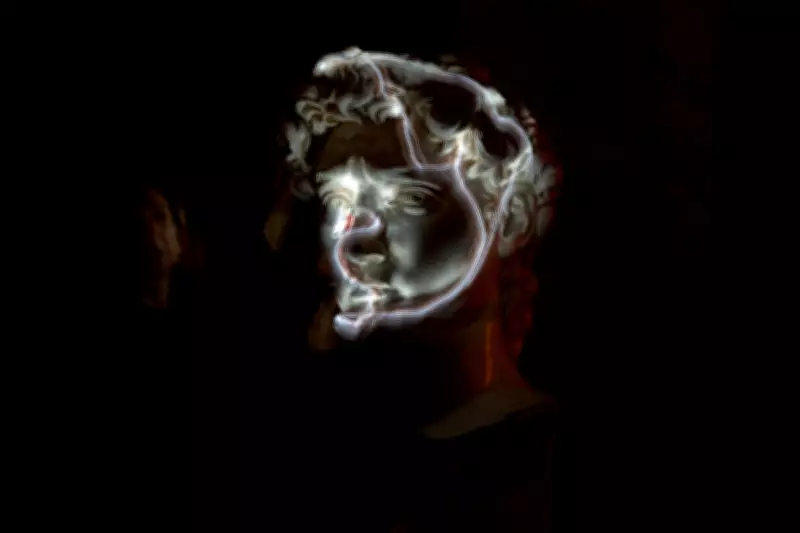
Meanwhile, the city of Florence has produced extensive accessibility guides for the renowned Uffizi Gallery and its other major museums. These guides provide meticulous information on accessible routes, specific requirements, and necessary companion arrangements for sites like the historic Boboli Gardens, where ancient structures present inherent accessibility challenges. In Rome and other cultural hubs, innovative projects now offer tactile visits to ancient monuments, enabling blind individuals to physically engage with exhibits traditionally reserved for visual observation alone.
The Compelling Case for Inclusive Tourism
Developing an inclusive tourism model extends beyond recognizing the fundamental human rights of people with disabilities; it also presents a powerful economic rationale. According to data from the World Tourism Organization, nearly half of the global population over sixty lives with a disability. Furthermore, disabled travelers frequently travel with two or more companions, significantly amplifying their economic impact on local economies. Italy's accessibility drive, therefore, represents both a moral imperative and a strategic investment in sustainable tourism.