Great Yarmouth Pleasure Beach Claims Sole UK Scenic Wooden Railway Rollercoaster
In a significant development for British amusement parks, Great Yarmouth Pleasure Beach in Norfolk has emerged as the exclusive home of the United Kingdom's only remaining scenic wooden railway rollercoaster. This unique status was conferred following the recent retirement of Dreamland Margate's scenic railway, which had operated since 1920 and was previously regarded as the nation's oldest rollercoaster.
A Century-Old Attraction with Enduring Appeal
The scenic railway at Great Yarmouth, which first opened to the public in 1932, stands as a cherished relic of early 20th-century entertainment. Originally constructed in France several years prior to its installation on the Norfolk coast, this grade-II listed structure has weathered numerous challenges, including fires and collapses, yet retains much of its original 1930s configuration. Jamie Jones, the fourth-generation executive director of the family-run park, expressed immense pride in this distinction, describing it as a "great honour" to preserve such a historic ride.
Jones highlighted the rollercoaster's enduring popularity, noting it remains the park's "most popular attraction by far on site." He shared anecdotes of multigenerational visits, with grandparents recounting their own childhood experiences to younger family members, underscoring the ride's role in fostering cherished memories and a rich historical legacy.

Technical Marvels and Cultural Significance
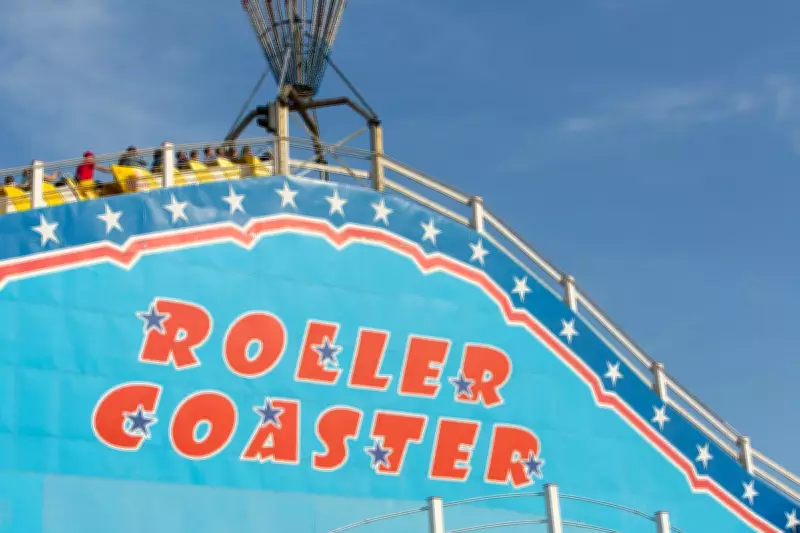
This wooden rollercoaster operates on a gravity-driven system, featuring a single ascent before the train coasts back to the station without track brakes, relying instead on a seated operator controlling brakes at the rear of the first carriage. Its iconic lattice structure and nostalgic ambiance have cemented its place in popular culture, notably appearing in Madness's music video for "House of Fun."
Michelle Hicks, co-owner and executive producer at Firefly Creations, a consultancy specializing in theme park attractions, elaborated on the scenic railway's cultural impact. "They're such iconic structures," she remarked, linking them to boardwalks and holiday memories that evoke a profound sense of nostalgia. Hicks emphasized that these rides represent the foundational era of the rollercoaster industry, making their continued operation a rare and special feat.
Future Prospects and Maintenance Efforts
With the closure of Margate's version, Jones anticipates increased visitor numbers to Great Yarmouth, hoping the unique offering will attract thrill-seekers from across the UK and beyond. He noted that enthusiasts already travel extensively to experience this one-of-a-kind ride, and the park maintains a dedicated team to replace tracks and ensure its optimal condition. "It certainly entices people to come and ride something that no other park has got to offer," Jones added, expressing curiosity about the potential boost to footfall on other attractions.
Scenic railways, which gained popularity in the late 19th and early 20th centuries with the first built in Atlantic City in 1887, continue to captivate imaginations. Hicks concluded that the Great Yarmouth ride's operational status is "really quite special and unique," celebrating its historical significance and enduring appeal in an era dominated by modern steel coasters.