71 Countries on UK 'Do Not Travel' List: Full FCDO Warning Guide
Full UK Foreign Office 'Do Not Travel' List for 2025

British holidaymakers are being urged to consult the latest Foreign Office warnings before finalising any trips abroad, with a significant number of destinations currently deemed unsafe for travel.

Understanding the FCDO's Travel Warnings

The Foreign, Commonwealth & Development Office (FCDO) issues critical guidance for UK nationals planning journeys overseas. These advisories are based on a continual assessment of risks, ranging from political instability and armed conflict to terrorism and sudden health crises. For British travellers, heeding this advice is not merely a suggestion but a crucial step for personal safety and financial protection.

The FCDO maintains travel advice pages for 226 global destinations. As of December 2025, it has flagged 71 countries or territories with areas where travel is actively discouraged. The warnings fall into two main categories: advice against "all travel," and advice against "all but essential travel." The distinction is vital for anyone considering a visit.

Countries Where All Travel is Advised Against

The most severe warning applies to entire nations where the FCDO believes the risks are unacceptably high for any visitor. The current list includes several countries experiencing prolonged conflict or severe political tensions.

The FCDO advises against all travel to the following countries:

  • Afghanistan due to a volatile security situation.
  • Belarus, where British nationals face a significant risk of arrest.
  • Burkina Faso because of the threat of terrorist attacks and kidnappings.
  • Iran, where British nationals are at significant risk of detention.
  • Mali due to unpredictable security conditions.
  • Russia owing to risks from its ongoing invasion of Ukraine.
  • Syria because of ongoing conflict.
  • Yemen due to unpredictable security conditions.
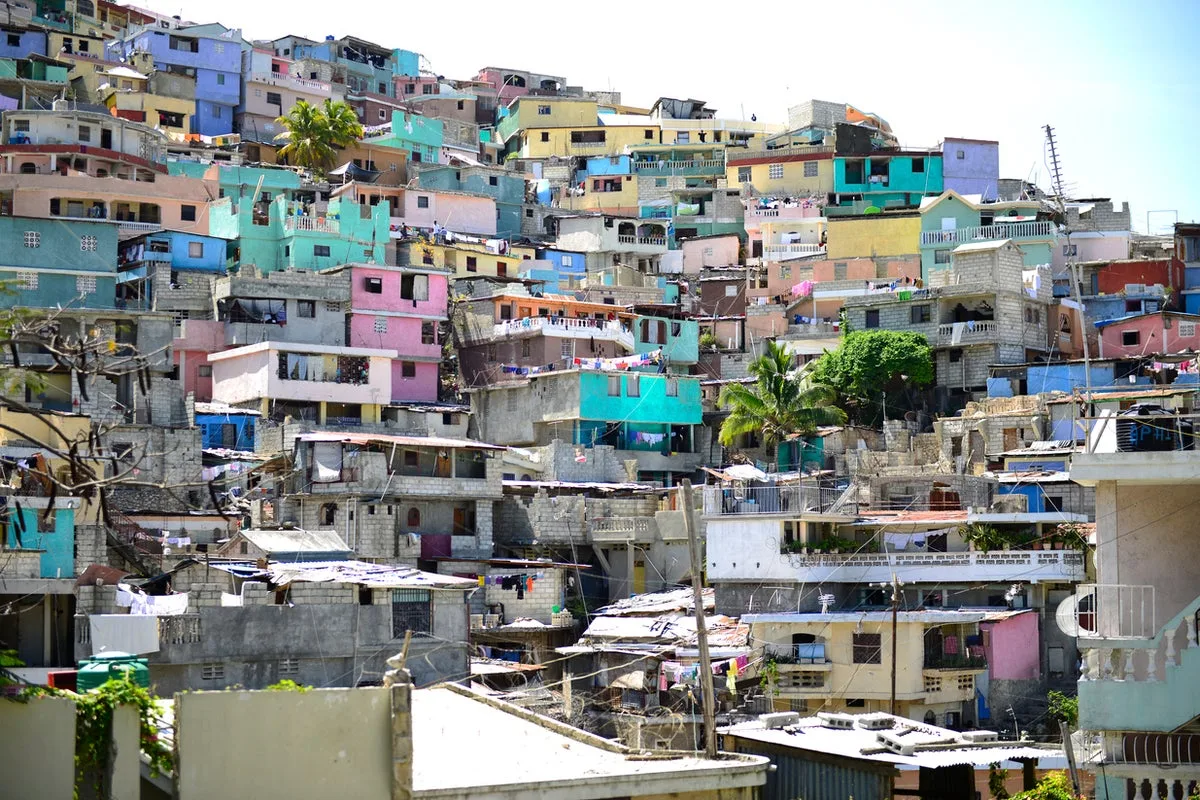
  • Also included are Haiti, Niger, and South Sudan.

High-Risk Regions and 'Essential Travel' Only

Beyond full-country bans, the FCDO identifies specific regions within otherwise accessible countries as no-go zones. These areas are often border regions or provinces with elevated instability. Notable examples include within 30km of the Algeria-Libya border, parts of northern Cameroon, and the Cabo Delgado province in Mozambique.

A separate warning advises against "all but essential travel" to specific places. The FCDO clarifies that defining 'essential travel' is a personal decision based on urgent family or business commitments. The only destination currently under this blanket advisory is North Korea, where the security situation "can change quickly with no advance warning."

Regions where only essential travel is advised include the Chapare region in Bolivia, parts of northern Colombia, and several states in Mexico, including Guerrero and Michoacán.

The Critical Consequences of Ignoring Advice

Disregarding FCDO travel warnings carries serious practical and legal ramifications. The most immediate impact is on travel insurance, which will almost certainly be invalidated if you travel to a destination against official advice. This means you would be personally liable for any medical costs, repatriation expenses, or other losses.

Furthermore, the ability of British consular staff to provide assistance in an emergency in these high-risk areas is extremely limited and may be impossible. The FCDO emphasises that its capacity to offer help where it advises against travel is severely constrained.

Experts recommend that checking the FCDO travel advice should be as routine as validating your passport and insurance before any international trip. With the global landscape constantly shifting, the list of restricted destinations is regularly updated, making it essential to consult the official FCDO website in the days immediately before departure.